Navigating the Digital Wave: Unpacking the Latest Technology Trends of 2026
In a world where innovation accelerates at breakneck speed, staying ahead of the curve is no longer a luxury—it's a necessity. As 2026 unfolds, the technology landscape is being reshaped by breakthroughs in artificial intelligence (AI), quantum computing, and decentralized finance (DeFi), while 5G and edge computing continue to drive connectivity and real‑time data processing. This article delves into the most compelling news and trends shaping the tech industry this year, offering a unique perspective that blends market dynamics, regulatory shifts, and emerging use‑cases.
1. AI & Machine Learning: From Narrow to General Intelligence
Artificial intelligence has transitioned from niche applications to mainstream integration across industries. According to a recent analysis of 2026 trends, generative AI models are now capable of producing high‑fidelity content, powering autonomous decision‑making in finance, and even composing music and visual art with minimal human input. The convergence of large language models (LLMs) and multimodal learning is enabling cross‑disciplinary solutions, such as AI‑driven drug discovery and real‑time language translation in augmented reality (AR) glasses.
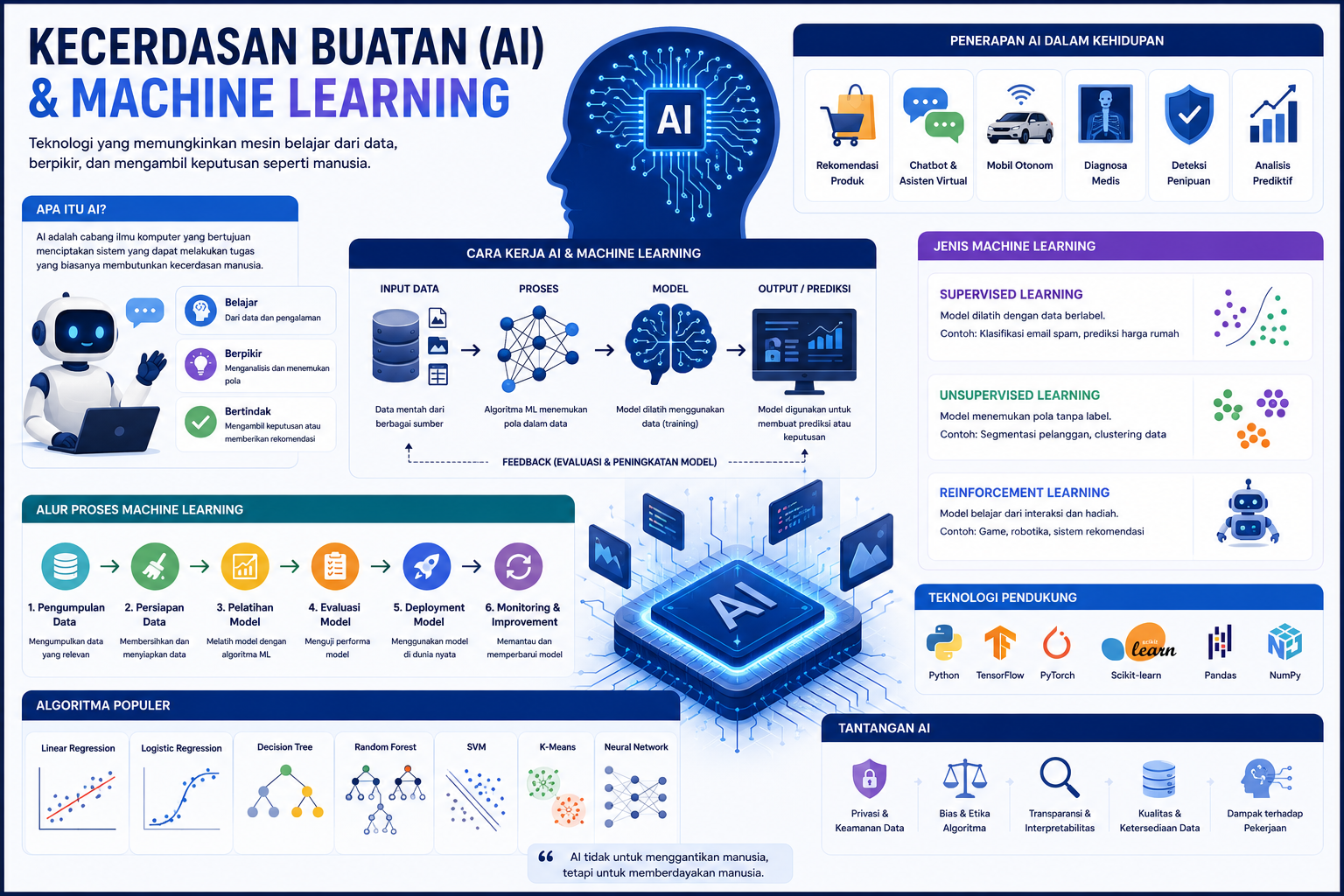
One of the most notable developments is the rise of AI ethics frameworks that aim to mitigate bias, ensure transparency, and enforce accountability. Governments in the EU and the United States have introduced regulatory proposals that require companies to conduct algorithmic impact assessments before deploying AI in high‑stakes domains such as healthcare and criminal justice. These policies are fostering a new era of trustworthy AI, where stakeholders can rely on model decisions with confidence.
AI in Everyday Life
- Personal Assistants now anticipate user needs by analyzing context across devices, enabling seamless multi‑platform experiences.
- Healthcare benefits from AI diagnostics that can interpret medical imaging with accuracy comparable to seasoned radiologists.
- In smart cities, AI optimizes traffic flow, energy consumption, and emergency response times.
As AI continues to mature, the industry is witnessing a shift from “tool” to “partner,” where intelligent systems collaborate with humans to solve complex problems. This partnership model is redefining job roles and requiring a new skill set focused on AI literacy rather than just technical proficiency.
2. 5G, Edge Computing, and the Internet of Everything
5G’s global rollout is now more than a hype; it’s a foundational layer for the Internet of Everything (IoE). The technology’s low latency and high bandwidth enable real‑time applications in autonomous vehicles, industrial automation, and remote surgery. Edge computing complements 5G by processing data closer to the source, reducing the need for costly cloud infrastructure and mitigating privacy concerns.
In 2026, the convergence of 5G and edge is accelerating the adoption of industrial 4.0 practices. Manufacturers are deploying sensor‑rich factories where machines self‑diagnose and perform predictive maintenance, leading to a 30% reduction in downtime. Meanwhile, consumer devices such as smart refrigerators and wearable health monitors are becoming more connected, creating a richer data ecosystem for personalized services.
Challenges and Opportunities
- Security: The proliferation of connected devices expands the attack surface, making robust cybersecurity protocols essential.
- Infrastructure: Building the necessary 5G towers and edge data centers requires significant capital investment and regulatory support.
- Interoperability: Standards bodies are working to ensure that devices from different vendors can communicate seamlessly.
Despite these challenges, the potential for transformative impact is immense. From real‑time supply chain visibility to immersive AR experiences, 5G is setting the stage for a more interconnected world.
3. Blockchain and Decentralized Finance (DeFi)
Blockchain technology has evolved beyond cryptocurrency to become a backbone for trustless transactions, digital identity, and supply chain transparency. In 2026, the DeFi ecosystem has matured, with institutional investors allocating billions to liquidity pools and smart contract platforms. The rise of central bank digital currencies (CBDCs) is further legitimizing blockchain as a core component of national monetary systems.
Key trends include:
- Layer 2 Scaling: Solutions like rollups and sidechains reduce transaction fees and increase throughput, making blockchain more viable for everyday use.
- Interoperability Protocols: Cross‑chain bridges enable assets to move seamlessly between networks, fostering a more integrated digital economy.
- Regulatory Clarity: Governments are crafting frameworks that balance innovation with consumer protection, reducing the risk of fraud and market manipulation.
Beyond finance, blockchain is gaining traction in areas such as digital rights management, voting systems, and healthcare data exchange, showcasing its versatility as a decentralized trust layer.
4. Quantum Computing: From Theory to Practical Applications
Quantum computing, once a theoretical concept, is now entering a practical phase. Companies like IBM, Google, and D-Wave are offering cloud‑based quantum processors that researchers and developers can experiment with. The most significant breakthroughs this year involve quantum‑enhanced machine learning and cryptography.
Quantum algorithms are accelerating data analysis in fields such as drug discovery, where they can simulate molecular interactions at unprecedented speeds. Meanwhile, post‑quantum cryptography (PQC) is being integrated into security protocols to safeguard against future quantum attacks.
Although still in its infancy, the quantum era is poised to redefine computational boundaries, pushing industries to rethink legacy systems and invest in quantum‑ready infrastructure.
5. Sustainable Tech: Green Computing and Circular Design
As the environmental impact of technology becomes a pressing concern, sustainability is emerging as a core driver of innovation. Green computing initiatives focus on reducing energy consumption in data centers through advanced cooling techniques, renewable energy sourcing, and AI‑optimized workload distribution.
Moreover, the circular design movement is encouraging manufacturers to create products that are easier to repair, upgrade, and recycle. Companies like Apple and Samsung are expanding their trade‑in programs, while open‑source hardware platforms are enabling community-driven refurbishing.
Case Study: The Carbon‑Neutral Cloud
Google’s 2026 commitment to carbon neutrality by 2030 has spurred the adoption of machine‑learning‑driven energy management across its data centers. By predicting workload patterns, the system can shift processing to times when renewable energy is abundant, reducing the carbon footprint by up to 25%.
6. The Human Element: Upskilling for the Digital Future
Technological advancement is not a zero‑sum game. As new tools and platforms emerge, the workforce must adapt. Upskilling initiatives focusing on AI, cybersecurity, and data science are gaining traction, with many universities incorporating hands‑on projects with industry partners.
Organizations are also embracing remote and hybrid work models, which require robust digital collaboration tools and a culture of continuous learning. The intersection of technology and human capital is becoming a critical determinant of organizational resilience.
Conclusion: A Landscape of Possibilities and Responsibilities
The technology trends of 2026 paint a picture of a world where AI, 5G, blockchain, quantum computing, and sustainability converge to create unprecedented opportunities. However, with great power comes great responsibility. Ethical frameworks, regulatory clarity, and a focus on human-centric design will be essential to harness these innovations for societal benefit.
For a deeper dive into how these trends will shape the future, explore our comprehensive overview of the future of technology in 2026 and stay updated with the latest breaking tech news.
As we navigate this digital wave, staying informed, adaptable, and ethically grounded will ensure that we not only keep pace with technological evolution but also steer it toward a more inclusive and sustainable future.