Beyond the Screen: Unraveling the Invisible Forces Shaping Tomorrow's Tech Landscape
In a world saturated with digital noise, discerning genuine technological shifts from fleeting fads has become an art form. While headlines often trumpet the latest gadget or software update, the true revolution in technology unfolds in the unseen architectures, the ethical dilemmas, and the foundational paradigm shifts that silently redefine our future. To genuinely grasp the latest trends and news in technology, we must look beyond the surface, delving into the underlying currents that are reshaping industries, societies, and even human potential. This article aims to explore these invisible forces, offering a unique perspective on the dynamic landscape of modern technology.
The Evolving DNA of Artificial Intelligence: Beyond Generative Hype
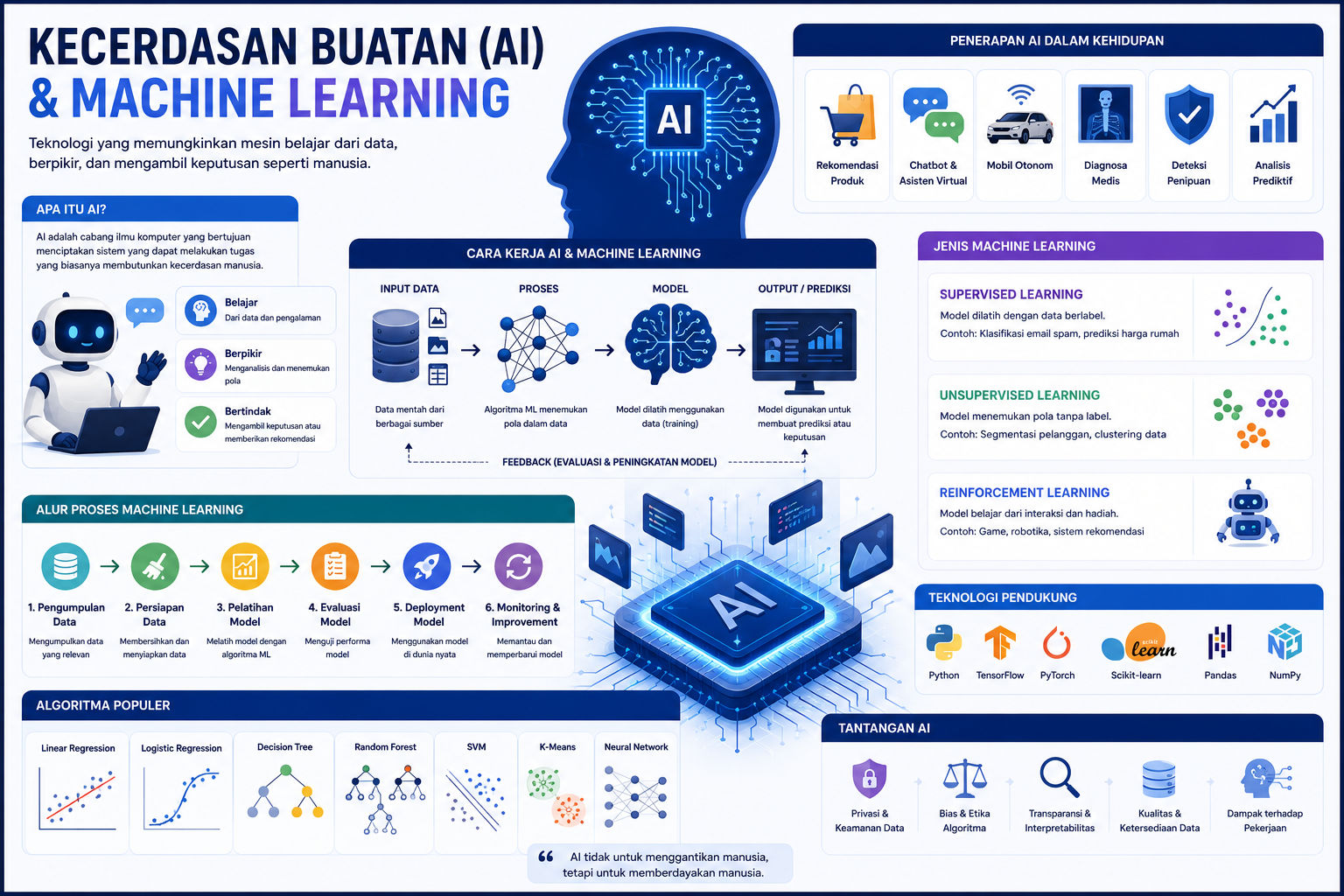
Artificial Intelligence (AI) continues to dominate headlines, primarily driven by the astonishing capabilities of generative AI models. However, the deeper, more profound trend lies in the ongoing evolution of AI's very DNA. It's no longer just about creating compelling content or optimizing algorithms; it's about embedding intelligence with a conscience, navigating complex ethical terrains, and fostering transparency.
One critical invisible force here is the push for explainable AI (XAI). As AI systems become more autonomous and make decisions with real-world consequences – from medical diagnoses to loan approvals – the demand for understanding "why" an AI made a particular choice is escalating. This shift from black-box models to interpretable AI is fundamental for building trust, ensuring accountability, and complying with emerging regulations like the EU's AI Act. XAI isn't just a technical challenge; it's a societal imperative, ensuring that powerful AI doesn't operate beyond human comprehension or oversight.
Another crucial trend is the dedicated focus on AI safety and alignment. The hypothetical risks of superintelligent AI, once confined to science fiction, are now serious considerations within leading research labs. This involves developing mechanisms to ensure AI systems operate within intended boundaries, don't generate harmful outputs, and prioritize human values. This invisible architecture of safety protocols, ethical guidelines, and robust testing frameworks is quietly becoming as important as the algorithms themselves.
Furthermore, AI is increasingly merging with other critical domains like materials science and drug discovery. AI-driven simulations can predict the properties of novel compounds, accelerating the development of new drugs and sustainable materials. This application of AI, often operating behind the scenes in vast research databases, represents an unseen engine of scientific progress, potentially leading to breakthroughs that address some of humanity's most pressing challenges.
The geopolitical dimension of AI also forms an invisible force. Nations are locked in a silent race for AI supremacy, recognizing its implications for economic power, national security, and global influence. This competition drives massive investments in research, talent acquisition, and infrastructure, shaping the trajectory of AI development in ways that are often opaque to the public but profoundly impactful.
The Quantum Undercurrent: Reshaping Computation and Security
While still in its nascent stages, quantum computing casts a long, powerful shadow over the future of technology. It's an invisible force not because it's hidden, but because its principles defy classical intuition, and its full implications are yet to be realized. Unlike classical computers that store information as bits (0s or 1s), quantum computers use qubits, which can exist in multiple states simultaneously (superposition) and be interconnected (entanglement). This allows them to perform certain calculations exponentially faster than even the most powerful supercomputers.
The immediate invisible impact of quantum computing is on cryptography. Many of the encryption standards that secure our digital lives – from online banking to classified communications – rely on mathematical problems that are computationally infeasible for classical computers to solve. However, a sufficiently powerful quantum computer could break these encryptions, necessitating a global transition to post-quantum cryptography. This urgent, behind-the-scenes race to develop and standardize quantum-resistant algorithms is one of the most critical, yet largely invisible, cybersecurity initiatives underway.
Beyond breaking existing encryption, quantum computing promises to unlock unprecedented capabilities in various fields. In materials science, it could simulate molecular interactions with extreme precision, leading to the design of entirely new materials with tailor-made properties, such as superconductors at room temperature or highly efficient catalysts. In finance, quantum algorithms could optimize complex portfolios, analyze market dynamics with greater accuracy, and detect fraud more effectively. In drug discovery, it could model molecular structures to develop new drugs and treatments much faster.
The challenges, however, are immense. Building stable, error-corrected quantum computers remains a monumental engineering feat. The "quantum winter" – a period of reduced investment due to unmet expectations – is a constant fear. Yet, the persistent, incremental breakthroughs in quantum research, often celebrated only within niche scientific communities, represent an underlying force that will eventually disrupt every computational paradigm we know.
Neurotechnology and the Blurring Lines of Human Experience
Perhaps the most intimate of the invisible forces at play is neurotechnology – the convergence of neuroscience and engineering to create devices that interact directly with the human brain. Brain-Computer Interfaces (BCIs), once a staple of science fiction, are rapidly transitioning into therapeutic and even consumer applications, raising profound questions about human identity, autonomy, and ethics.
Medically, BCIs are already transforming lives. They enable individuals with severe paralysis to control prosthetic limbs or communicate through thought. Advanced research is exploring BCIs for treating neurological disorders like Parkinson's, epilepsy, and even mental health conditions. These therapeutic applications are the visible tip of an invisible iceberg of research into understanding and modulating brain activity.
However, the invisible ethical and societal implications are vast. As BCIs move from therapeutic to augmentation applications – enhancing memory, focus, or even enabling telepathic communication – the lines between human and machine, natural and artificial, begin to blur. Questions arise about data privacy (who owns your thoughts?), security (can a BCI be hacked?), and equity (who has access to cognitive enhancements?). The development of "neural codes of conduct" and robust ethical frameworks is an invisible but critical companion to technological progress in this field.
Furthermore, neurotechnology challenges our understanding of consciousness and self. If our thoughts can be externally influenced or recorded, what does that mean for individual sovereignty? These philosophical ponderings, once academic, are becoming practical considerations for engineers and policymakers, representing a profound, yet often overlooked, undercurrent in the tech world.
Decentralization and the Quest for Digital Sovereignty
Beyond the volatile world of cryptocurrencies, the principles of decentralization are fostering an invisible revolution in how we interact with digital services and manage our data. This movement, often encapsulated by the vision of Web3, is fundamentally about shifting power from centralized entities back to individual users and communities.
The core invisible force here is the architectural shift from client-server models to peer-to-peer networks and blockchain-based systems. This enables trustless environments where intermediaries are minimized, and data ownership is verifiable. Decentralized Autonomous Organizations (DAOs), for instance, allow communities to govern themselves through smart contracts, moving beyond traditional corporate hierarchies. While many DAOs are still experimental, their underlying philosophy of collective ownership and transparent governance represents a significant departure from established internet models.
Digital identity is another area profoundly affected. Instead of relying on monolithic identity providers (like Google or Facebook logins), decentralized identity solutions aim to give individuals sovereign control over their personal data. Users could selectively reveal attested credentials without exposing their entire identity, enhancing privacy and security. This invisible infrastructure of verifiable credentials and self-sovereign identities is slowly building the foundations for a more user-centric internet.
Furthermore, the decentralization movement fuels a broader quest for digital sovereignty – the ability for individuals and nations to control their digital destinies without undue influence from foreign powers or dominant tech giants. This includes advocating for open-source alternatives, distributed data storage, and resilient internet infrastructure. The drive for digital self-determination, though often simmering beneath the surface of daily tech news, is a potent force shaping policy, investment, and innovation.
Sustainability as a Core Design Principle
The escalating climate crisis has forced technology to confront its environmental footprint. What was once an afterthought is now rapidly becoming an invisible, yet mandatory, design principle: sustainability. This force manifests in several ways, moving beyond corporate social responsibility statements to deeply embedded technological innovations.
One aspect is the drive for energy efficiency in data centers. The massive computational demands of AI, cloud computing, and blockchain consume vast amounts of energy. Innovations in cooling technologies, renewable energy integration, and more efficient chip architectures are invisible but critical efforts to mitigate this impact. The shift towards "green computing" is not just about cost savings but about reducing technology's carbon burden.
Another invisible trend is the application of technology to solve environmental problems. AI-powered climate modeling offers more accurate predictions for extreme weather events and climate change trajectories. IoT sensors monitor deforestation, water quality, and biodiversity in real-time. Precision agriculture, powered by drones and AI, optimizes resource use and minimizes waste. These technologies, often deployed in remote or specialized environments, are the unseen soldiers in the fight against environmental degradation.
The circular economy principles are also slowly integrating into hardware design. Manufacturers are exploring modular designs, easier repairability, and responsible recycling programs to reduce electronic waste. This requires an invisible overhaul of supply chains, materials science, and consumer attitudes, pushing towards a future where technology is not just powerful but also perpetually regenerative.
Cybersecurity's Ever-Expanding Frontier
As the world becomes more interconnected, the invisible threat of cyberattacks grows exponentially. Cybersecurity is no longer just an IT department's concern; it's a fundamental prerequisite for the functioning of modern society. The latest trends reveal a deeper, more pervasive integration of security principles into every layer of technology.
The concept of "zero trust" has emerged as a dominant invisible architectural principle. Instead of trusting everything inside a network, zero trust dictates that no user, device, or application should be trusted by default, regardless of whether they are inside or outside the organizational perimeter. Every access request is verified, requiring continuous authentication and authorization. This paradigm shift, from perimeter defense to pervasive verification, fundamentally changes how digital security is conceived and implemented.
Furthermore, the rise of AI-powered threat detection and response systems is an invisible arms race. AI is used to analyze vast quantities of network traffic, identify anomalous behavior, and predict potential attacks before they occur. Simultaneously, malicious actors are leveraging AI to craft more sophisticated phishing attacks, automate malware generation, and evade detection. This continuous escalation drives innovation in both offensive and defensive cybersecurity strategies, often operating in the shadows of public awareness.
The human element remains a crucial, yet often invisible, vulnerability. Social engineering attacks, phishing, and insider threats exploit human psychology more than technical flaws. Consequently, cybersecurity trends increasingly focus on security awareness training, behavioral analytics, and human-centric design for secure systems, recognizing that technology alone cannot solve the problem of human error.
Conclusion: Navigating the Invisible Currents of Change
The landscape of technology is far more intricate than what meets the eye. While visible innovations like sleek new devices or popular apps capture our attention, it is the invisible foundations of the digital revolution – the ethical frameworks, the architectural shifts, the scientific breakthroughs, and the societal recalibrations – that truly define our technological future. From the evolving ethics of AI and the foundational shifts of quantum computing to the intimate implications of neurotechnology and the quest for digital sovereignty, these undercurrents are shaping a world that will be profoundly different from today.
Understanding these subtle yet powerful forces requires a shift in perspective, moving beyond mere consumption of technology to a deeper appreciation of its underlying mechanics and societal impacts. As we stand at the precipice of unprecedented change, foresight, critical thinking, and a commitment to ethical development are not just desirable traits; they are essential tools for navigating the invisible currents that will shape tomorrow's tech landscape.