Beyond the Hype: Unraveling the Invisible Architectures Driving Today's Tech Revolution
In a world captivated by the dazzling display of new gadgets and breakthrough applications, it's easy to overlook the foundational currents shaping our technological landscape. While headlines scream about the latest AI advancements or the immersive promises of the metaverse, the true revolution often unfolds beneath the surface. This article dives beyond the visible trends to explore the 'invisible architectures'—the underlying principles, interconnected systems, and evolving paradigms that are genuinely driving today's tech revolution, creating an intricately woven digital ecosystem.
The Illusion of Discrepancy: Unifying Threads in Tech
Many perceive technological progress as a series of isolated breakthroughs: a new smartphone chip, a viral social media feature, or an advanced AI model. However, this perspective misses the profound synergy that defines our current era. The most impactful developments are rarely standalone; instead, they are the convergent outcomes of deep-seated shifts in data, processing power, and connectivity. Understanding these unifying threads is crucial to grasp the true direction of innovation.
Think of the digital world not as a collection of individual islands, but as a vast, subterranean network of interconnected tectonic plates. Each innovation, from quantum computing to personalized medicine, is merely a surface manifestation of these deeper, often unseen movements. Our aim is to bring these hidden architectural shifts into sharper focus, providing a more holistic understanding of where technology is headed and why.
We are moving from a phase of technological accumulation to one of sophisticated integration, where the value lies not just in what a technology can do, but how it interlocks with others to create a more intelligent, responsive, and pervasive digital environment. This shift demands a new lens through which to view progress, one that values underlying infrastructure and systemic intelligence as much as, if not more than, individual applications.
Unseen Pillars: The Foundational Elements of the Digital Ecosystem
Before we examine specific trends, it's vital to recognize the foundational pillars that support all modern technological advancements. These are the core elements whose continuous evolution enables the more visible innovations we observe daily.
1. Data as the New Gravity: The Lifeblood of the Digital Age
Data has transcended its role as mere information; it is now the gravitational force of the digital universe. Every interaction, every device, every algorithm generates, processes, and consumes data at an unprecedented scale. The evolution of data architectures—how data is collected, stored, analyzed, and secured—is arguably the single most critical underlying trend. From edge computing pushing processing closer to data sources to sophisticated cloud infrastructure handling petabytes of information, the ability to manage this digital deluge is paramount.
Furthermore, the conversation around data has matured beyond mere quantity to encompass quality, ethics, and sovereignty. We are seeing a move towards data architectures that prioritize privacy-preserving technologies like federated learning and homomorphic encryption. This ethical dimension is not just a regulatory burden but a fundamental shift in how trust is built and maintained within the digital sphere. The ability to effectively harness and responsibly manage this data is what powers everything from AI to personalized experiences, making it a critical, yet often unseen, architectural layer.
2. The Algorithmic Undercurrent: AI & Machine Learning as the 'Brain'
Artificial Intelligence (AI) and Machine Learning (ML) are not just another set of tools; they are the intellectual architecture that processes and makes sense of the data gravity. AI is the unseen brain, constantly learning, adapting, and automating complex tasks, transforming raw data into actionable insights and intelligent actions. This algorithmic undercurrent permeates every sector, from predictive analytics in finance to autonomous navigation systems and personalized educational platforms.
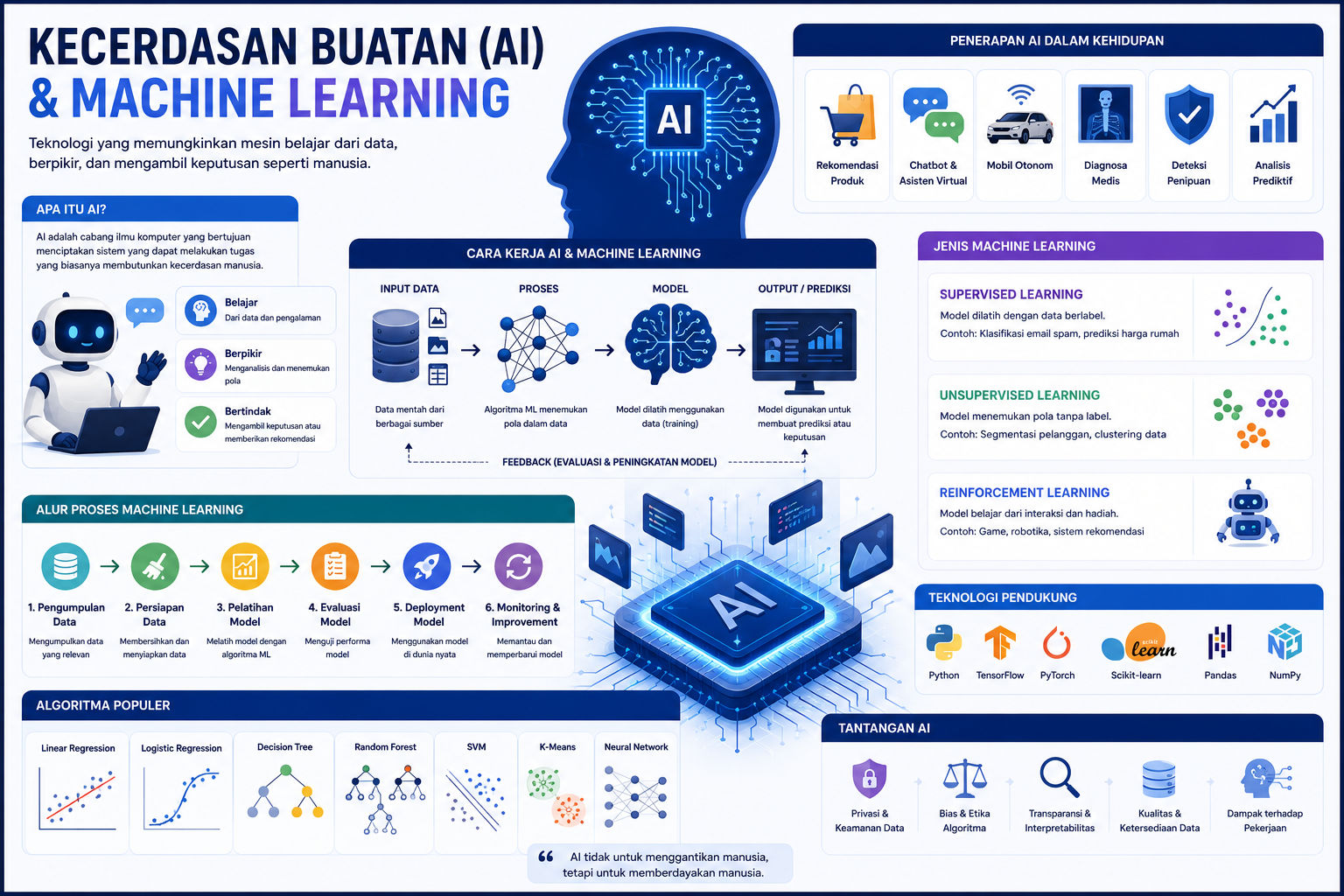
The trend here is not just about more powerful AI models, but about the democratization of AI, making sophisticated capabilities accessible to developers and businesses of all sizes. Low-code/no-code AI platforms, AI-as-a-service, and open-source AI frameworks are lowering the barrier to entry, fostering an explosion of innovation. This widespread integration means AI is less of a standalone product and more of an invisible, intelligent layer within existing systems, quietly optimizing operations and enhancing user experiences. This pervasive intelligence is one of the most significant hidden trends and architectures shaping the future.
3. Connectivity: The Universal Language and Nervous System
The digital ecosystem cannot thrive without robust and ubiquitous connectivity. 5G, satellite internet (like Starlink), and the ever-expanding Internet of Things (IoT) are collectively forming the nervous system of this ecosystem. They are breaking down geographical barriers and enabling real-time communication between billions of devices, creating a truly global, interconnected network.
This enhanced connectivity isn't just about faster download speeds; it's about enabling entirely new applications and efficiencies. Imagine smart cities where traffic flows are optimized in real-time, remote surgeries performed with minimal latency, or factories running fully autonomously with constant communication between machines. The architecture of connectivity is evolving to be more resilient, secure, and adaptable, capable of handling the immense data traffic generated by AI and IoT. This universal language of connection is the foundation upon which all other advanced technologies build, making it a critical piece of the underlying digital architectures.
Emerging Architectures: Reshaping Digital Interaction and Ownership
Building upon these unseen pillars, several emerging architectural trends are fundamentally reshaping how we interact with, own, and perceive the digital world.
1. The Decentralized Fabric: Blockchain, Web3, and the Shift to User Ownership
The rise of blockchain technology and the broader concept of Web3 represents a profound architectural shift from centralized platforms to decentralized, user-owned digital spaces. This is about more than just cryptocurrencies; it's about re-architecting the internet to give power and ownership back to individuals.
Decentralized applications (dApps), NFTs (Non-Fungible Tokens), and DAO (Decentralized Autonomous Organizations) are building blocks of a new internet where users have direct control over their data, digital assets, and even governance of platforms. This architecture emphasizes transparency, immutability, and censorship resistance. While still in its early stages, Web3 is challenging the dominance of tech giants by offering alternative models for digital ownership, identity, and value exchange. It's a fundamental re-imagining of how digital trust is established, moving away from reliance on intermediaries towards cryptographic verification.
2. Immersive Realities as New Interfaces: AR/VR/Metaverse as the 'Sensory Organs'
Augmented Reality (AR), Virtual Reality (VR), and the nascent Metaverse represent a shift in how humans interface with digital information and environments. These technologies are creating new 'sensory organs' for digital interaction, moving beyond flat screens to spatial computing that blends digital content with the physical world or creates entirely new virtual ones.
The architectural challenge here lies in building persistent, interoperable, and scalable virtual worlds that can host millions of users simultaneously, complete with rich graphics, real-time physics, and complex social interactions. It requires advancements in graphics processing, low-latency networking, haptic feedback, and sophisticated AI to manage dynamic environments and user avatars. The metaverse, if fully realized, will not be a single destination but an interconnected network of virtual spaces, demanding new protocols and standards for digital identity, asset ownership, and economic transactions. This is about creating a new dimension of human-computer interaction, transforming passive consumption into active, immersive participation.
3. Sustainable Tech: The Ethical Backbone for a Greener Future
As technology's footprint expands, so does the imperative for sustainability. This isn't just a corporate social responsibility initiative; it's becoming an architectural principle. Sustainable tech encompasses everything from designing energy-efficient hardware and optimizing data center cooling to developing algorithms that minimize computational waste and leveraging AI for environmental monitoring and climate modeling.
The focus is on a circular economy approach to technology: designing products for longevity, repairability, and recyclability. Software development is also becoming greener, with emphasis on optimizing code for energy efficiency and reducing resource consumption. This architectural shift recognizes that continuous innovation cannot come at the expense of our planet. It integrates environmental considerations into the very design and deployment of technological solutions, making sustainability a core, non-negotiable component of future digital architectures.
Convergence and Synergy: The Interplay of Architectural Shifts
The true power of these invisible architectures lies in their convergence. Data fuels AI, which optimizes connectivity, enabling immersive experiences and decentralized systems. For instance, AI algorithms, trained on vast datasets, can dynamically manage 5G networks to optimize performance for AR/VR applications. Blockchain can provide a secure and transparent ledger for managing digital assets within the metaverse, all powered by efficient, sustainable computing infrastructure.
This synergy creates a feedback loop where advancements in one area accelerate progress in others, leading to exponential growth and entirely new possibilities. It's an ecosystem where the whole is far greater than the sum of its parts, constantly evolving and adapting to new demands and innovations. Understanding this dynamic interplay is essential to anticipate the next waves of disruption and opportunity.
The Human Element in the Machine: Navigating the Future with Purpose
While we marvel at the intricate dance of algorithms and data, it's critical to remember the human element at the heart of this digital revolution. The 'invisible architectures' we've discussed are ultimately designed by and for people. This necessitates a continuous dialogue around ethics, privacy, digital literacy, and equitable access. As technology becomes more pervasive and intelligent, so too must our commitment to responsible innovation.
Ensuring that these powerful architectures serve humanity's best interests requires proactive governance, thoughtful design, and an informed citizenry. We must balance the pursuit of innovation with the imperative to protect individual rights, foster inclusivity, and address societal challenges. The future of technology is not just about what we can build, but what kind of world we choose to build with it.
Conclusion: Mastering the Currents, Not Just the Waves
To truly understand and navigate today's rapidly evolving technological landscape, we must look beyond the surface-level trends. The real drivers are the invisible architectures—the foundational pillars of data, AI, and connectivity, alongside the emerging paradigms of decentralization, immersive realities, and sustainability. These are the deep currents that shape the waves of innovation we observe.
By focusing on these underlying forces, we gain a more profound insight into the direction of progress, the potential for disruption, and the opportunities for meaningful impact. It’s about mastering the currents, not just riding the waves, ensuring that we are not merely consumers of technology, but informed participants in its ongoing evolution.