Beneath the Surface: Unpacking the Hidden Architectures of Today's Tech Trends
In the whirlwind of daily technological advancements, it's easy to get caught up in the flashy new gadgets, the latest software updates, and the viral social media phenomena. We marvel at artificial intelligence (AI) creating art, blockchain revolutionizing finance, and virtual reality (VR) promising new worlds. Yet, beneath this visible layer of innovation lies a complex web of unseen forces and hidden architectures that truly drive the digital revolution. These are the foundational shifts, the subtle integrations, and the silent evolutions that often escape the everyday user's notice but profoundly shape our technological future.
This article aims to peel back those layers, offering a unique perspective on the latest technology news and trends by examining the underlying structures and currents that power them. We'll delve into the less-talked-about aspects, exploring how architectural decisions, philosophical shifts, and strategic integrations are laying the groundwork for the next era of innovation.
The Invisible Hand of AI: Beyond the Algorithm
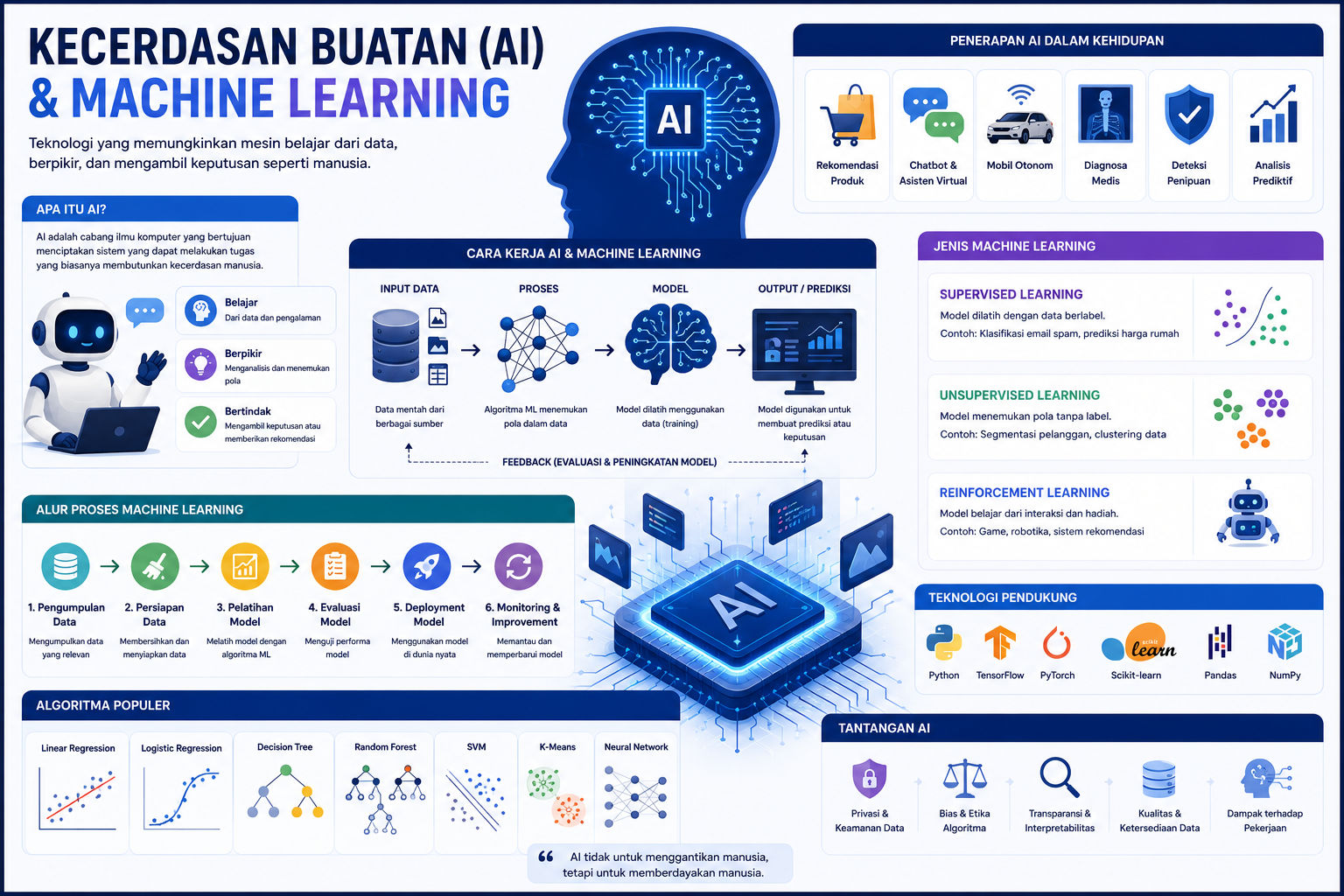
Artificial Intelligence has dominated headlines for years, from generative models to autonomous systems. But beyond the impressive applications we interact with, there's a profound shift happening at the architectural level. It's not just about building better algorithms; it's about re-imagining the entire data pipeline, computational infrastructure, and ethical frameworks that support AI. The real trend is the move towards more robust, transparent, and explainable AI systems, often requiring entirely new hardware architectures and distributed computing paradigms. Edge AI, for instance, is pushing processing capabilities closer to the data source, reducing latency and enhancing privacy – a foundational shift that redefines how AI interacts with the physical world.
Moreover, the focus is increasingly on federated learning and privacy-preserving AI techniques. These methods allow AI models to be trained on decentralized datasets without the data ever leaving its source, addressing critical privacy concerns and regulatory challenges. This architectural pivot is far more impactful than any single AI application because it reshapes the very foundation upon which future AI is built, allowing for broader adoption in sensitive sectors like healthcare and finance. The ethical considerations, often baked into the design principles of these new architectures, are also a crucial, albeit often invisible, trend, ensuring that AI development aligns with societal values.
Blockchain's Quiet Revolution: Infrastructure, Not Just Crypto
While cryptocurrencies grab attention, the true silent revolution of blockchain lies in its underlying distributed ledger technology (DLT) and its impact on various industries. The latest trends show a pivot from speculative assets to practical, enterprise-grade blockchain solutions that enhance supply chain transparency, improve data security, and streamline cross-border payments. These applications often operate in permissioned environments, focusing on efficiency and trust among known participants rather than public anonymity.
The architectural innovation here involves interoperability solutions, allowing different blockchain networks to communicate and share data seamlessly. This quest for a "blockchain of blockchains" is crucial for mainstream adoption, as it addresses the fragmentation that has hindered widespread integration. Furthermore, advancements in zero-knowledge proofs (ZKPs) and other cryptographic techniques are enabling private transactions on public blockchains, solving a critical privacy paradox. These infrastructural developments, though hidden from the average consumer, are building the backbone of a more secure and transparent digital economy, paving the way for decentralized autonomous organizations (DAOs) and Web3 paradigms to flourish on a stable, interconnected foundation. To truly understand these profound shifts, one must look beyond the surface; indeed, diving deep into the hidden architectures of modern tech trends reveals these often-overlooked drivers.
Quantum Computing: The Dawn of a New Computational Paradigm
Quantum computing remains largely an academic and research pursuit, yet its architectural implications are already a significant trend. While practical, fault-tolerant quantum computers are still years away, the race to build the underlying hardware and develop quantum algorithms is intense. The trend here is not in immediate applications, but in the foundational research and investment in new materials, cryogenics, and error-correction techniques that are pushing the boundaries of physics and engineering. Companies and governments are pouring resources into developing quantum processors, even if they currently offer limited practical advantage over classical supercomputers for most tasks.
The unique perspective here is understanding that the current "news" in quantum computing is less about breakthrough problem-solving and more about incremental architectural progress – qubit stability, connectivity, and coherence times. These are the unseen metrics that dictate the pace of advancement. The trend is the slow, deliberate construction of a completely new computational paradigm, one that promises to redefine fields from material science to drug discovery, but only after its foundational architecture is robustly established. This silent, meticulous work underpins future headlines, representing under-the-radar innovations and future-oriented developments that will define tomorrow's technological landscape.

Cybersecurity's Evolving Battleground: Proactive Architectures
Cybersecurity is a constant arms race, but the latest trends reveal a shift from reactive defense to proactive, architectural resilience. Zero-Trust Architecture (ZTA) is becoming a dominant paradigm, moving away from perimeter-based security to an approach where no user or device is inherently trusted, regardless of their location. This requires re-architecting networks, identity management systems, and access controls at a fundamental level.
Another crucial trend is the integration of AI and machine learning into security operations. These technologies are not just for detecting threats but for predicting vulnerabilities, automating incident response, and continuously adapting security postures. The shift is towards self-healing networks and adaptive defenses that can learn and evolve faster than attackers. This unseen layer of intelligent automation is profoundly changing how organizations protect their digital assets, moving security from a reactive overhead to an integral, proactive component of the entire IT architecture. The silent war against cyber threats is won not just by new tools, but by fundamentally rethinking the underlying security posture.
Sustainable Technology: The Green Blueprint
As technology consumption grows, so does its environmental footprint. A critical, yet often unseen, trend is the architectural shift towards sustainable technology and green IT. This involves designing hardware, software, and data centers with energy efficiency, resource conservation, and circular economy principles in mind. From low-power processors to renewable energy-powered data centers, the focus is on minimizing the environmental impact across the entire tech lifecycle.
The architectural implications are vast: optimizing data center cooling, designing more efficient power delivery systems, and developing software that requires fewer computational resources. Cloud providers are increasingly transparent about their carbon footprints, driving innovation in sustainable infrastructure. This trend also extends to the supply chain, with companies striving for ethical sourcing and responsible disposal of electronic waste. While consumers may not directly see the ultra-efficient server racks or the AI-optimized cooling systems, these architectural decisions are a significant and growing force, shaping the very blueprint of future technology for a more sustainable planet.
The Metaverse's Foundation: Beyond the Hype
The metaverse, often envisioned as a collection of immersive virtual worlds, is another area where the true trends lie beneath the surface. Beyond the virtual reality headsets and digital avatars, the real architectural challenge and opportunity lie in creating interoperable standards, robust infrastructure, and persistent digital identities. The current fragmented landscape of proprietary platforms highlights the need for a foundational shift towards open protocols and shared frameworks.
The "news" often focuses on brand activations or new virtual experiences, but the underlying trend is the painstaking work of building the plumbing for a truly interconnected metaverse. This involves developing new protocols for digital asset ownership (e.g., NFTs), identity management across diverse platforms, and real-time rendering and streaming capabilities that demand unprecedented computational power and network bandwidth. The creation of a truly expansive and functional metaverse hinges on these unseen architectural components, which will allow users to seamlessly move assets and identities between different virtual environments, fostering a truly interconnected digital realm.
Conclusion: The Architectures of Tomorrow
The visible landscape of technology is always exciting, filled with rapid advancements and groundbreaking applications. However, to truly comprehend the direction and impact of these trends, we must look beyond the immediate display and appreciate the silent, profound shifts occurring in the underlying architectures. From the ethical foundations of AI to the interoperable standards of blockchain, the quantum building blocks, the proactive defenses of cybersecurity, the green blueprints of sustainable tech, and the foundational plumbing of the metaverse – these are the unseen forces that are meticulously shaping our digital future.
Understanding these hidden architectures provides a more nuanced and powerful insight into where technology is headed. It allows us to not just observe the future, but to anticipate its structural evolution, fostering a deeper appreciation for the ingenuity that drives our ever-advancing digital world. The most impactful changes are often those that occur out of sight, building the bedrock for the innovations that will one day capture global attention.