Unseen Architectures: The Hidden Drivers Shaping the Latest Technology Trends
In an era defined by rapid technological advancements, the spotlight often falls on the dazzling end-user applications—the sleek new gadgets, the intuitive AI assistants, the immersive virtual worlds. Yet, beneath this visible layer of innovation lies a complex web of unseen architectures and silent drivers. These are the foundational shifts, the intricate engineering, and the profound theoretical breakthroughs that truly power the latest technology trends and dictate the future trajectory of our digital world. Ignoring these underlying currents is akin to marveling at a skyscraper without understanding the engineering prowess of its foundation. This article delves into the less-discussed, yet profoundly impactful, hidden architectures that are meticulously shaping the technological landscape.
The true revolution is not always loud. Often, it's a silent revolution unfolding behind the scenes, evolving in data centers, research labs, and through countless lines of code that the average user never sees. Understanding these unseen forces provides a deeper, more nuanced appreciation of where technology is headed and how it impacts society, economy, and daily life.
The Invisible Foundations of AI's Ascent: More Than Just Algorithms
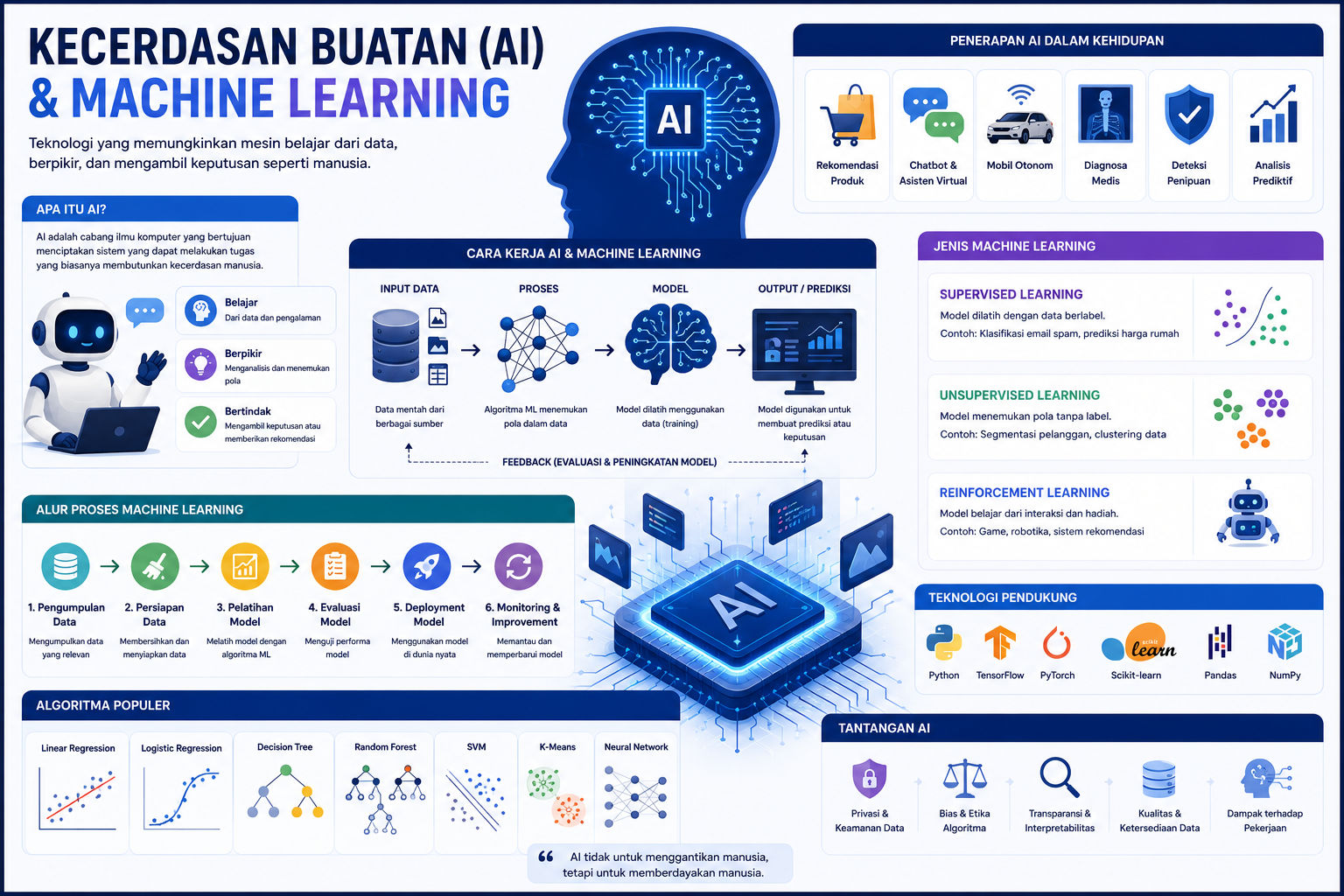
Artificial Intelligence (AI) has captured global attention, from generative AI creating art and text to sophisticated predictive analytics driving business decisions. However, the true marvel of AI isn't just the algorithms themselves, but the colossal, unseen architectures that support them. Consider:
- Data Infrastructure: AI models are insatiably data-hungry. The unseen architecture here involves massive-scale data lakes, sophisticated data pipelines, real-time streaming capabilities, and robust data governance frameworks. These systems collect, clean, label, and manage petabytes of information, which is the lifeblood of any effective AI.
- Computational Power and Specialised Hardware: The training and inference of large AI models demand extraordinary computational resources. This includes the proliferation of Graphics Processing Units (GPUs), Tensor Processing Units (TPUs), and other AI-specific accelerators. The architecture behind these involves distributed computing frameworks, cloud-native infrastructure, and energy-efficient data center designs.
- Algorithmic Innovation Beyond the Surface: While Large Language Models (LLMs) and diffusion models are prominent, the constant, iterative improvements in neural network architectures, optimization algorithms, and transfer learning techniques form another layer of unseen innovation. These subtle tweaks can yield significant performance gains, often without a dramatic public announcement.
The advancements we see in AI are a direct consequence of these underlying architectural strengths. Without robust, scalable, and secure data and computational foundations, the AI models we interact with daily would simply not exist in their current powerful forms.
Quantum Computing's Silent Hum: Building the Future Bit by Qubit
Quantum computing remains largely in the realm of research and specialized applications, yet its foundational development is one of the most significant unseen tech trends. Unlike classical bits that are either 0 or 1, qubits can exist in multiple states simultaneously (superposition) and be entangled, allowing for exponentially greater computational power. The "unseen architecture" here is multifaceted:
- Hardware Engineering at the Edge of Physics: Developing stable qubits requires extreme precision and control, often involving super-cooled environments (close to absolute zero) or sophisticated vacuum chambers. The engineering challenges are immense, from mitigating quantum decoherence to building fault-tolerant quantum hardware.
- Quantum Algorithms and Software Stacks: Beyond the hardware, the development of quantum algorithms (like Shor's and Grover's algorithms) and the software tools (quantum programming languages, compilers, and simulators) to harness this power are critical. This foundational software infrastructure is complex, requiring new paradigms of thinking about computation.
- Error Correction and Scalability: Current quantum computers are noisy and prone to errors. The unseen work in quantum error correction codes and schemes for scaling up qubit counts are pivotal. These are intricate theoretical and practical challenges being tackled behind the scenes.
While practical, large-scale quantum computers are still some years away, the continuous progress in these foundational architectural elements suggests that when quantum supremacy does arrive, it will be built upon years of diligent, often unpublicized, scientific and engineering breakthroughs.
The Blockchain's Evolving DNA: Beyond Cryptocurrency Hype
Blockchain technology, often synonymous with cryptocurrencies, is undergoing a profound architectural evolution that extends far beyond digital assets. The unseen drivers here are the enterprise-grade applications and foundational protocols that are redesigning trust and transparency in various sectors:
- Enterprise Blockchain Solutions: Companies are leveraging private and permissioned blockchains to streamline supply chains, manage intellectual property, and enhance data security. The architecture focuses on privacy, interoperability, and integration with existing legacy systems, a far cry from the open, anonymous nature of public blockchains.
- Decentralized Identity (DID): A critical unseen trend is the development of self-sovereign identity solutions built on blockchain. This architecture allows individuals to control their digital identities, rather than relying on centralized authorities, promising enhanced privacy and security for online interactions.
- Layer 2 Scaling Solutions and Interoperability Protocols: For public blockchains, the architectural challenge of scalability and interoperability is being addressed by layer 2 solutions (e.g., Lightning Network, rollups) and cross-chain bridges. These are sophisticated protocols designed to increase transaction throughput and allow different blockchains to communicate, making the entire ecosystem more robust and functional.
The future of blockchain lies in these architectural enhancements that move it from a niche financial tool to a fundamental infrastructure for verifiable and immutable data, impacting everything from digital finance to healthcare records.
Edge Computing: Pushing Intelligence to the Periphery
As the Internet of Things (IoT) proliferates and real-time data processing becomes critical, the architecture of computing is shifting from centralized cloud data centers to the "edge"—devices closer to the data source. This unseen architectural transformation is driven by several factors:
- Latency Reduction: Processing data closer to the source significantly reduces latency, which is crucial for applications like autonomous vehicles, industrial automation, and augmented reality. The architecture involves compact, powerful computing nodes embedded in devices or local gateways.
- Bandwidth Optimization: Instead of sending all raw data to the cloud, edge devices can process and filter data locally, sending only relevant insights. This optimizes network bandwidth and reduces storage costs, especially critical for remote or constrained environments.
- Enhanced Security and Privacy: By keeping sensitive data localized, edge computing architectures can improve data privacy and reduce the attack surface associated with transmitting vast amounts of information over networks. This involves robust encryption and secure processing at the device level.
- Resilience and Autonomy: Edge architectures allow devices to operate autonomously even when disconnected from the central cloud, providing greater system resilience and reliability.
This architectural pivot is not about replacing the cloud but augmenting it, creating a more distributed and responsive computing landscape where intelligence is ubiquitous, powered by these hidden architectures driving the digital revolution.
Cybersecurity's Perpetual Arms Race: The Hidden Frontlines
Cybersecurity is often seen as a reactive field, but a significant portion of its advancements comes from proactive, unseen architectural developments. The battle against cyber threats is a constant evolution of defensive and offensive technologies, much of which operates silently in the background:
- Zero-Trust Architectures: Moving beyond perimeter-based security, zero-trust models assume no user or device can be implicitly trusted, regardless of their location. This involves micro-segmentation, strong identity verification, and continuous monitoring, fundamentally redesigning how organizations secure their digital assets.
- AI and Machine Learning in Defense: AI is not just for generative models; it's a critical component in detecting and responding to threats. Unseen AI models continuously analyze network traffic, user behavior, and threat intelligence to identify anomalies and predict potential attacks, often before human intervention.
- Quantum-Resistant Cryptography: With the looming threat of quantum computers breaking current encryption standards, cryptographers are quietly developing and implementing quantum-resistant algorithms. This involves a profound architectural shift in cryptographic primitives and key management systems.
- Supply Chain Security: As software supply chain attacks become more sophisticated, the focus is on securing every component, from source code to deployment. This involves verifiable software bills of materials (SBOMs), code signing, and continuous vulnerability scanning throughout the development lifecycle.
These architectural shifts in cybersecurity are the unseen guardians of our digital world, constantly evolving to protect against an ever more sophisticated threat landscape.
Sustainable Tech: Building Greener Digital Infrastructures
The environmental impact of technology is a growing concern, leading to an unseen architectural trend focused on sustainability. This involves designing and implementing technologies that minimize energy consumption and environmental footprint:
- Energy-Efficient Hardware: The continuous drive for more power-efficient processors, memory, and storage devices is a foundational effort. Innovations in chip design, cooling technologies, and renewable energy integration in data centers are critical.
- Green Software Engineering: Beyond hardware, the architectural principles of "green software" are emerging. This involves writing code that is optimized for efficiency, uses fewer computational resources, and minimizes energy consumption. It's about designing software from the ground up with sustainability in mind.
- Circular Economy Principles: The architecture of tech production is shifting towards circular economy models, focusing on repairability, recyclability, and extended product lifecycles. This impacts everything from material selection to product design and waste management.
These sustainable architectural choices, though often invisible to the end-user, are essential for ensuring that technological progress does not come at an irreversible cost to our planet.
The Human Element: Bridging the Digital Divide with Thoughtful Architecture
While many architectural trends focus on hardware and software, a crucial "unseen architecture" lies in how technology is designed to interact with humans and society. This involves addressing the digital divide and ensuring inclusivity:
- Accessible Design Principles: Integrating accessibility features from the ground up, rather than as an afterthought, is an architectural choice. This includes designing interfaces for diverse abilities, offering multiple input/output methods, and adhering to international accessibility standards.
- Ethical AI Frameworks: The development of ethical AI is an architectural challenge, embedding principles of fairness, transparency, and accountability into AI systems. This includes designing for bias detection, explainability, and human oversight.
- Infrastructure for Remote and Underserved Areas: The development of low-cost, high-speed internet infrastructure (e.g., satellite internet, mesh networks) for remote or underserved populations represents an architectural effort to democratize access to digital resources, fostering economic and educational opportunities.
These human-centric architectural considerations ensure that technology serves all of humanity, bridging gaps and creating a more equitable digital future.
Conclusion: The Power of the Unseen
The latest technology trends are not just about the flashy innovations that grab headlines. They are fundamentally shaped by the unseen architectures, the silent drivers, and the foundational shifts that occur beneath the surface. From the intricate data pipelines powering AI to the quantum leaps in hardware engineering, the evolving DNA of blockchain, the distributed intelligence of edge computing, the proactive defenses of cybersecurity, and the sustainable design principles guiding future development, these are the true engines of progress.
Understanding these underlying currents allows us to appreciate the depth and complexity of modern technology. It reveals that the most profound revolutions are often built brick by invisible brick, in the quiet spaces where engineers, scientists, and innovators meticulously craft the frameworks that will define our digital future. As we look ahead, paying attention to these unseen architectures will provide the clearest vision of the technological landscape to come.