The Unseen Algorithm: Deconstructing the Subterranean Forces Shaping Today's Tech Trends
In a world obsessed with the next big gadget or viral app, it’s easy to get lost in the dazzling display of technological advancements. We celebrate the breakthroughs, marvel at the innovations, and eagerly anticipate what tomorrow will bring. Yet, beneath the glossy surface of headlines and product launches, a more profound transformation is underway. This isn't just about what technology does, but how it reconstructs the very fabric of our lives – often through processes and architectures that remain largely unseen. To truly understand the current landscape of technology and its trajectory, we must look beyond the buzz and deconstruct the subterranean forces shaping today's tech trends.
This article aims to provide a unique perspective, moving past superficial analyses to uncover the invisible algorithms, ethical quandaries, and foundational shifts that are quietly redefining our digital and physical realities. It's about understanding the "why" and "how" behind the visible changes, revealing the deeper implications that will resonate for decades to come. Indeed, for a deeper exploration of these foundational shifts, one might consider delving into the concepts of the invisible architecture driving tomorrow's tech landscape.
The Pervasive Undercurrent of Artificial Intelligence: Beyond the Chatbot
Artificial Intelligence (AI) has dominated headlines, primarily through the astounding capabilities of large language models (LLMs) and generative AI. However, the true subterranean force of AI lies not just in its ability to create or converse, but in its pervasive integration into decision-making processes across nearly every sector. From algorithmic trading that moves trillions of dollars daily to personalized healthcare recommendations, AI is becoming the silent co-pilot of human existence.
This invisible algorithm is constantly learning, optimizing, and influencing. It dictates what content we see on social media, determines loan eligibility, and even assists in judicial sentencing. The core of this trend is the shift from AI as a tool to AI as an environment. Our digital spaces are increasingly engineered by AI, creating hyper-personalized experiences that are both convenient and potentially isolating. The ethical considerations around bias, transparency, and accountability in these AI systems are no longer theoretical debates but urgent practical challenges. Understanding how these unseen algorithms shape our choices and perceptions is crucial for navigating the AI-driven future.
Decentralization and Web3's Quiet Evolution: Reshaping Ownership
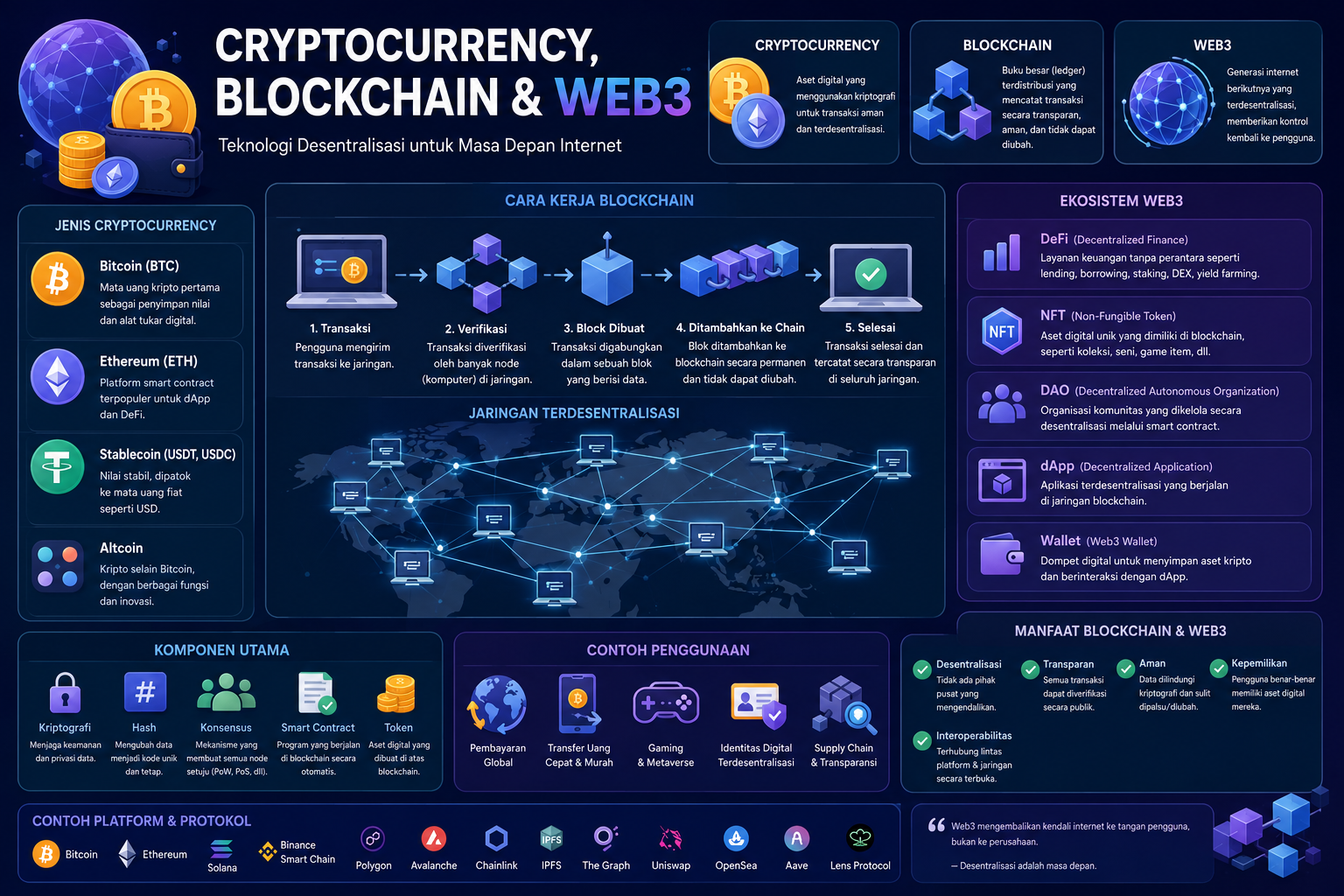
While often overshadowed by the speculative volatility of cryptocurrencies, the underlying principles of decentralization and Web3 represent another powerful subterranean shift. This movement is fundamentally about re-architecting the internet to shift power and ownership from centralized entities back to individuals. Beyond the hype of NFTs and meme coins, Web3 is fostering innovation in areas like decentralized identity, secure data storage, and community-governed platforms (DAOs).
The invisible force here is a philosophical one: a pushback against the data monopolies and surveillance capitalism that define Web2. It proposes a future where users have verifiable control over their digital assets and identities, where data is not just stored but truly owned. The development of scalable blockchain solutions, interoperable protocols, and user-friendly decentralized applications (dApps) is quietly building the infrastructure for this new internet. This isn't about replacing the internet overnight, but rather about laying new foundations that could fundamentally alter how value is created, exchanged, and secured online.
Quantum's Looming Shadow: The Foundations of Future Computing
Quantum computing often feels like science fiction, perpetually "10 years away" from widespread application. However, the current period represents a crucial subterranean phase of foundational research and engineering that will dictate its long-term impact. Governments, academic institutions, and tech giants are pouring billions into developing stable qubits, error correction mechanisms, and new quantum algorithms. While practical, fault-tolerant quantum computers are still nascent, the invisible work being done now is laying the groundwork for unprecedented computational power.
The implications are staggering for fields like cryptography, materials science, drug discovery, and complex optimization problems. Quantum computing promises to crack current encryption standards and simulate molecular interactions with a fidelity impossible for classical computers. The silent race to achieve quantum supremacy is not just a technological challenge but a geopolitical one, with profound implications for national security and economic competitiveness. Understanding this foundational work means appreciating that some of the most impactful tech trends operate on a much longer time horizon, building the invisible infrastructure for future revolutions.
Sustainable Tech's Invisible Imperative: Green Innovation at Core
As the climate crisis intensifies, sustainability is no longer an optional add-on but an invisible imperative driving innovation across the tech sector. This trend manifests in various subterranean ways: from chip designers focusing on energy efficiency, to data centers shifting towards renewable energy sources, and software developers optimizing code for lower computational loads. The entire lifecycle of technology, from raw material extraction to end-of-life recycling, is being scrutinized through a sustainability lens.
This invisible force is compelling companies to rethink business models, supply chains, and product design. It's fostering innovation in areas like green AI (reducing the energy footprint of AI models), circular economy principles for electronics, and advanced recycling technologies. Moreover, technology itself is becoming a critical tool for sustainability – from smart grids optimizing energy distribution to AI-powered climate modeling. The pressure for eco-conscious tech is an invisible hand guiding investment and research, shaping products and services long before they reach the consumer.
The Rise of Neurotechnology's Ethical Labyrinth: Redefining Human-Tech Interaction
Neurotechnology, encompassing Brain-Computer Interfaces (BCIs) and neural implants, is emerging from the realm of medical necessity into broader application, marking another profound subterranean shift. While still in early stages, advancements in understanding and interacting with the human brain are opening doors to restoring lost functions, enhancing human capabilities, and even new forms of communication. The invisible algorithms here are those translating brain signals into commands or vice-versa, blurring the lines between thought and action.
However, this trend presents a complex ethical labyrinth. Questions surrounding data privacy (what happens when your thoughts are data?), human autonomy, potential for misuse, and the very definition of humanity are becoming critical. As these technologies mature, their societal architectures will need careful consideration. For a deeper dive into how these invisible threads intertwine with societal architectures, further research into their broader implications is essential. The development of neurotechnology is not just a scientific endeavor; it's a philosophical one, forcing us to confront the deepest questions about our future relationship with technology and ourselves.
Hyper-personalization and the Data Enigma: The Double-Edged Sword
The drive for hyper-personalization, powered by advanced data analytics and AI, is an invisible force that profoundly shapes our digital experiences. From streaming service recommendations to targeted advertisements and customized news feeds, algorithms are constantly tailoring our digital world to our perceived preferences. This provides immense convenience and relevance, creating a seamless user experience that often feels intuitive and magical.
Yet, this subterranean force has a darker, enigmatic side. The continuous collection and analysis of personal data raise significant privacy concerns. Moreover, hyper-personalization can lead to "filter bubbles" and "echo chambers," limiting exposure to diverse perspectives and potentially polarizing societies. The more our digital worlds are curated by unseen algorithms, the less agency we might have over the information we consume and the ideas we encounter. The challenge lies in balancing the benefits of personalization with the imperative to protect individual privacy and foster a broad, informed public discourse.
The Convergence Play: Blurring Lines and Emergent Complexities
Perhaps the most significant subterranean force is the increasing convergence of seemingly disparate technological fields. AI is not developing in isolation; it's integrating with IoT to create smarter environments, with biotechnology for advanced diagnostics, and with robotics for autonomous systems. Blockchain is finding applications beyond finance, securing supply chains and digital identities. Quantum computing, while nascent, promises to accelerate breakthroughs in AI and material science.
This convergence creates emergent complexities and opportunities that are difficult to predict. It means that innovations in one field can rapidly accelerate progress in another, leading to exponential growth and entirely new industries. Understanding the invisible interfaces and interoperability layers that enable this convergence is key to grasping the full scope of current tech trends. It's a reminder that technology's evolution is not linear but a vast, interconnected web where the most impactful changes often arise at the intersection of different domains.
Conclusion: Navigating the Unseen Future
The world of technology is far more intricate than what meets the eye. Beneath the surface of dazzling gadgets and headline-grabbing announcements, powerful subterranean forces – invisible algorithms, ethical shifts, and foundational re-architectures – are reshaping our reality. From AI's pervasive influence on decision-making to Web3's promise of data ownership, from quantum computing's long-term potential to sustainable tech's urgent imperative, and from neurotechnology's ethical dilemmas to the seamless convergence of diverse fields, these unseen drivers dictate the pace and direction of innovation.
To truly comprehend and navigate this evolving landscape, we must cultivate a deeper understanding. It requires us to look beyond the immediate "what" and delve into the fundamental "how" and "why." By deconstructing these invisible architectures and recognizing their profound implications, we can better anticipate future trends, address emerging challenges, and harness technology's transformative power for a more informed, equitable, and sustainable world. The future isn't just being built; it's being woven with unseen threads, and it's imperative that we learn to discern their patterns.