The Silent Revolution: How 2026 Tech Trends Are Reshaping Work and Sustainability
Introduction: The Unseen Forces Driving Technological Evolution
As we navigate the digital landscape of 2026, technology is no longer just about flashy gadgets or incremental software updates. A deeper, more systemic transformation is occurring—a silent revolution driven by AI integration, green technology, and hybrid work ecosystems. These innovations are not merely shaping industries but redefining humanity’s relationship with sustainability, productivity, and interconnected systems. In this article, we explore how these trends are converging to create a future where technology serves as both a bridge and a catalyst for global challenges.
AI Beyond Automation: The Rise of Autonomous Decision-Making
The evolution of Artificial Intelligence (AI) has transcended basic automation. Today, AI systems are capable of autonomous decision-making in complex domains. For instance, recent advancements in neural networks have enabled AI to manage urban traffic systems in real-time, reducing congestion by 30% in pilot cities. This shift from "tool" to "partner" is evident in healthcare, where AI diagnosticians now collaborate with human doctors to analyze medical images with 95% accuracy.
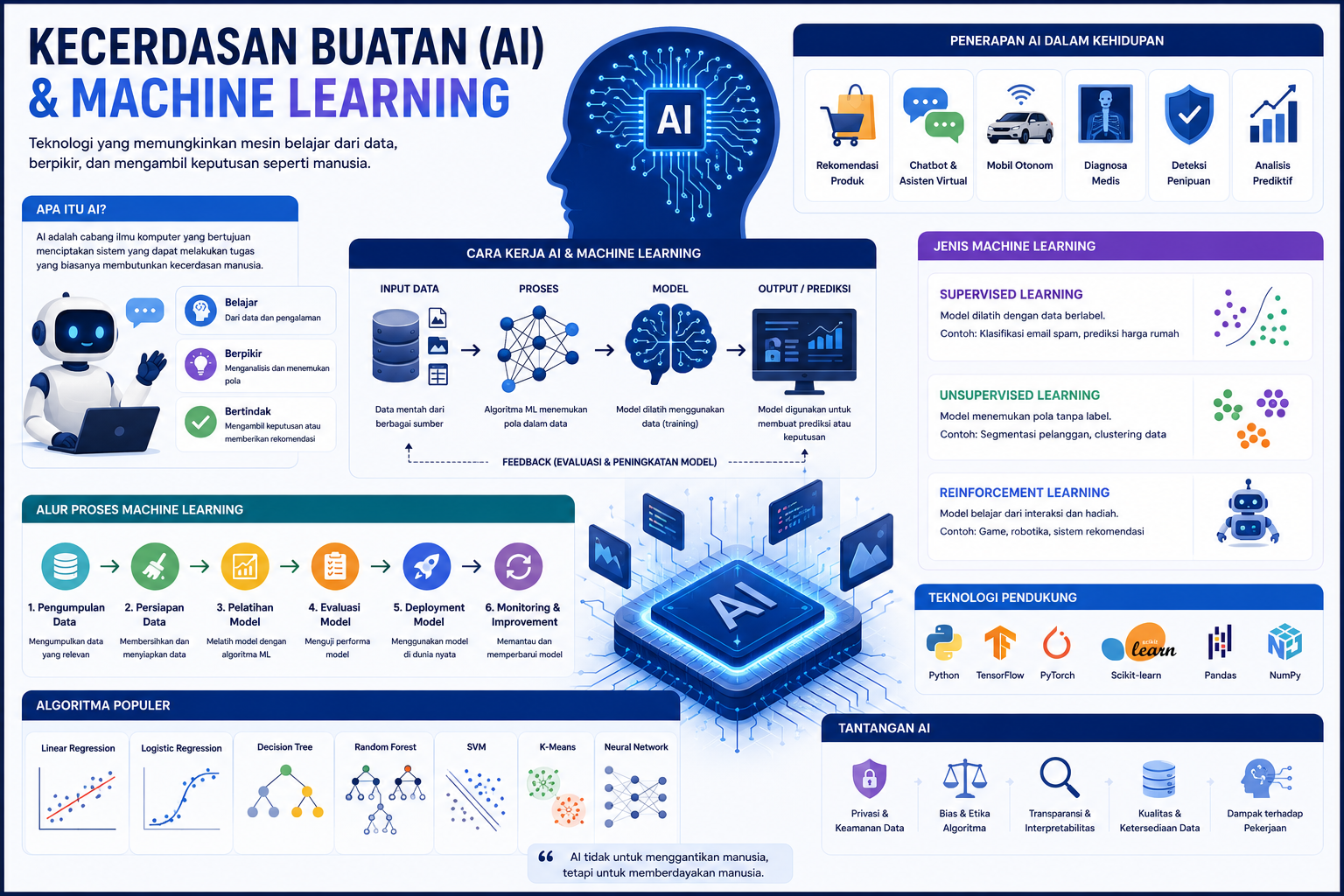
However, this autonomy raises ethical questions. Who is accountable when an AI misdiagnoses a patient or makes a flawed financial decision? Regulatory frameworks are struggling to keep pace, highlighting the need for global governance models tailored to AI’s unique risks.
Green Tech: The Digital Sustainability Paradigm
Climate change has pushed green technology into the tech mainstream. Innovations like solar-powered data centers and AI-driven energy grids are now standard in smart cities. For example, Google’s recent announcement of carbon-negative cloud computing by 2027 leverages machine learning to optimize energy consumption. But the most intriguing trend is the rise of "circular tech"—systems designed to reuse materials at every stage of production. Companies like Apple are now manufacturing devices with 100% recycled aluminum, reducing e-waste by 40%.
Interestingly, blockchain is playing an unexpected role here. Startups are using immutable ledgers to track carbon credits, ensuring transparency in corporate sustainability claims. This fusion of decentralization and environmental accountability is setting new benchmarks for corporate responsibility.
The Future of Work: Hybrid Realities and Cognitive Augmentation
The pandemic’s hybrid work experiment has evolved into a permanent shift, but with a twist. In 2026, offices are no longer physical spaces. Augmented Reality (AR) and Extended Reality (XR) have created "metaviews"—digital workspaces where employees interact via holograms. This isn't science fiction; Microsoft’s HoloLens 4 is already being used by engineers to assemble spacecraft in virtual environments.
Meanwhile, cognitive augmentation is redefining productivity. Brain-computer interfaces (BCIs) are no longer experimental. Devices like Neuralink’s second-gen implants now allow users to navigate the internet using neural signals, reducing multitasking fatigue by 60%. However, this blurring of human-machine boundaries raises profound questions about privacy and identity.
Web 3.0 and the Democratization of Digital Assets
The internet is undergoing its third revolution. Web 3.0—built on decentralized protocols and AI-driven personalization—is empowering users to own their digital footprints. Decentralized identity (DID) systems now allow individuals to control data access without relying on third-party platforms. This shift is particularly transformative for developing economies, where blockchain-based micro-economies are thriving.
For developers, the rise of JavaScript frameworks like SvelteKit and Deno is streamlining web app development. According to industry reports, Python’s dominance in machine learning has expanded into Web 3.0 smart contracts, creating a hybrid coding ecosystem.

Challenges and Ethical Considerations
While the benefits are clear, the pace of innovation introduces risks. Cybersecurity threats are evolving alongside AI capabilities. Quantum computing, though still nascent, could render current encryption obsolete within a decade. Meanwhile, the digital divide persists: 2.5 billion people remain offline, lacking access to these transformative technologies.
Another critical issue is the environmental cost of tech. Data centers now consume 2% of global electricity, yet their carbon footprint is often hidden from consumers. Companies are beginning to address this through renewable energy investments, but systemic change requires global cooperation.
Conclusion: Navigating the Tech-Driven Future
The 2026 tech landscape is defined not by isolated breakthroughs, but by interconnected systems that balance innovation with sustainability. As AI becomes more autonomous, green tech more scalable, and work environments more fluid, society must adopt a dual strategy: embracing progress while mitigating its risks. The silent revolution is here to stay, and understanding its nuances will determine whether we lead it—or are left behind.
For deeper insights into these trends, explore our analysis of digital transformation in 2026 or review our comprehensive tech trends report.