The Hidden Forces Shaping 2026’s Tech Landscape: A Deep Dive into Emerging Trends
Introduction: The Interwoven Future of Technology
In 2026, the technological landscape is no longer defined by isolated breakthroughs. Instead, it is the interconnectedness of innovations—driven by hidden forces like ethical frameworks, decentralized systems, and sustainability imperatives—that is reshaping industries and daily life. From AI’s ethical evolution to blockchain’s role in democratizing finance, the current trends are not just about efficiency but about redefining trust, transparency, and environmental responsibility. This article explores five pivotal trends and the underlying drivers propelling them, offering a unique lens into how technology is quietly but powerfully steering the future.
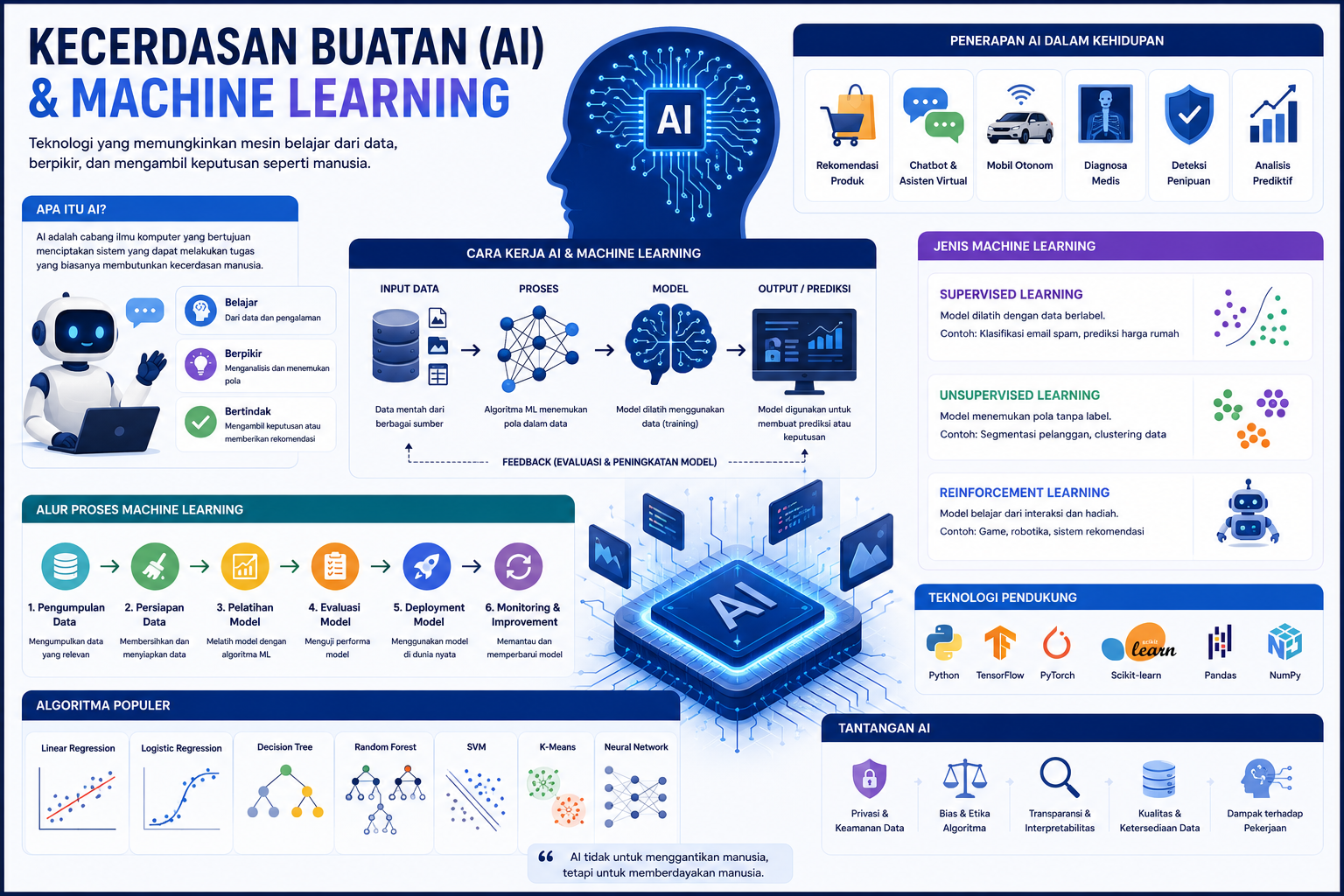
1. Ethical AI: Beyond Automation to Accountability
Artificial Intelligence (AI) has moved from being a tool for automation to a cornerstone of decision-making in healthcare, finance, and governance. However, the spotlight in 2026 is on explainable AI and ethical AI frameworks. Governments and corporations are racing to implement regulations that ensure AI systems are auditable and free from bias. For instance, the EU’s AI Act now mandates that all generative AI models disclose their training data sources, a move that researchers predict will redefine global standards. Startups are also leveraging AI to audit their own algorithms, creating a self-correcting ecosystem that prioritizes fairness over speed.
2. Blockchain as a Trust Infrastructure
Blockchain technology, once synonymous with cryptocurrencies, is now emerging as a trust infrastructure for everything from digital identity to smart contracts. In 2026, decentralized identity (DID) systems are gaining traction, allowing individuals to own and control their data without relying on third parties. For example, the InterPlanetary File System (IPFS) is being integrated into healthcare to securely store patient records while ensuring interoperability across institutions. Meanwhile, blockchain-based carbon credits are enabling transparent tracking of sustainability efforts, linking environmental accountability to corporate reputation. This shift is not just technological but philosophical, as it challenges the notion of centralized authority in favor of collective validation.
3. Digital Payments: The Rise of Frictionless Transactions
The global payment ecosystem is witnessing a seismic shift toward contactless, AI-augmented transactions. Digital wallets are no longer standalone apps but intelligent platforms that learn user behavior to offer personalized financial insights. For instance, biometric authentication paired with real-time fraud detection is making traditional passwords obsolete. Recent studies highlight how banks are adopting zero-knowledge proofs to verify transactions without exposing sensitive data—a breakthrough for privacy-conscious consumers. Additionally, cross-border payment systems powered by stablecoins are reducing fees and processing times, democratizing access to global financial markets.

4. Sustainability-Driven Tech: The Green Imperative
As climate change accelerates, technology is becoming a tool for environmental restoration, not just mitigation. Innovations like AI-powered energy grids and blockchain-enabled carbon trading platforms are at the forefront. For example, smart cities now use IoT sensors to optimize energy consumption in real time, reducing waste by up to 40%. Meanwhile, startups are leveraging quantum computing to simulate molecular interactions, accelerating the development of