The Unseen Architecture: Hidden Drivers Behind the Technology Boom of 2026
Introduction: Beyond the Surface of the Digital Revolution
When we hear the term Berita & Tren Teknologi Terkini (Latest Technology News and Trends), our minds usually jump to the latest smartphone releases, flashy AI chatbots, or the metaverse. However, beneath the surface of these consumer-facing headlines lies a complex, often invisible architecture that truly drives the digital revolution. In 2026, the most significant technological shifts are not just about what we see on our screens, but about the unseen infrastructure and algorithms that dictate how data flows, how economies operate, and how innovation is actually born.
The Invisible Infrastructure: More Than Just the Cloud
The modern internet is often described as "the cloud," but this metaphor hides the physical and logical reality of our digital world. The true drivers of the current digital revolution are the massive subsea cable networks, edge computing nodes, and the decentralized protocols that ensure data sovereignty.
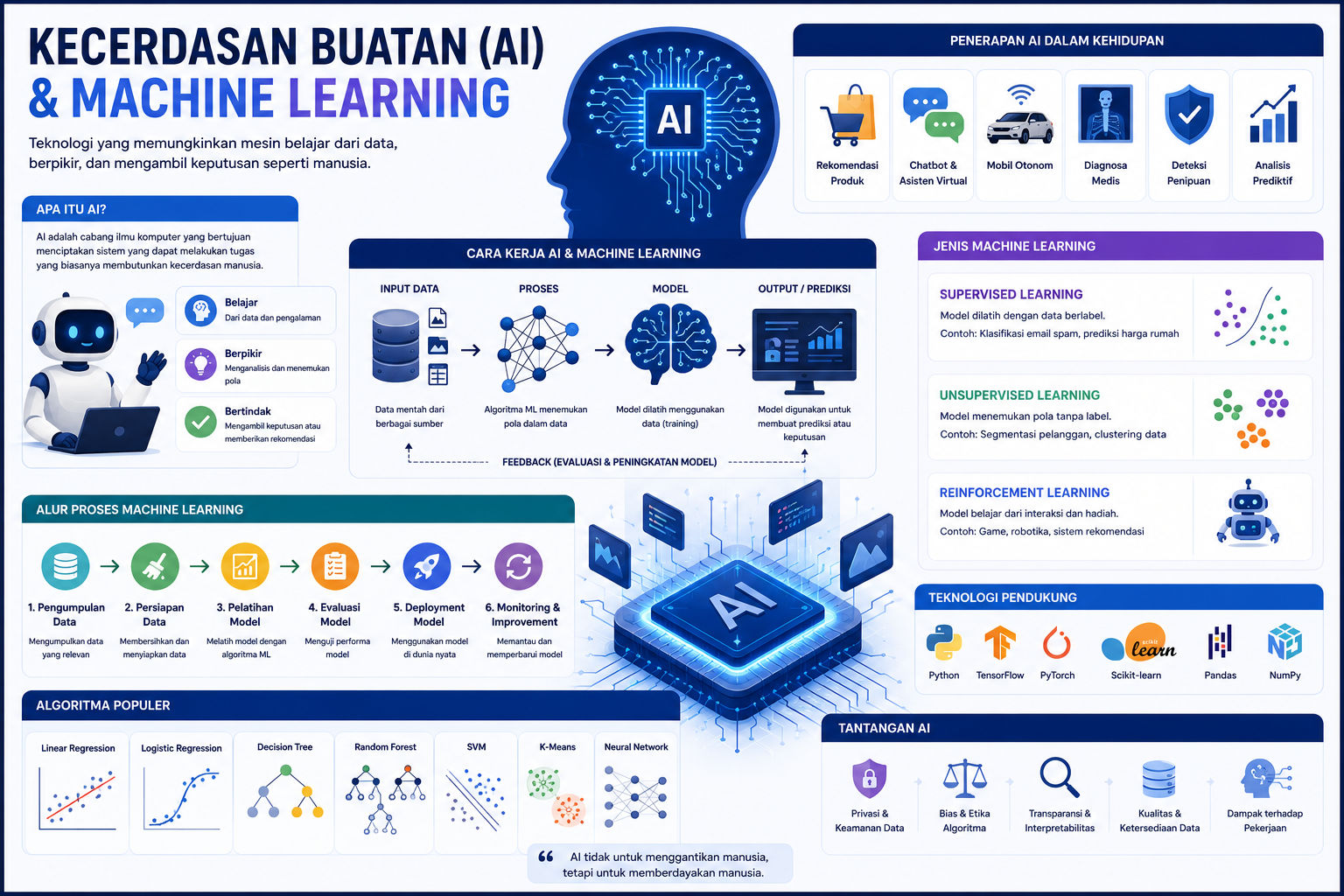
While consumers enjoy seamless streaming and instant AI responses, the real battle for technological supremacy is happening in the depths of the oceans and in remote data centers. The shift towards Edge AI—where artificial intelligence processing happens locally on devices rather than in centralized cloud servers—is a prime example of this hidden trend. This architecture reduces latency, enhances privacy, and allows for real-time decision-making in critical applications like autonomous vehicles and industrial IoT.
Algorithms as the New Architects
If infrastructure is the hardware of the unseen, algorithms are its software. The way we consume information, make financial decisions, and even interact socially is increasingly governed by recommendation engines and predictive models. The evolution of these invisible algorithms is shaping the future in profound ways.
Consider the rise of Generative Engine Optimization (GEO). As AI search engines begin to replace traditional keyword-based searches, the way content is structured and delivered is changing. It is no longer enough to stuff keywords; content must be structured in a way that AI models can easily parse, understand, and synthesize. This shift represents a fundamental change in the relationship between creators and technology.
The Human Element: Adaptation and Collaboration
Despite the dominance of machines, the most crucial element of this unseen architecture remains human. The rapid pace of change requires a new paradigm of learning and adaptation. The evolution of this hidden architecture is not just about technology; it is about how humans collaborate with these systems.

We are moving away from the fear of "AI replacing humans" towards a model of augmented intelligence. In this model, AI handles the heavy lifting of data processing and pattern recognition, while humans provide the ethical framework, creative direction, and emotional intelligence that machines lack. This symbiosis is the true engine of innovation in 2026.
Conclusion: Navigating the Unseen
Understanding Berita & Tren Teknologi Terkini requires looking beyond the glossy product launches and viral tech demos. The real story of 2026 is the silent revolution in infrastructure, the invisible hand of sophisticated algorithms, and the evolving partnership between humans and machines. By recognizing these hidden drivers, we can better prepare for the future, not just as consumers of technology, but as active participants in a digitally transformed world.