The Pulse of 2026: Unpacking the Latest Technology News and Trends
Introduction: Why 2026 Is a Turning Point for Tech
Every year, the tech landscape seems to spin faster than ever before. Yet, the year 2026 marks a pivotal shift—moving from hype to sustainable, integrated ecosystems that blend artificial intelligence, edge computing, and decentralized finance into everyday life. This article dives deep into the most consequential news and trends shaping the digital world in 2026, offering a unique perspective on how these developments will influence businesses, consumers, and policy makers alike.
1. Artificial Intelligence: From Narrow Tasks to Autonomous Ecosystems
In 2026, AI is no longer confined to chatbots or recommendation engines. The field has evolved into autonomous ecosystems—interconnected AI agents that collaborate across devices, cloud services, and even physical infrastructure. This shift is driven by several key breakthroughs:
- Federated Learning 2.0: Models are trained across decentralized devices without sharing raw data, ensuring privacy while improving performance.
- Explainable AI (XAI) Standards: Regulatory bodies now mandate transparent AI decisions, fostering trust in autonomous systems.
- Generative AI for Infrastructure: Engineers use AI to design everything from microchip layouts to city traffic patterns.
These advances have made AI an indispensable tool for sectors ranging from healthcare—where predictive diagnostics are now standard—to autonomous vehicles, where real‑time decision making is critical for safety.
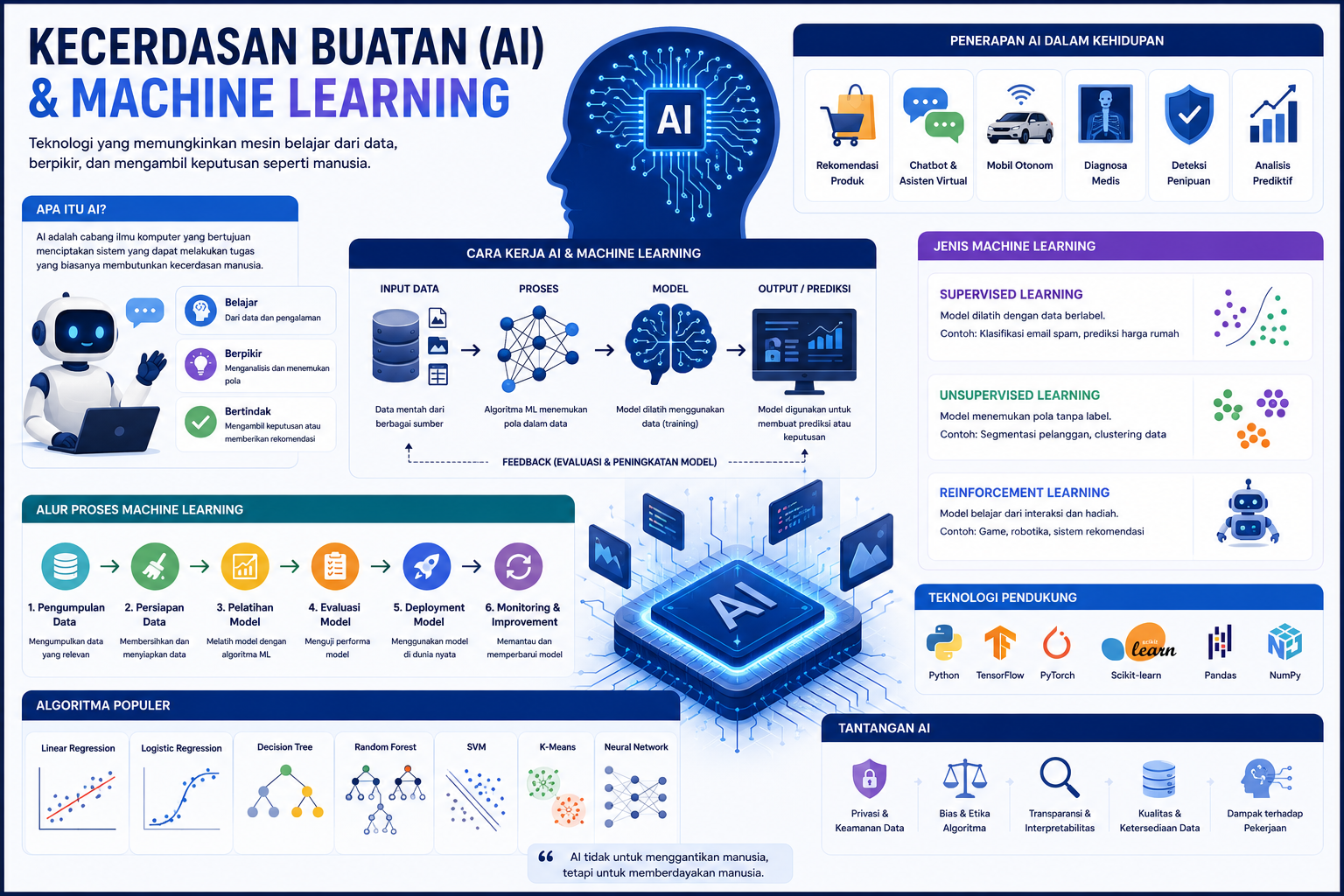
AI in the News
Recent headlines highlight the rapid integration of AI into daily life: a new AI-driven health platform that predicts chronic disease onset months before symptoms appear, and a series of autonomous drones now delivering medical supplies to remote regions.
2. Edge Computing: The New Cloud Frontier
While cloud computing has been the backbone of digital services for over a decade, the rise of edge computing is redefining where and how data is processed. In 2026, edge nodes are not just points of data collection; they are smart, autonomous processors that reduce latency, cut bandwidth costs, and enhance security.
- 5G & 6G Synergy: With 6G's projected 1 Tbps speeds, edge devices can perform complex analytics locally, enabling real-time applications like AR gaming and industrial automation.
- AI at the Edge: Lightweight AI models run on edge hardware, allowing devices like smart cameras to detect anomalies without sending data to the cloud.
- Privacy by Design: Edge computing keeps sensitive data on-site, aligning with stringent data protection laws.
The convergence of AI and edge computing is a powerful driver of the Internet of Everything, where every device can sense, compute, and act independently.
3. Blockchain & Web3: From Crypto Hype to Digital Trust
While cryptocurrency markets have experienced volatility, the underlying blockchain technology is steadily maturing. The 2026 landscape showcases a shift toward privacy-focused, interoperable networks that support decentralized finance (DeFi), supply chain transparency, and digital identity management.
- Zero-Knowledge Proofs (ZKPs) enable secure transactions without revealing sensitive information.
- Cross‑Chain Bridges allow seamless asset transfer across different blockchains, fostering a more integrated ecosystem.
- Tokenized Asset Management is becoming mainstream, with real estate and art now tradable on public blockchains.
For businesses, this means reduced reliance on centralized intermediaries and new revenue models based on token economies.
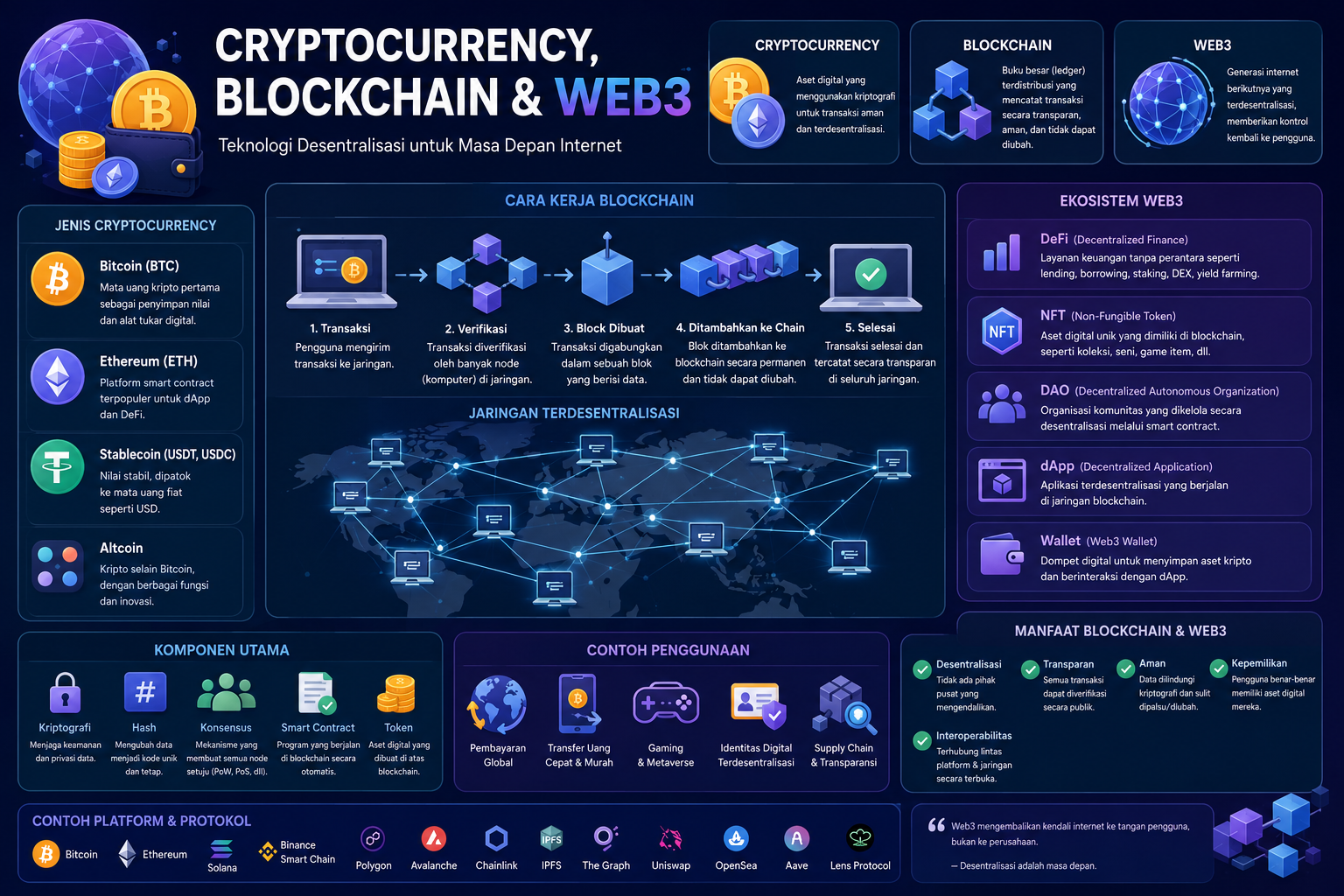
Blockchain in the News
A recent study of blockchain adoption in supply chains revealed that 68% of Fortune 500 companies are piloting tokenized logistics solutions to improve traceability and reduce fraud.
4. Quantum Computing: From Research Labs to Commercial Pilot Projects
Quantum computing remains a frontier technology, but 2026 marks the beginning of its commercial application. Companies like IBM, Google, and emerging startups have launched quantum-as-a-service (QaaS) platforms that provide access to noisy intermediate‑scale quantum (NISQ) devices for specific workloads such as cryptography, optimization, and materials science.
- Hybrid Quantum‑Classical Models are being used to solve complex logistics problems faster than classical algorithms.
- Quantum‑Resistant Cryptography is now a standard in new security protocols, ensuring data remains safe against future quantum attacks.
- Industry Partnerships between tech firms and universities accelerate the development of quantum‑ready software libraries.
5. Sustainable Tech: Green Computing and Circular Hardware
Environmental concerns have become a central theme in 2026’s tech discourse. The push toward green computing—energy‑efficient data centers, renewable-powered servers, and AI-driven resource optimization—has led to measurable reductions in carbon footprints.
- Carbon‑Neutral Data Centers now represent 45% of the global infrastructure, thanks to advancements in cooling and renewable energy integration.
- AI for Energy Management predicts power demand and adjusts workloads to minimize waste.
- Recyclable Hardware initiatives by major manufacturers aim to close the hardware lifecycle loop.
These efforts are not only environmentally responsible but also cost-effective, as energy savings translate directly into operational savings.
6. Metaverse & Immersive Technologies: From Gaming to Workspaces
The metaverse has evolved beyond virtual reality gaming into a robust platform for remote work, education, and commerce. Key developments include:
- Spatial Computing—3D interfaces that allow users to interact with digital objects as if they were physical.
- Digital Twins—real‑time virtual replicas of physical assets that enable predictive maintenance.
- Cross‑Platform Interoperability—standardized protocols that allow assets and identities to move seamlessly between virtual worlds.
7. 6G and the Future of Connectivity
While 5G remains the backbone of mobile networks, 6G is already in pilot stages, promising unprecedented speeds, ultra‑low latency, and massive connectivity. The implications are far‑reaching:
- Ultra‑Reliable Low‑Latency Communications (URLLC) will enable real‑time remote surgery and autonomous driving.
- Massive Machine Type Communications (mMTC) will support billions of IoT devices in smart cities.
- Integrated Satellite and Terrestrial Networks will ensure global coverage, even in remote areas.
8. Regulatory Landscape: Balancing Innovation and Oversight
Governments worldwide are grappling with how to regulate emerging technologies without stifling innovation. Notable developments include:
- AI Ethics Frameworks that require companies to document bias mitigation and explainability.
- Data Sovereignty Laws that mandate local data storage for certain industries.
- New Digital Asset Regulations that bring cryptocurrencies and NFTs under clearer legal frameworks.
Conclusion: A Synergistic Future
The convergence of AI, edge computing, blockchain, quantum computing, and sustainable tech is redefining the digital ecosystem. By 2026, these technologies are no longer isolated innovations; they form a synergistic network that empowers businesses to become more agile, consumers to enjoy unprecedented personalization, and societies to tackle pressing challenges like climate change and data privacy.
Staying informed about these trends is essential for anyone involved in technology strategy, product development, or digital policy. As we look ahead, the most successful organizations will be those that can navigate this complex, fast‑moving landscape with foresight and adaptability.
For a deeper dive into how these trends are being decoded behind the scenes, check out our comprehensive 2026 Yearly Tech Trends Report and explore the full panorama of AI and edge computing.