The Pulse of 2026: Unpacking the Latest Tech News & Trends
In a world where the next breakthrough can appear overnight, staying ahead of the curve is more than a competitive edge—it’s a survival strategy. The year 2026 has already seen a cascade of innovations that are reshaping industries, economies, and everyday life. From quantum‑enhanced cloud services to AI‑driven sustainability dashboards, the latest tech news reveals a pattern of convergence: data, automation, and human‑centric design intertwining to create a more connected, efficient, and equitable digital ecosystem.
1. Data‑First Governance: The Rise of Transparent AI
Governments and enterprises alike are turning to transparent AI—systems that not only make decisions but explain them in real time. This shift is driven by regulatory pressure and a growing consumer demand for accountability. Transparent models, often built on federated learning frameworks, allow organizations to train on distributed data without compromising privacy. The result? Algorithms that can be audited, trusted, and fine‑tuned across borders.
For instance, the European Union’s new AI Act has prompted tech firms to adopt explainable AI (XAI) as a compliance requirement. Meanwhile, the United States is exploring a “digital trust” framework that incentivizes companies to publish model cards and bias mitigation reports. These developments are reshaping how we talk about AI, moving from “black box” to “white glass.”
2. AI & Machine Learning: From Automation to Insight
Artificial intelligence continues to dominate headlines, but the focus is shifting from automation to insight generation. Instead of merely replacing human tasks, AI is now augmenting decision‑making in fields like healthcare, finance, and logistics. For example, predictive maintenance systems powered by deep learning now forecast equipment failures weeks in advance, saving manufacturers millions in downtime.
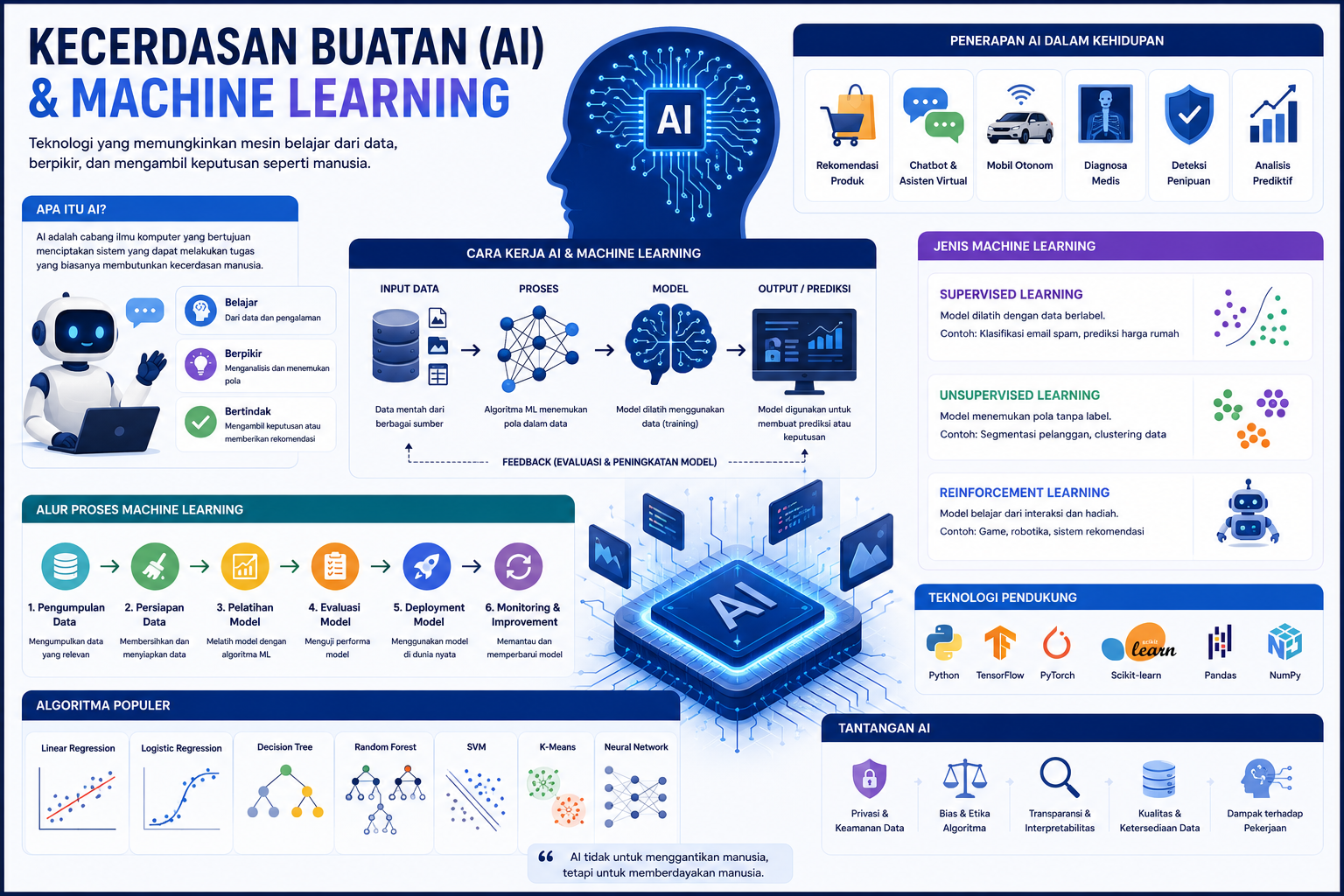
Moreover, generative AI models are moving beyond text and images. Code‑generation tools can produce functional snippets in multiple programming languages, dramatically reducing the time from concept to deployment. This trend is reflected in the rise of “AI‑first” startups that build entire products around generative models.
3. Edge Computing & 5G: Bringing Intelligence to the Periphery
While cloud computing remains the backbone of digital infrastructure, the proliferation of edge nodes—combined with 5G’s ultra‑low latency—has given rise to a new paradigm of distributed intelligence. Smart cities, autonomous vehicles, and industrial IoT now rely on edge processing to make split‑second decisions without sending every data point to a central server.
One striking example is the deployment of 5G‑enabled drones for agricultural monitoring. These drones collect multispectral imagery and process it on the edge, providing farmers with real‑time insights about crop health and irrigation needs. By eliminating the bottleneck of cloud transmission, farmers can react instantly, improving yield and resource efficiency.
4. Quantum Computing: The Next Frontier of Computational Power
Quantum computing has transitioned from theoretical labs to commercial pilot programs. Major cloud providers now offer quantum-as-a-service (QaaS), allowing businesses to run small-scale quantum algorithms on hybrid classical–quantum architectures. In 2026, the first quantum‑augmented cryptographic protocols are being tested in banking, promising unprecedented security against quantum‑era cyber threats.
While full‑scale, fault‑tolerant quantum machines are still years away, the current wave of “noisy intermediate‑scale quantum” (NISQ) devices is already delivering value in optimization problems, such as supply‑chain route planning and drug discovery simulations. The race to build a stable, scalable quantum computer has become a key battleground for tech giants and startups alike.
5. Blockchain & Decentralized Finance: From Speculation to Infrastructure
Blockchain technology is no longer confined to cryptocurrency speculation. It’s evolving into a robust infrastructure layer for identity, provenance, and cross‑border payments. Decentralized finance (DeFi) protocols now support “real‑world” assets—such as real estate, art, and even carbon credits—allowing fractional ownership and liquid markets.
The rise of interoperability layers—protocols that let disparate blockchains communicate—has further accelerated adoption. Projects like Polkadot and Cosmos are building a “blockchain internet,” enabling seamless data transfer across chains. This connectivity is essential for enterprise adoption, where legacy systems must coexist with new distributed ledgers.
6. Sustainable Tech: Green Computing and Circular Design
Climate change has become a central driver of tech innovation. Companies are investing in green data centers powered by renewable energy, and new silicon architectures are reducing power consumption by up to 70%. The concept of circular design is also gaining traction, where devices are engineered for easy disassembly, repair, and recycling.
In 2026, the Global Green Tech Index ranks companies based on their carbon footprint, energy efficiency, and circularity metrics. This index is influencing investment decisions, with venture capital funds increasingly allocating capital to startups that demonstrate measurable environmental impact.
7. Human‑Centric Design: Ethics, Accessibility, and Trust
As technology becomes more pervasive, the need for ethical design has never been clearer. Issues such as algorithmic bias, data privacy, and digital inequality are front and center in tech discussions. Initiatives like the Ethics in AI Consortium bring together academia, industry, and civil society to develop guidelines for responsible AI deployment.
Accessibility is another key focus. Voice assistants and augmented reality interfaces are being refined to serve people with diverse abilities. By embedding universal design principles from the outset, companies can broaden their user base and reduce the digital divide.
8. Future of Work: Hybrid, Autonomous, and Skill‑Based Economies
Remote work has become the norm, but the future is moving beyond simple telecommuting. Hybrid work models now integrate AI‑powered collaboration tools that adapt to team dynamics, automatically scheduling meetings based on availability and cognitive load.
Automation is reshaping the labor market. While routine jobs are increasingly automated, new roles—such as AI ethicists, quantum programmers, and sustainability analysts—are emerging. Upskilling and reskilling initiatives are becoming essential, with governments and corporations partnering to provide lifelong learning pathways.
9. Ethical AI and Digital Governance: A New Regulatory Landscape
The intersection of technology and policy is becoming more complex. The United Nations has issued a set of guidelines for AI governance, urging member states to adopt a coordinated approach to AI safety and human rights. These guidelines emphasize transparency, accountability, and public participation in AI development.
In the corporate sphere, companies are adopting AI governance frameworks that include risk assessment, impact analysis, and stakeholder engagement. These frameworks are designed not only to comply with regulations but also to build consumer trust in AI products.
10. Conclusion: Navigating the Tech Landscape with Insight and Caution
The latest tech news and trends paint a picture of rapid advancement coupled with growing awareness of ethical and environmental responsibilities. From edge computing to quantum breakthroughs, the landscape is both exciting and complex. For businesses, staying informed and adaptable is crucial. For individuals, understanding these trends empowers us to make better choices—whether it’s selecting a sustainable product, safeguarding our digital privacy, or investing in lifelong learning.
As we look ahead, the most successful players will be those who can balance innovation with responsibility, leveraging technology to create inclusive, sustainable, and resilient futures.
To dive deeper into how these trends are shaping the industry, check out our recent analysis on building a future with the latest innovations or explore the hidden architecture behind the digital revolution in our in‑depth feature.