The Pulse of 2026: A Deep Dive into the Latest Technology Trends
In the whirlwind of digital transformation, 2026 has emerged as a pivotal year where the convergence of artificial intelligence, quantum computing, and circular technology reshapes every sector. While headlines often spotlight singular breakthroughs, a holistic view reveals a tapestry of interlinked innovations that are redefining how we live, work, and interact with the world. This article unpacks the most influential tech trends of the year, offering a nuanced perspective on their implications and the unseen forces propelling them forward.
1. Generative AI: From Content Creation to Autonomous Decision‑Making
Generative AI has moved beyond chatbots and image generators into the realm of autonomous systems. By 2026, models like GPT‑5 and DALL·E‑3 are not only capable of producing human‑like text and visuals but are also integrated into decision‑support tools for finance, healthcare, and logistics. The key differentiator is the shift from “reactive” to “proactive” intelligence, where AI anticipates user needs and suggests optimal courses of action.
- Personalized Medicine: AI models analyze genomic data in real time, recommending tailored treatment plans that adapt as patient responses evolve.
- Supply Chain Optimization: Predictive algorithms forecast demand spikes, enabling just‑in‑time inventory management and reducing waste.
- Creative Industries: Artists collaborate with generative tools to produce hyper‑realistic audio‑visual content, blurring the line between human and machine creativity.
Despite the hype, challenges around data privacy, model bias, and regulatory frameworks remain at the forefront. Industry leaders are increasingly adopting “AI‑as‑a‑Service” platforms that embed explainability modules, ensuring that automated decisions can be audited and understood by stakeholders.
2. Edge Computing & the Rise of 6G
While cloud computing has dominated the last decade, the advent of 6G promises sub‑millisecond latency, making edge computing indispensable. By 2026, edge nodes are being deployed in smart cities, autonomous vehicles, and industrial IoT setups to process data locally, reducing bandwidth consumption and enhancing security.
Key developments include:
- Micro‑Data Centers: Compact, energy‑efficient facilities powered by renewable sources are sprouting across urban landscapes.
- AI‑Accelerated Chips: On‑device processors can run complex neural networks, enabling real‑time analytics without cloud dependence.
- Hybrid Cloud Strategies: Enterprises adopt hybrid models that combine edge and cloud resources, optimizing cost and performance.
These advancements not only support high‑bandwidth applications like augmented reality but also bolster cybersecurity by localizing sensitive data processing.
3. Quantum Computing: From Theory to Practical Deployment
Quantum computing has transitioned from laboratory curiosity to a nascent but impactful technology. In 2026, several companies have demonstrated quantum‑enhanced optimization for logistics, drug discovery, and cryptography.
Notable milestones:
- Quantum‑Aided Drug Design: Pharmaceutical firms use quantum simulations to model protein folding, accelerating the identification of viable drug candidates.
- Post‑Quantum Cryptography: Governments and enterprises are beginning to adopt algorithms resistant to quantum attacks, ensuring long‑term data security.
- Hybrid Classical‑Quantum Workflows: Developers leverage cloud‑based quantum services to solve sub‑problems, integrating results back into classical systems.
While scalability remains a hurdle, the rapid iteration of qubit coherence times and error correction techniques signals a future where quantum solutions become mainstream.
4. Blockchain & Web3: Decentralization Meets Usability
Blockchain technology has matured into a versatile backbone for decentralized finance (DeFi), non‑fungible tokens (NFTs), and identity management. The Web3 paradigm, which emphasizes user ownership and data sovereignty, is gaining traction across sectors.
To illustrate the current landscape, 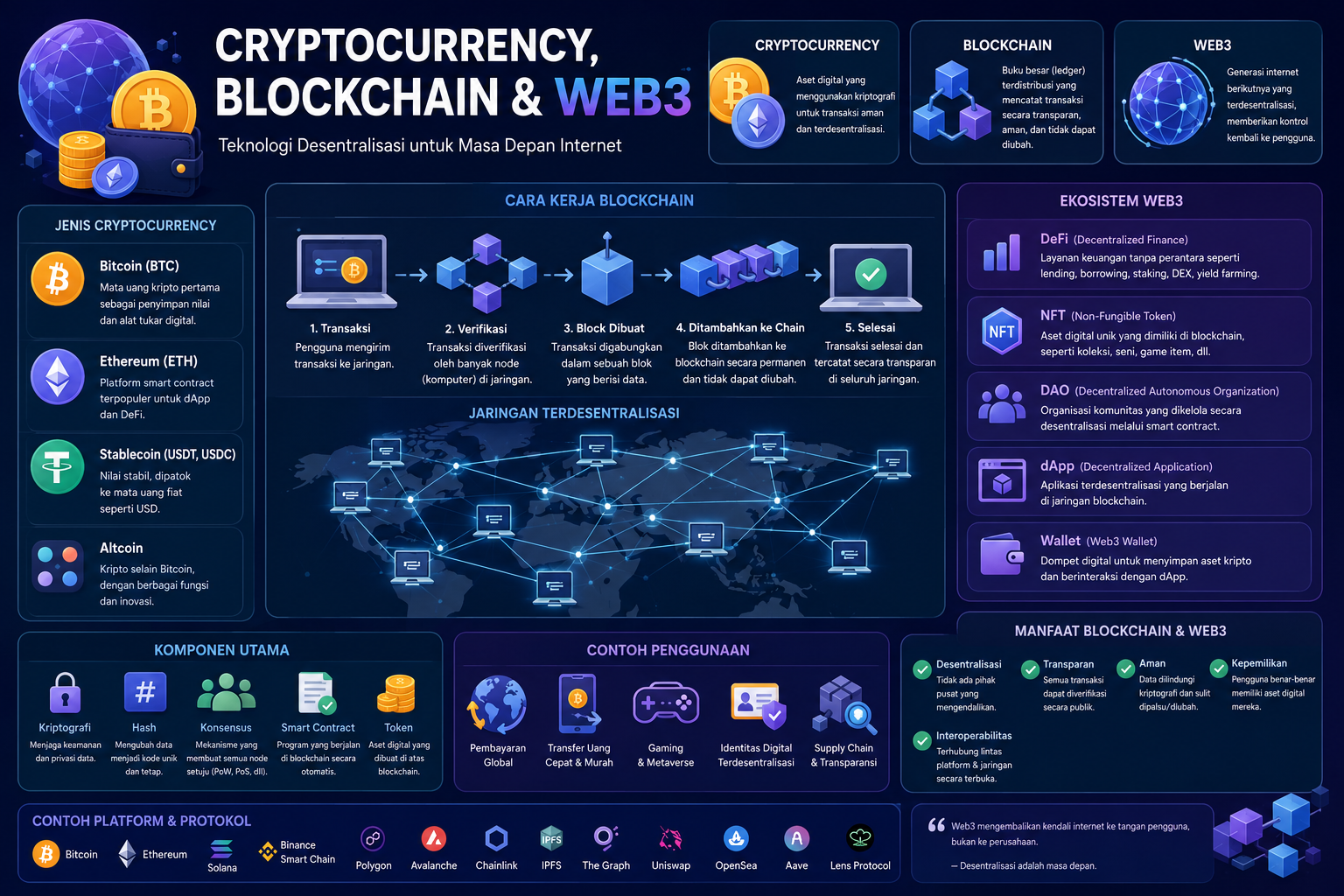
- Layer‑2 Scaling: Solutions like roll‑ups and sidechains reduce transaction costs and improve throughput, making blockchain more consumer‑friendly.
- Interoperability Protocols: Projects such as Polkadot and Cosmos enable seamless asset transfer across disparate blockchains.
- Regulatory Clarity: Governments are crafting frameworks that balance innovation with consumer protection, fostering mainstream adoption.
While the hype around NFTs has subsided, the underlying technology is now being leveraged for supply chain traceability, digital rights management, and decentralized autonomous organizations (DAOs).
5. Circular Tech: The Sustainability Imperative
The “Circular Tech” movement is reshaping product design and lifecycle management. Instead of the traditional linear “take‑make‑dispose” model, companies are embracing circular principles that prioritize reuse, refurbishment, and recycling.
- Hardware-as-a-Service: Manufacturers offer devices on subscription models, ensuring components are refurbished or recycled at the end of the lifecycle.
- Closed‑Loop Supply Chains: AI tracks material flows, enabling real‑time adjustments that minimize waste.
- Carbon‑Neutral Data Centers: Edge nodes powered by solar and wind reduce the carbon footprint of digital infrastructure.
According to a recent analysis, circular tech initiatives could reduce global CO₂ emissions by up to 30% by 2030.
6. Autonomous Systems: The New Frontier of Mobility and Manufacturing
Autonomous technology has expanded beyond self‑driving cars to include drones, robotic process automation (RPA), and autonomous factories. In 2026, the integration of AI, edge computing, and 5G/6G connectivity has accelerated deployment across industries.
- Urban Air Mobility: Electric vertical take‑off and landing (eVTOL) vehicles are testing routes in major cities, promising reduced congestion.
- Smart Manufacturing: AI‑driven robots collaborate with human workers in flexible production lines, increasing efficiency and safety.
- Agricultural Automation: Drones and autonomous tractors optimize planting, fertilization, and harvesting, boosting yields while conserving resources.
Safety standards and ethical considerations remain paramount as the number of autonomous agents on the road and in factories rises.
7. AI Ethics & Governance: A Parallel Evolution
With AI’s growing influence, ethical frameworks are becoming as critical as technological breakthroughs. 2026 has seen the rise of global coalitions aimed at establishing transparent AI governance.
- Explainable AI (XAI): Tools that provide human‑readable explanations for model decisions are becoming industry standards.
- Bias Mitigation: Data scientists employ techniques like counterfactual fairness to reduce discrimination in AI outcomes.
- Regulatory Sandboxes: Governments offer controlled environments where AI solutions can be tested before full deployment.
These efforts help build public trust and ensure that technological progress aligns with societal values.
8. The Role of 5G/6G in Enabling Digital Ecosystems
5G infrastructure has become ubiquitous, but the impending rollout of 6G promises exponential gains in speed and reliability. The enhanced bandwidth will enable:
- Massive IoT Deployments: Thousands of sensors per square kilometer will feed real‑time analytics into smart city platforms.
- Immersive Experiences: Ultra‑low latency will make high‑definition virtual reality and holographic communication mainstream.
- Remote Operations: Tele‑presence robots and remote surgery will become more reliable, expanding access to specialized services.
As network infrastructure evolves, cybersecurity measures must also adapt to protect the increasingly interconnected digital fabric.
9. The Future of Work: Hybrid, Remote, and Digital
Technology has fundamentally altered workplace dynamics. Remote and hybrid models are no longer optional but essential for resilience. Key trends include:
- Virtual Collaboration Platforms: AI‑enhanced meeting tools provide real‑time transcription, sentiment analysis, and action‑item tracking.
- Digital Twins: Organizations create virtual replicas of physical assets to simulate performance and identify maintenance needs.
- Skill Decarbonization: Continuous learning platforms powered by AI help employees upskill in emerging technologies.
These shifts demand robust digital literacy programs and inclusive policies to ensure equitable access to opportunities.
10. Conclusion: Navigating the Complex Tech Landscape
2026 is a year of convergence: AI, quantum, blockchain, and circular tech are not isolated silos but interwoven strands shaping a sustainable, efficient, and inclusive digital future. While the pace of innovation is exhilarating, it also brings responsibilities—ethical governance, regulatory alignment, and equitable access must accompany technological progress.
To explore how circular technology is redefining our digital footprint, check out our comprehensive analysis in Berita & Tren Teknologi Terkini 2026: Revolusi Sirkular yang Mengubah Cara Kita Hidup. For a deeper dive into the hidden drivers behind this digital revolution, read Технологии 2026: Позади Инноваций – Скрытые Двигатели Цифровой Революции.
As we stand on the cusp of unprecedented technological change, staying informed and adaptable is more crucial than ever. Embrace the trends, understand their implications, and shape the future you envision.