The Invisible Currents: Uncovering the Hidden Drivers Behind 2026's Most Disruptive Tech Trends
Introduction: Beyond the Headlines
Every year, the technology industry is flooded with buzzwords and revolutionary promises. In 2026, we hear a lot about Artificial Intelligence (AI), Digital Finance, and various smart devices. However, if we only focus on the surface, we will miss the biggest story. The real revolution isn't happening in plain sight; it's occurring in the hidden infrastructure and invisible systems working behind the scenes.
This article will dive deep into the latest technology news and trends, but with a unique twist. We won't just discuss what is visible; we will uncover the "unseen drivers" that are shaping our digital future.
1. The Rise of Invisible Architecture
When we talk about hidden architecture, we refer to the foundational systems that are not directly visible to end-users. In 2026, this architecture includes decentralized networks, edge computing protocols, and automated orchestration layers.
While consumers enjoy the smooth experience of an application, thousands of microservices work non-stop in the background. For example, when you make a digital payment, the process is not just a simple transfer of value. There is a complex validation, routing, and settlement system that takes place in milliseconds. This system is the "invisible current" that keeps the digital economy flowing.

2. AI and Digital Finance: A Symbiotic Relationship
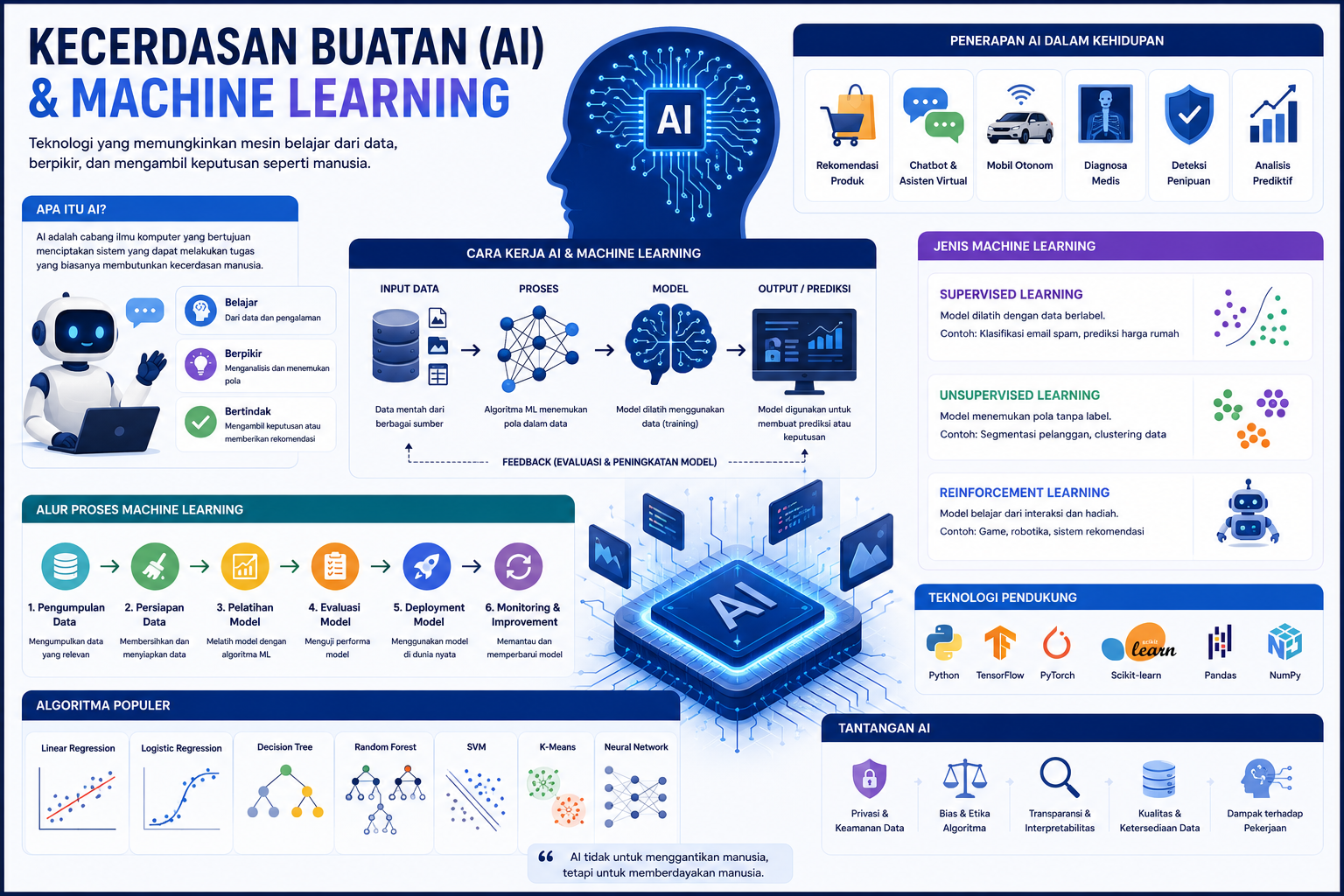
One of the hottest topics in AI and digital finance is no longer just about chatbots or simple automation. In 2026, AI has become the "brain" behind risk management, fraud detection, and high-frequency trading.
- Predictive Analysis: AI models now process unstructured data (such as news sentiment and social media trends) to predict market movements before they happen.
- Smart Contracts 2.0: Integrating AI into smart contracts allows for dynamic agreements that can adapt to real-world conditions without human intervention.
- Hyper-Personalization: Financial services are now tailored to the individual level, with AI managing portfolios based on personal life events and spending habits.
This symbiotic relationship means that technology is no longer just a tool, but an autonomous partner in financial decision-making.
3. The "Unseen Drivers" of Innovation
Why are some technologies able to grow exponentially while others fade away? The answer lies in the unseen drivers—the core components that support the entire ecosystem.
One often overlooked driver is synthetic data. To train advanced AI, massive amounts of data are required. However, privacy regulations and data scarcity are major obstacles. Synthetic data, which is artificially generated but retains the statistical properties of real data, has become a game-changer. It allows AI to learn and evolve without compromising personal privacy.
Furthermore, interoperability protocols are the unsung heroes. In a world of fragmented blockchains and isolated cloud platforms, protocols that allow different systems to communicate seamlessly are the true drivers of mass adoption.
4. The Evolution of Digital Payment Systems
Digital payments are not new, but the underlying architecture has undergone a massive transformation. We have moved from the era of simple e-wallets to a complex digital wave of interconnected systems.
In 2026, the focus is on invisible payments. Imagine buying a coffee and paying for it automatically via a biometric sensor connected to your digital identity, without needing to pull out your phone or card. This requires incredibly sophisticated backend logic, including PPOB system architecture (Payment Point Online Banking) which integrates various billing, validation, and settlement channels in real-time.
The challenge is no longer the user interface, but how to ensure security, speed, and reliability across millions of transactions per second.
5. Conclusion: Preparing for the Future
The latest technology trends and news are not just about the flashiest gadgets or the most popular apps. They are about the evolution of the underlying systems that support our digital lives. From hidden AI algorithms to sophisticated digital finance infrastructures, the future is being built on these invisible currents.
To stay relevant, professionals and businesses must look beyond the surface. Understanding the "unseen drivers" will be the key to navigating the complex and highly competitive 2026 technology landscape. The revolution is silent, but its impact is deafening.