The Hidden Forces: Deconstructing the Core Architectures Shaping Modern Technology Trends
In an era defined by rapid technological advancement, the headlines often spotlight impressive new applications—generative AI producing breathtaking art, immersive virtual realities blurring lines with the physical world, or groundbreaking advancements in healthcare driven by data. Yet, beneath this visible layer of innovation lies a complex, often unseen tapestry of architectural shifts and foundational technologies that truly propel these trends. This article ventures beyond the buzzwords to explore the core, hidden forces and underlying architectures that are not just supporting but actively shaping the latest technology trends, offering a unique perspective on the digital evolution.
Understanding these invisible underpinnings is crucial for anyone seeking to grasp the true direction of technological progress. It's about recognizing the engines powering the innovations, the structural changes enabling unprecedented capabilities, and the systemic shifts that are quietly redefining our digital future. From the intricate neural networks of AI to the nascent but potent infrastructure of quantum computing, and the decentralized ledgers reshaping trust, these architectural evolutions are the real story behind today's tech breakthroughs.
The Invisible Architecture of AI: Beyond the Algorithms
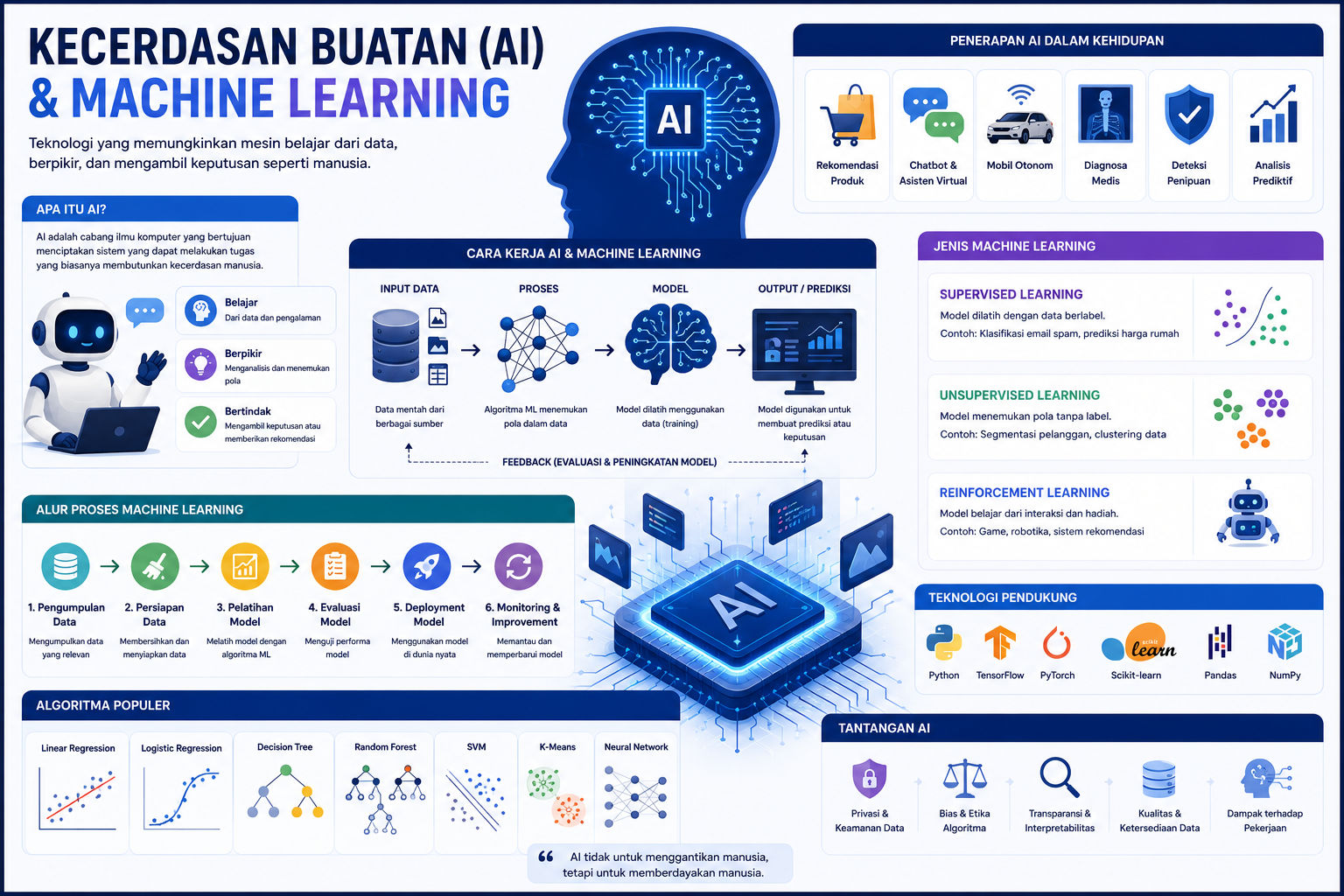
When we talk about Artificial Intelligence, especially the leaps seen in generative models and sophisticated predictive analytics, the focus often drifts to the algorithms themselves. However, the true revolution lies in the invisible architectures propelling current tech trends. These encompass massive, distributed computing infrastructures, specialized hardware like GPUs and TPUs, vast reservoirs of curated data, and sophisticated data pipelines that feed and train these models. The sheer scale and complexity of these systems are staggering, often involving thousands of processors working in parallel across geographically dispersed data centers.
The foundational shift is not just in *what* AI can do, but *how* it's built and sustained. Consider the data architecture: effective AI demands enormous volumes of high-quality, diverse, and unbiased data. The processes of data collection, labeling, storage, and retrieval are intricate architectural feats in themselves. Furthermore, the development of MLOps (Machine Learning Operations) has become an essential architectural component, ensuring that AI models can be seamlessly developed, deployed, monitored, and maintained in production environments, thereby bridging the gap between research and real-world application.
This "invisible infrastructure" dictates the pace of AI innovation. Advances in semiconductor technology, novel memory architectures, and energy-efficient computing are as critical to AI's future as any algorithmic breakthrough. The convergence of these elements creates a powerful, scalable foundation upon which next-generation AI applications are being built, extending their reach into every industry from healthcare to finance.
Quantum Computing's Silent Surge: Re-imagining Computational Foundations
While still in its nascent stages, quantum computing represents perhaps the most profound architectural shift on the horizon. Unlike classical computers that rely on bits representing 0s or 1s, quantum computers leverage qubits that can exist in multiple states simultaneously (superposition) and interact in complex ways (entanglement). This fundamental difference in computational architecture opens the door to solving problems currently intractable for even the most powerful supercomputers, from drug discovery and material science to complex financial modeling and cryptography.
The trend here isn't about widespread commercial application yet, but rather the intense, foundational research and development happening globally. Companies and governments are pouring resources into building stable quantum processors, developing error-correction techniques, and creating quantum algorithms. The architectural challenge is immense: maintaining quantum coherence, engineering robust hardware that operates at near-absolute zero temperatures, and developing software stacks that can translate classical problems into quantum solutions. This hidden revolution shaping our digital landscape promises a paradigm shift in computation, demanding a complete re-evaluation of our digital infrastructure.
The impact of quantum computing will not be a sudden disruption but a gradual integration, initially augmenting classical computation for specific, high-value tasks. Its architectural evolution will influence cryptography (post-quantum cryptography), data processing, and even AI, creating hybrid computing models that blend classical and quantum strengths.
Blockchain Beyond Crypto: Reshaping Trust Architectures
The narrative around blockchain technology has often been dominated by cryptocurrencies and speculative trading. However, a significant underlying trend is the evolution of blockchain as a foundational architecture for trust and transparency across various sectors. Beyond digital currencies, blockchain offers a decentralized, immutable ledger system that can record transactions or data points without the need for a central authority.
This architectural shift is profound because it fundamentally alters how trust is established and maintained in digital interactions. Applications are emerging in supply chain management (tracking goods from origin to consumer), digital identity (self-sovereign identity), intellectual property rights, and even secure voting systems. The architectural strength lies in its cryptographic security, distributed consensus mechanisms, and the ability to create smart contracts—self-executing agreements whose terms are directly written into code.
While challenges remain regarding scalability, energy consumption (for certain types of blockchains), and regulatory clarity, the underlying architectural principles of decentralization and immutability are gaining traction. Enterprise blockchains, permissioned networks, and hybrid models are being developed to address specific industry needs, paving the way for a more secure and transparent digital infrastructure that minimizes reliance on intermediaries.
The Ubiquitous Edge: Decentralizing Intelligence and Processing
For years, cloud computing has been the dominant architectural paradigm, centralizing data storage and processing in large data centers. However, a powerful counter-trend—edge computing—is rapidly gaining momentum, driven by the proliferation of IoT devices, 5G networks, and the demand for real-time processing. Edge computing involves bringing computation and data storage closer to the data sources, at the "edge" of the network.
This architectural decentralization is critical for applications where latency is paramount, such as autonomous vehicles, industrial automation, augmented reality, and real-time analytics. By processing data locally, edge devices can make quicker decisions, reduce bandwidth usage to the cloud, and enhance data privacy and security. The trend is not about replacing the cloud but rather creating a symbiotic, distributed architecture where the edge handles immediate, localized processing, while the cloud manages long-term storage, complex analytics, and global coordination.
The architectural implications are vast, requiring new hardware designs for rugged environments, specialized software for distributed intelligence, and robust security protocols for a fragmented attack surface. The synergy between 5G's high bandwidth and low latency, combined with edge computing, is creating a powerful new infrastructure for truly intelligent and responsive environments, pushing processing power and AI capabilities to every corner of our physical world.
Sustainable Tech: The Green Imperative in Innovation
While not a technology trend in itself, sustainability is increasingly becoming an architectural imperative for all technological development. The immense energy consumption of data centers, AI training, and cryptocurrency mining has brought environmental impact to the forefront. Consequently, a major underlying trend is the architectural shift towards "green computing" and sustainable technology practices.
This involves designing energy-efficient hardware, optimizing software for reduced computational load, leveraging renewable energy sources for data centers, and developing more sustainable manufacturing processes for electronic devices. The drive towards carbon-neutral or carbon-negative technology is influencing architectural decisions from chip design to cloud infrastructure deployment. For instance, companies are investing in liquid cooling for servers, exploring geothermal data centers, and developing algorithms that can achieve similar results with fewer computational resources.
The future of technology architecture will undoubtedly integrate environmental impact as a core design principle, moving beyond mere efficiency to a holistic approach that considers the entire lifecycle of digital infrastructure and devices. This imperative will drive innovation in materials science, energy management, and resource optimization, fundamentally reshaping how technology is built and consumed.
The Human-Centric Design Shift: Ethics and Experience as Architectural Pillars
As technology becomes more deeply embedded in daily life, a crucial, albeit abstract, architectural trend is the increasing emphasis on human-centric design, ethics, and responsible AI. This isn't about new hardware or software directly but about the foundational principles guiding their development and deployment. It involves baking considerations of privacy, fairness, transparency, and user well-being into the very architecture of systems.
The architectural implications include designing systems with explainable AI (XAI) capabilities, creating transparent data governance frameworks, building privacy-by-design into every component, and developing robust security architectures that protect user data. The trend reflects a growing recognition that technological advancement must align with societal values and human needs, moving away from a purely feature-driven approach.
This shift influences the very structure of data collection, algorithmic training, and user interface design. It demands interdisciplinary collaboration, integrating insights from psychology, ethics, and social sciences into engineering and development processes. Ultimately, the architecture of future technology will be measured not just by its power and efficiency, but by its ethical robustness and its capacity to serve humanity responsibly.
Conclusion: The Blueprint of Tomorrow
The latest technology trends are far more than just surface-level innovations; they are manifestations of profound shifts in underlying architectures. From the colossal computing infrastructures powering AI to the nascent quantum machines challenging the limits of computation, the decentralized trust systems of blockchain, the ubiquitous intelligence of edge computing, and the critical drive towards sustainability and human-centric design, these hidden forces are the true architects of our digital future.
To truly understand where technology is headed, we must look beyond the gleaming new gadgets and captivating applications. We must delve into the intricate blueprints, the complex systems, and the foundational principles that are silently, yet powerfully, reshaping our world. It is in these architectural evolutions that the real story of technological progress unfolds, laying the groundwork for innovations we can only begin to imagine.