Breaking Down the Current Tech Landscape: A Deep Dive into 2026 Trends
In the fast‑moving world of technology, staying ahead of the curve requires more than just following headlines. It demands a holistic understanding of the underlying forces that shape the digital ecosystem. This article explores the most influential news and trends that are redefining technology in 2026, from the explosive rise of AI and machine learning to the quiet revolution of edge computing and green tech. We’ll also examine how these developments are reshaping industries, governance, and everyday life.
1. Artificial Intelligence & Machine Learning: The New Workhorse
Artificial Intelligence (AI) continues to be the backbone of innovation across sectors. In 2026, we see a shift from narrow AI to more generalized models that can adapt to diverse contexts with minimal human intervention. The integration of reinforcement learning, multimodal data processing, and explainable AI (XAI) has made these systems more transparent and trustworthy.
One of the most exciting breakthroughs is the advent of “AI‑as‑a‑Service” (AIaaS) platforms that democratize access to advanced models. Companies no longer need to build and train large neural networks from scratch; instead, they can plug into pre‑trained, continuously updated models via APIs. This trend is driving a surge in AI‑powered applications—from personalized healthcare diagnostics to automated content creation for marketing teams.
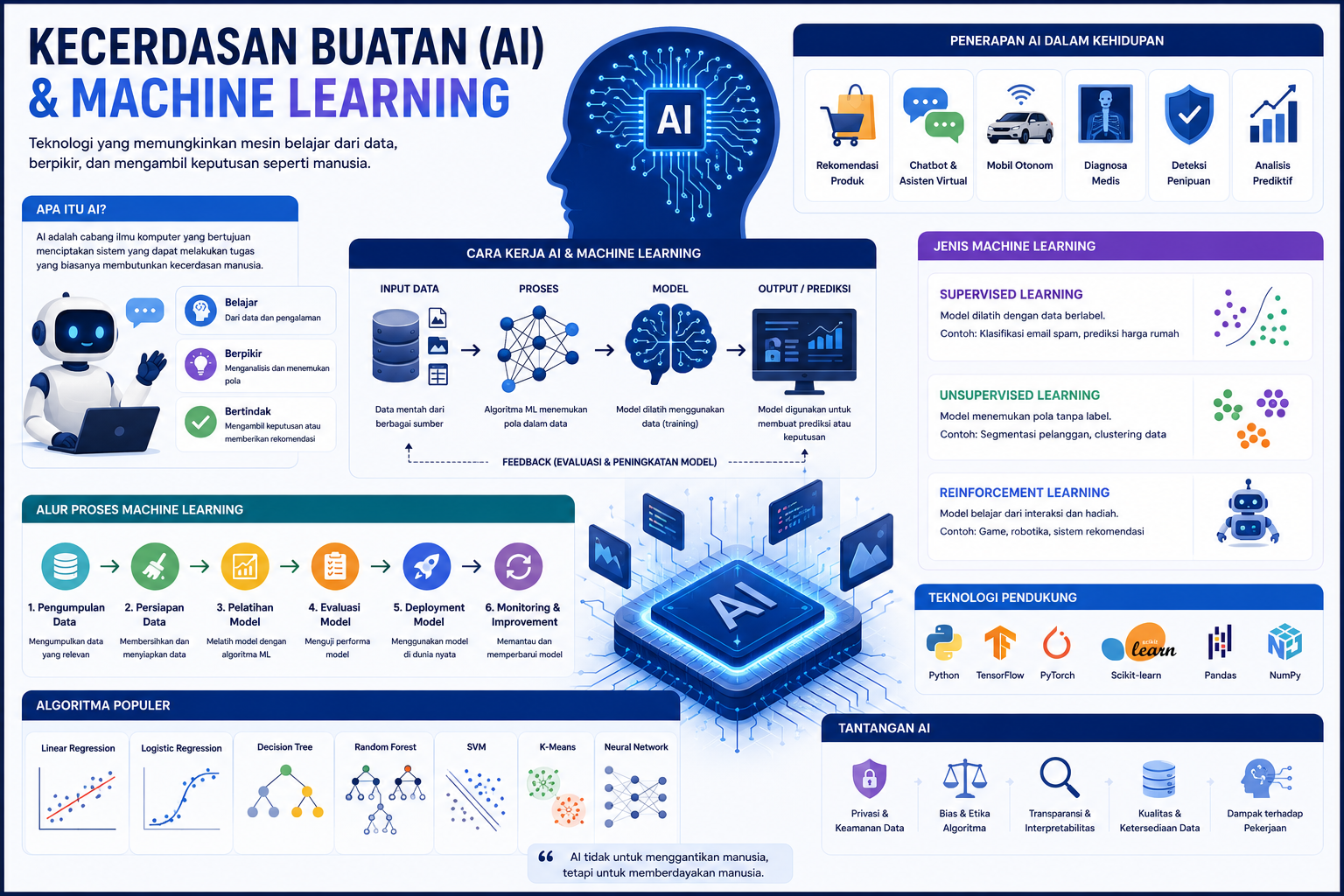
Meanwhile, the regulatory landscape is catching up. Governments worldwide are implementing frameworks to ensure AI ethics, privacy, and accountability. These policies are not only safeguarding users but also fostering a culture of responsible innovation.
2. Edge Computing & the Decentralized Internet
While cloud computing remains the backbone of enterprise IT, edge computing is now the catalyst for real‑time processing and low‑latency applications. With the proliferation of IoT devices and the rollout of 5G and 6G networks, data is being generated at unprecedented volumes. Edge nodes—small, distributed servers located close to data sources—are handling computations on the spot, reducing bandwidth costs and improving responsiveness.
Industry 4.0 is a prime beneficiary of this shift. Smart factories leverage edge analytics to optimize production lines, predict equipment failures, and manage supply chains with near‑zero latency. Similarly, autonomous vehicles depend on edge processing for split‑second decision making, ensuring safety and reliability on the road.
3. Blockchain & Web3: From Speculation to Infrastructure
Blockchain technology has moved beyond its cryptocurrency origins. In 2026, decentralized finance (DeFi) platforms are integrating with traditional banking systems, offering seamless cross‑border payments, micro‑loans, and tokenized assets. The rise of non‑fungible tokens (NFTs) has also expanded into real‑world applications such as digital twins for asset tracking and provenance verification in supply chains.
Web3, the vision of a decentralized internet, is gaining traction as developers build interoperable protocols that empower users with ownership of their data. The adoption of layer‑2 scaling solutions and zero‑knowledge proofs has dramatically improved transaction speeds and privacy, making blockchain a viable backbone for enterprise applications.
For those interested in the deeper mechanics behind these shifts, check out our in‑depth analysis on the Invisible Currents Driving the 2026 Digital Shift.
4. Quantum Computing: The Next Frontier
Quantum computing, once a theoretical curiosity, is inching closer to commercial reality. 2026 marks a significant milestone with the deployment of quantum‑enhanced machine learning algorithms that can solve optimization problems exponentially faster than classical computers. Industries such as pharmaceuticals, logistics, and finance are already piloting quantum solutions to accelerate drug discovery, route planning, and risk analysis.
Despite the hype, practical challenges remain—error correction, qubit coherence, and hardware scalability. Nonetheless, the pace of research is accelerating, and governments are investing heavily in quantum research centers to secure a competitive edge.
5. Sustainability & Green Technology: Tech That Protects the Planet
Climate change has become a central driver of tech innovation. The convergence of AI, IoT, and renewable energy is creating “smart grids” that dynamically balance supply and demand while minimizing carbon footprints. Energy‑efficient data centers powered by renewable sources and advanced cooling techniques are setting new benchmarks for sustainability.
Additionally, “green AI” initiatives are emerging to reduce the environmental impact of training large models. Techniques such as model distillation, federated learning, and energy‑aware hardware are being adopted to lower the carbon emissions associated with AI workloads.
6. The Rise of AI‑Driven Automation in Finance (FinTech)
FinTech is experiencing a renaissance thanks to AI and machine learning. Robo‑advisors are now employing sophisticated algorithms to tailor investment portfolios based on real‑time market data and individual risk appetites. Fraud detection systems use deep learning to identify anomalous transaction patterns with near‑zero false positives.
Moreover, the integration of blockchain with AI is opening new avenues for secure, transparent, and automated smart contracts. These contracts can self‑execute based on predefined conditions, reducing the need for intermediaries and cutting transaction costs.
7. The Human Factor: Reskilling and Workforce Transformation
As automation and AI permeate every industry, the workforce is undergoing a profound transformation. Companies are investing in reskilling programs that focus on data literacy, AI ethics, and digital collaboration tools. Remote and hybrid work models, facilitated by cloud and edge technologies, are redefining office culture and geographic boundaries.
Educational institutions are also adapting, offering interdisciplinary programs that blend computer science with business, policy, and design. This holistic approach ensures that future professionals can navigate the complex intersection of technology and society.
8. Cybersecurity: The New Battleground
With digital transformation accelerating, cybersecurity has become a top priority. The rise of AI‑driven attacks and sophisticated phishing campaigns requires equally advanced defensive measures. Zero‑trust architectures, AI‑based threat detection, and secure multi‑party computation are becoming standard practices.
Regulatory frameworks such as the EU’s Digital Services Act and the US’s Cybersecurity and Infrastructure Security Agency (CISA) guidelines are setting stringent compliance requirements. Companies that fail to meet these standards risk hefty fines and reputational damage.
9. The Role of 5G and the Upcoming 6G
5G has already transformed connectivity, enabling high‑bandwidth applications like VR/AR, autonomous vehicles, and real‑time analytics. However, the industry is already eyeing 6G, which promises terabit speeds, ultra‑low latency, and network slicing capabilities. These advancements will unlock new use cases such as holographic communications and global IoT connectivity.
Telecommunication providers are investing in edge infrastructure to support these networks, creating a symbiotic relationship between 5G/6G and edge computing.
10. Conclusion: Navigating the Future with Insight
The technology landscape in 2026 is a tapestry of interconnected innovations. AI and machine learning are becoming mainstream, while edge computing and 5G provide the necessary infrastructure for real‑time applications. Blockchain and Web3 are moving from hype to practical use, and quantum computing is poised to revolutionize problem‑solving. Sustainability remains a guiding principle, ensuring that progress does not come at the expense of the planet.
For those looking to understand the invisible forces behind these shifts, our comprehensive review on Menyingkap Arsitektur Tersembunyi di Balik Revolusi Digital 2026 offers an in‑depth perspective on how hidden architectures are shaping our digital future.
Staying informed and adaptable is the key to thriving in this rapidly evolving ecosystem. Whether you’re a technologist, entrepreneur, or policy maker, the insights from these emerging trends will help you navigate the complexities and seize opportunities that lie ahead.