Unveiling the Hidden Currents: Unique Insights into 2026’s Technology Trends
Introduction: Beyond the Surface of Tech Trends
In 2026, the landscape of technology is not merely about the latest gadgets or incremental software updates. It’s a confluence of unforeseen drivers reshaping industries and daily life. From AI-driven creativity to quantum leaps in computing, the trends are as transformative as they are unpredictable. This article delves into these hidden currents, offering a deeper analysis of how technology is evolving in ways that challenge conventional wisdom.
The Rise of AI as a Creative Collaborator
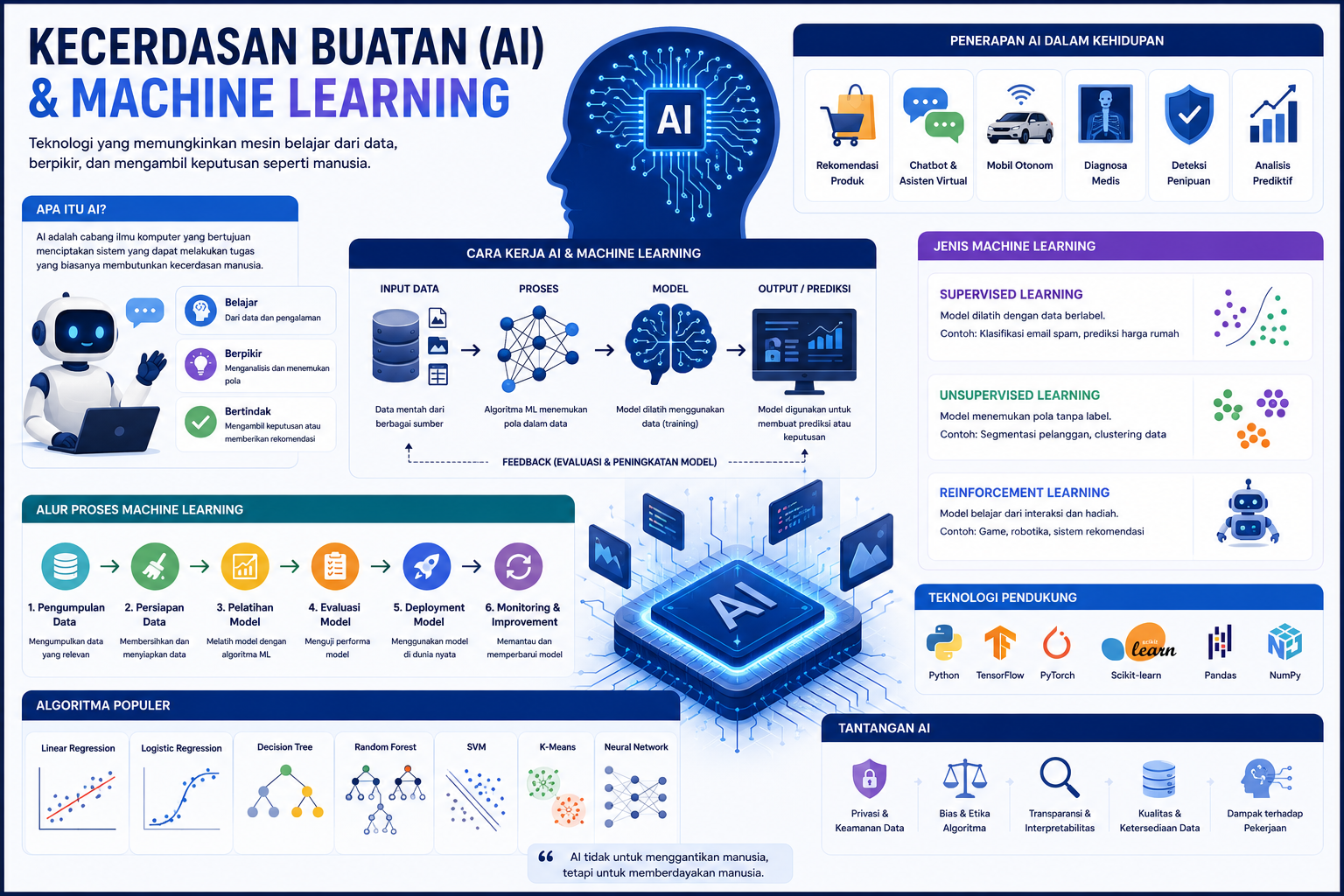
Artificial Intelligence (AI) has transcended its traditional role as a tool for automation. In 2026, AI is emerging as a creative collaborator, co-authoring novels, composing symphonies, and even designing fashion. Tools like Generative AI are no longer confined to tech labs; they’re integrated into educational institutions and creative studios. For instance, the digital innovation ecosystems in Seoul are leveraging AI to foster interdisciplinary projects, blending art, science, and engineering in unprecedented ways.
This shift raises intriguing questions about authorship and intellectual property. As AI systems learn from human inputs, the line between creator and machine blurs. Legal frameworks are struggling to keep pace, highlighting the need for global standards in AI ethics.
Quantum Computing: The Next Frontier
While quantum computing is still in its infancy, 2026 marks a pivotal year for its practical applications. Companies like IBM and Google have unveiled quantum processors capable of solving problems deemed impossible for classical computers. These advancements are not just theoretical; they’re being applied to complex simulations in climate science, drug discovery, and cryptography.
For example, quantum algorithms are now accelerating protein folding simulations, revolutionizing pharmaceutical research. However, the technology’s potential to break current encryption standards poses a security paradox: while it enhances cybersecurity in some areas, it threatens others. This duality demands a reevaluation of global digital infrastructure.
Blockchain Beyond Cryptocurrency: Decentralized Governance
Blockchain technology, once synonymous with Bitcoin, is now redefining governance and transparency. In 2026, decentralized autonomous organizations (DAOs) are gaining traction in sectors like public administration and supply chain management. These blockchain-based systems allow for real-time decision-making and fraud detection, as seen in Singapore’s smart city initiatives.
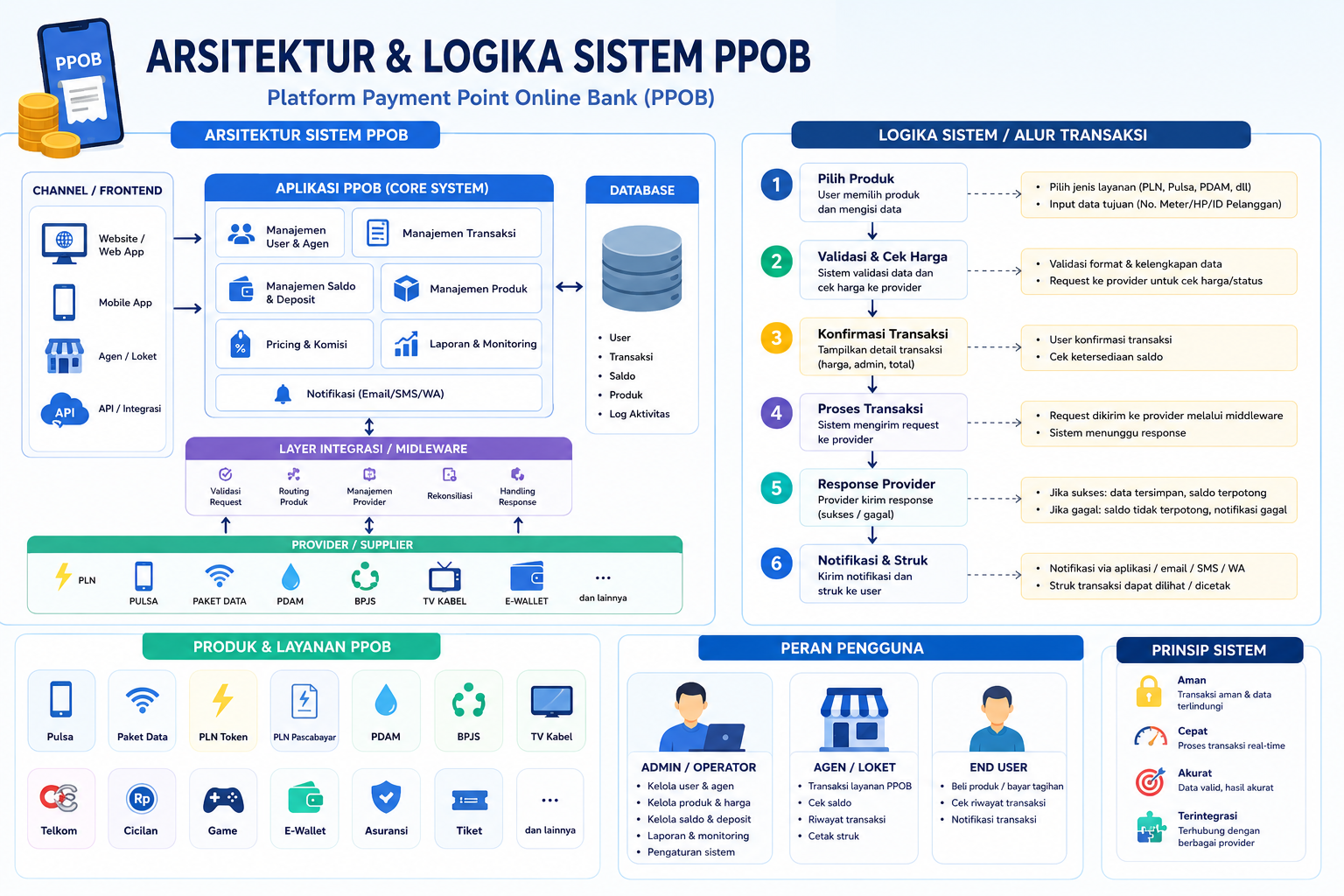
A notable example is the use of blockchain in land registry systems, where immutable records reduce corruption and streamline property transactions. However, challenges like energy consumption and regulatory resistance persist, underscoring the need for hybrid models that balance innovation with sustainability.
The Ethical Quandaries of Technological Progress
As technology advances, ethical dilemmas multiply. AI bias, data privacy, and the digital divide are no longer niche concerns—they’re critical issues demanding immediate attention. For instance, facial recognition systems have shown racial and gender biases, raising alarms about their use in law enforcement and hiring processes.
2026 also witnesses the rise of tech ethics councils within corporations, tasked with auditing algorithms and ensuring equitable AI. These councils, while a step forward, often face criticism for lacking independence and transparency. The path to ethical tech requires collaboration across governments, academia, and industry.
Conclusion: Navigating the Turbulent Waters
The technology trends of 2026 are as much about societal transformation as they are about technical innovation. From AI’s creative potential to quantum computing’s disruptive power, the future is being shaped by forces that are as complex as they are profound. As we navigate these turbulent waters, one thing is clear: the key to harnessing these trends lies in embracing interdisciplinary collaboration and ethical foresight.
For further exploration of these trends and their global implications, refer to the latest