The Unseen Currents: Decoding the Invisible Architectures Driving Modern Tech Trends
In a world increasingly shaped by algorithms and innovation, we often celebrate the dazzling outputs of technological advancement: faster phones, smarter homes, more immersive virtual realities. Yet, beneath this visible surface lies a complex tapestry of "invisible architectures"—foundational systems, underlying principles, and systemic shifts that quietly power the digital revolution. These are the unseen currents that truly dictate the direction, speed, and ethical implications of our technological future. To truly understand the latest technology news and trends, we must look beyond the gleaming new gadgets and delve into these foundational layers.
The year 2026 marks a pivotal moment where these underlying structures are becoming more sophisticated, interconnected, and impactful than ever before. It's not just about what technology can do, but how it's built, governed, and integrated into the very fabric of our society. This article explores these hidden architects, dissecting the less obvious forces that are redefining our digital landscape.
The Rise of Algorithmic Governance and AI's Subsurface Impact
Artificial Intelligence (AI) has moved far beyond being a mere tool; it is rapidly evolving into a governing force, subtly influencing decisions in finance, healthcare, urban planning, and even justice systems. The "invisible architecture" here isn't just the AI model itself, but the vast, intricate data pipelines, the training methodologies, and the often-opaque algorithms that dictate its behavior. What we see are intelligent chatbots or predictive analytics; what we don't always see are the biases embedded in training data, the energy consumption of massive neural networks, or the complex feedback loops that allow these systems to learn and adapt.
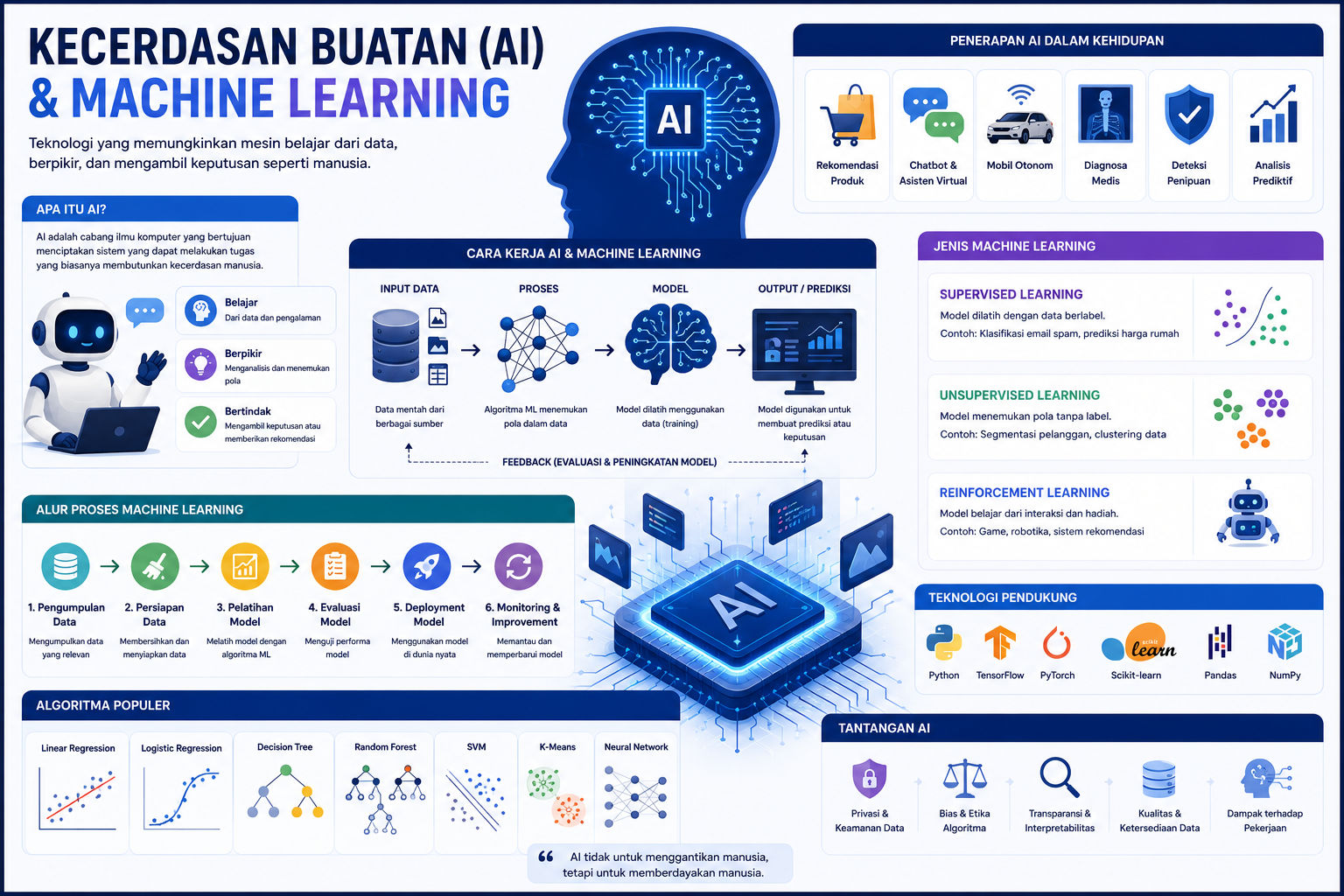
The true trend lies in the shift from AI as a feature to AI as an infrastructure. Companies are building entire operational frameworks around AI, not just individual applications. This means the principles of fairness, transparency, and accountability must be architected into the core design, not merely bolted on as an afterthought. Regulatory bodies globally are grappling with how to impose ethical guidelines on these self-learning, self-optimizing systems. The challenge is not just in identifying a biased outcome, but in tracing it back through layers of algorithmic complexity to its source, and then implementing systemic changes. This requires a new kind of digital literacy—one that understands the implications of algorithms not just as code, but as agents of societal change. Many of these underlying principles are explored in greater detail in discussions around the hidden architectures behind the digital revolution, emphasizing the need to look beneath the surface of innovation.
Quantum Computing and the Redefinition of Computational Foundations
While still largely in the realm of advanced research, quantum computing represents an ultimate "invisible architecture" in the making. It's not an incremental improvement over classical computing; it’s a fundamental paradigm shift. The current news often highlights breakthroughs in qubit stability or entanglement, but the real undercurrent is how quantum mechanics itself is being harnessed to rethink the very nature of computation. This will eventually enable calculations that are currently impossible, unlocking new frontiers in material science, drug discovery, and cryptography. The invisible here is the subatomic dance of particles, governed by principles alien to our everyday experience, yet poised to underpin future technological breakthroughs.
The trend isn't just about building functional quantum computers, but also about developing the new algorithms, programming languages, and error-correction techniques necessary to utilize their power. This requires a massive, ongoing intellectual investment that forms a critical, yet unseen, part of the current technology landscape. It's about designing a future computational backbone that operates on entirely different rules. The long-term implications for data security, AI capabilities, and scientific research are monumental, effectively resetting the foundational rules of digital processing.
Decentralization and the New Digital Infrastructures
Blockchain and distributed ledger technologies (DLTs) have often been associated with cryptocurrencies, but their true significance lies in their ability to create decentralized, tamper-proof digital infrastructures. This constitutes another powerful "unseen current" reshaping the internet. The trend is moving beyond speculative digital currencies to the application of decentralized principles in supply chain management, digital identity, data ownership, and even entirely new forms of governance (Decentralized Autonomous Organizations or DAOs).
What makes this an "invisible architecture" is that the average user interacts with the results—secure transactions, verifiable credentials—without necessarily understanding the intricate cryptographic proofs and distributed consensus mechanisms operating in the background. This fundamental shift towards verifiable, trustless systems is challenging traditional centralized models of power and control. It promises a more robust internet, resistant to single points of failure and censorship, but also introduces new complexities in regulation and scalability. The focus is now on developing robust, energy-efficient, and user-friendly decentralized protocols that can form the bedrock of the next generation of digital services. Understanding these shifts is crucial for grasping the invisible architectures driving the digital revolution and their profound impact on future interactions.
Sustainability Tech and the Green Undercurrents
As the urgency of climate change grows, technology is increasingly being deployed not just as a consumer product, but as an essential tool for planetary health. This represents a significant "green undercurrent" in the tech world. We see electric vehicles and solar panels, but the invisible architecture here involves smart grids, advanced sensor networks, AI-driven climate modeling, and biotechnology for sustainable agriculture. These are systems working in the background to optimize energy consumption, monitor environmental changes, and develop eco-friendly materials.
The trend is towards embedding sustainability into the core design of technological solutions, rather than treating it as an add-on. This includes developing low-power computing, improving resource efficiency in data centers, and creating digital twins of cities to optimize resource distribution. It's about building a digital infrastructure that supports a sustainable future, often operating without direct human intervention. This shift requires collaboration across industries, integrating data from diverse sources to create holistic solutions that are largely invisible to the end-user but deliver massive environmental benefits.
The Ethics of Innovation: Building Responsible Architectures
Perhaps the most critical, yet often overlooked, "invisible architecture" is the emerging framework of ethical considerations and regulatory policies. As technology becomes more pervasive, the societal implications—from data privacy to algorithmic bias, from digital addiction to the future of work—are increasingly coming under scrutiny. This has led to a global effort to build ethical guardrails and regulatory structures that guide technological development.
This invisible architecture includes new legislation (like GDPR or emerging AI acts), industry best practices, academic research into digital ethics, and the growing field of 'responsible AI' development. It’s a collective, ongoing effort to ensure that technological progress aligns with human values and societal well-being. This trend involves designing systems with 'privacy by design' and 'ethics by default,' pushing developers to consider potential harms from the outset. It's a continuous dialogue, shaping the invisible rules that govern how technology is created, deployed, and consumed, ensuring that innovation serves humanity rather than dominating it.
Convergent Technologies: The Intertwined Future
Individually, these "unseen currents" are powerful. Together, they form an incredibly complex, interconnected web, creating an even more profound "invisible architecture" of convergence. AI is powering quantum algorithm development, decentralized networks are providing secure infrastructure for ethical AI, and sustainability tech is leveraging advanced sensors and AI to optimize resource usage on a global scale. The boundaries between these different technological domains are blurring, creating synergistic effects that accelerate innovation in unprecedented ways.
This convergence means that understanding one trend in isolation is no longer sufficient. The true insights come from recognizing how these underlying architectures interact and reinforce each other. For instance, the future of personalized medicine isn't just about AI; it's about AI powered by quantum computing for complex simulations, operating on decentralized networks for patient data privacy, and optimizing resource use for sustainable healthcare delivery. This holistic view is essential to grasp the full scope of the digital revolution.
Conclusion: Navigating the Depths of Digital Transformation
The latest technology news and trends are more than just a parade of new products or viral innovations; they are manifestations of deeper, more fundamental shifts happening beneath the surface. The "unseen currents" of algorithmic governance, quantum foundations, decentralized infrastructures, sustainability integration, and ethical frameworks are the true architects of our digital future. By understanding these invisible architectures, we move beyond superficial observations to gain a profound insight into how technology is truly evolving and how it will reshape our world.
As we advance into 2026 and beyond, the ability to decode these hidden forces will be crucial for innovators, policymakers, and citizens alike. It empowers us not just to adapt to technological change, but to actively participate in shaping its direction, ensuring that the invisible hands guiding our digital revolution are indeed building a future that is intelligent, equitable, and sustainable.