The Pulse of 2026: Unpacking the Latest Tech News & Trends
In a world that feels increasingly hyper‑connected, the pace of technological change is no longer a matter of “what’s next” but a relentless march toward the future. 2026 is shaping up to be a watershed year where artificial intelligence, quantum computing, and sustainable hardware converge with emerging business models to redefine how we live, work, and interact. This article dives deep into the most compelling stories and trends that are currently dominating the tech landscape, offering a unique perspective on their implications for individuals, enterprises, and society at large.
1. Generative AI: From Art to Enterprise Automation
Generative AI has moved beyond the novelty of chatbots and text generators. The latest models—now capable of producing high‑fidelity audio, video, and even 3D assets—are being adopted across creative industries and corporate workflows. Companies are leveraging these tools to accelerate content creation, prototype design, and data‑driven decision making. At the same time, regulatory bodies are grappling with issues of copyright, data privacy, and algorithmic bias.
One notable development is the rise of “AI‑as‑a‑Service” platforms that bundle generative capabilities with industry‑specific datasets. For example, a fashion brand can generate realistic runway footage, while a pharmaceutical firm can simulate molecular interactions in seconds. The result is a democratization of expertise that previously required specialized talent and expensive lab equipment.
2. Edge Computing & 5G/6G Synergy
The rollout of 5G networks has already begun to unlock new use cases for edge computing, but 2026 is poised to see the first commercial deployment of 6G, promising latency below 1 ms and data rates in the terabits per second. This bandwidth leap will enable real‑time applications such as autonomous vehicle fleets, remote surgery, and immersive augmented reality experiences.
Edge AI—running inference directly on local devices—will become essential for maintaining privacy and reducing latency. In manufacturing, for instance, sensors on the production line can instantly detect defects, trigger corrective actions, and log data without routing through a central cloud server. This shift also reduces bandwidth costs and enhances resilience against network outages.
3. Quantum Computing: From Research Labs to Cloud APIs
While still in its infancy, quantum computing is moving from academic curiosity to a tangible business asset. Leading cloud providers now offer quantum‑as‑a‑service (QaaS) platforms that allow developers to experiment with quantum algorithms without owning a quantum machine. Financial institutions, for example, are exploring portfolio optimization, risk analysis, and cryptography using small‑scale quantum processors.
One breakthrough in 2026 is the development of hybrid classical‑quantum frameworks that enable seamless integration of quantum sub‑routines into existing software stacks. This lowers the barrier to entry and accelerates the adoption of quantum solutions across sectors such as logistics, drug discovery, and climate modeling.
4. Sustainable Hardware: The Rise of Eco‑Friendly Chips
As the environmental impact of data centers comes under scrutiny, chip manufacturers are investing heavily in low‑power, high‑efficiency designs. 2026 sees the introduction of silicon photonics and 3D‑stacked architectures that drastically reduce heat dissipation and power consumption. These innovations not only cut operational costs but also extend battery life for mobile devices.
Moreover, the industry is witnessing a shift toward circular manufacturing practices. Companies are incorporating recycled materials into chip fabrication and establishing take‑back programs for e‑waste. This aligns with global sustainability goals and resonates with increasingly eco‑conscious consumers.
5. Blockchain & Web3: Beyond Cryptocurrencies
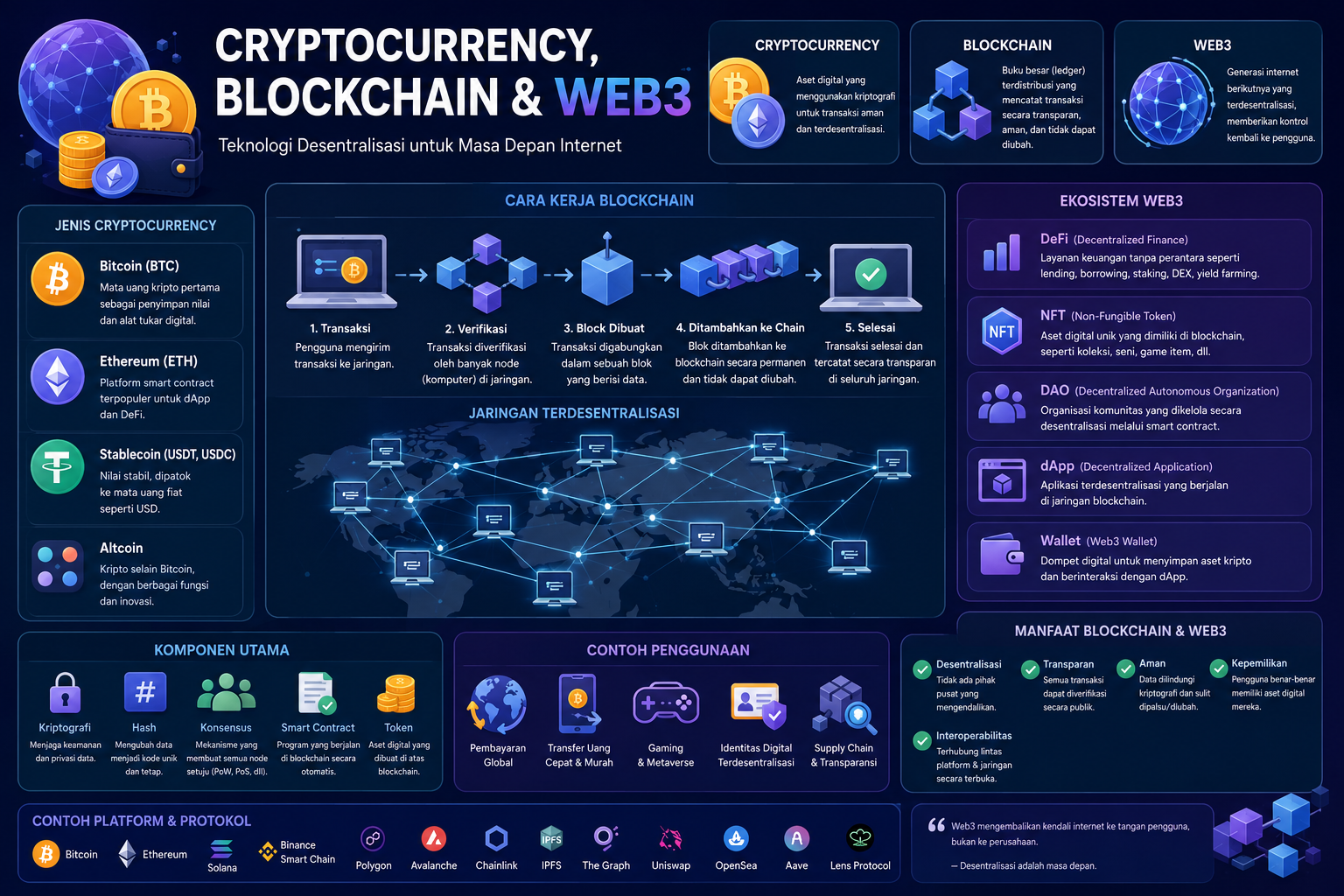
While the hype around Bitcoin and NFTs has largely subsided, blockchain technology is finding robust applications in supply chain traceability, decentralized finance (DeFi), and digital identity management. In 2026, interoperability protocols such as Polkadot and Cosmos are maturing, allowing disparate blockchains to communicate securely and efficiently.
Governments are also exploring “digital sovereign identity” solutions built on blockchain, enabling citizens to control their personal data while accessing public services. This trend underscores a broader shift toward decentralization, transparency, and user empowerment.
6. Metaverse & Immersive Experiences: A New Digital Frontier
The metaverse is no longer a speculative concept; it is becoming an integral part of corporate strategy, education, and entertainment. By 2026, platforms are offering cross‑platform avatars, persistent virtual worlds, and seamless integration with AR glasses. Businesses are creating virtual showrooms, training simulations, and collaborative workspaces that reduce travel costs and expand global reach.
However, the metaverse also raises questions around digital ownership, mental health, and digital divide. Policymakers are beginning to draft frameworks for virtual property rights and digital well‑being, ensuring that this new frontier is inclusive and secure.
7. AI Ethics & Governance: A Global Imperative
With AI systems influencing everything from hiring decisions to medical diagnoses, ethical frameworks are becoming a top priority. In 2026, several multinational coalitions have released guidelines that emphasize transparency, accountability, and human‑in‑the‑loop oversight. These standards aim to prevent bias, ensure data privacy, and promote explainability in AI models.
Companies adopting these principles are gaining competitive advantage by building trust with consumers and regulators. The alignment of ethical AI with business strategy is proving to be a catalyst for innovation and long‑term sustainability.
8. The Future of Work: Hybrid Models & Digital Nomadism
Technological advancements have accelerated the transition to hybrid work models. Remote collaboration tools powered by AI now offer real‑time transcription, sentiment analysis, and adaptive meeting agendas. Simultaneously, the rise of “digital nomad” visas and flexible workspaces is reshaping the global labor market.
Organizations that invest in digital skill development and flexible infrastructure are better positioned to attract top talent and maintain productivity in a distributed environment. The convergence of AI, cloud, and edge computing is making high‑quality, low‑latency collaboration a reality, regardless of geographic location.
9. Cybersecurity: The New Frontier of Defense
As cyber threats evolve, so too do defensive strategies. 2026 sees the mainstream adoption of zero‑trust architectures, AI‑driven threat detection, and quantum‑resistant encryption. The integration of machine learning into security operations centers (SOCs) allows for predictive threat modeling and automated incident response.
Additionally, the rise of “post‑quantum” cryptography is prompting a shift in how sensitive data is protected. Organizations are proactively migrating to algorithms that can withstand quantum attacks, ensuring long‑term data integrity.
10. The Bottom Line: What These Trends Mean for You
Whether you are an individual, a small business, or a multinational corporation, the technological shifts of 2026 carry profound implications. Embracing generative AI can streamline workflows, while adopting edge computing and 5G/6G can unlock new revenue streams. Sustainable hardware and ethical AI practices not only safeguard the planet but also enhance brand reputation.
To stay ahead, it is essential to remain informed about these developments. For a comprehensive overview of how these trends are shaping the digital landscape, you might find it helpful to read Berita & Tren Teknologi Terkini: Perspektiven für 2026, which delves into the broader implications of these shifts.
In conclusion, 2026 is not just another year in the tech calendar—it is a pivotal juncture where innovation intersects with societal needs. By understanding and adapting to these trends, stakeholders can harness technology to create more resilient, inclusive, and sustainable futures.