The Invisible Architecture: Uncovering the Hidden Drivers Behind 2026's Tech Revolution
Beyond the Headlines: The Real Forces Shaping Our Digital Future
Every year, the tech world is flooded with buzzwords—AI, quantum computing, Web3, and the metaverse. But beneath the surface of these flashy headlines lies a complex, often invisible architecture that truly drives innovation. As we navigate through 2026, it is no longer enough to just follow the news; we must understand the unsichtbare Ströme (invisible currents) powering the digital ecosystem. This article dives deep into the structural shifts and hidden mechanisms that are defining the current technological landscape.
1. The Shift from "What" to "How": Infrastructure as the New King
In previous years, the focus was on what technology could do—faster processors, higher resolution screens, and more features. Today, the paradigm has shifted to how these technologies are delivered. The rise of edge computing, decentralized cloud networks, and advanced API ecosystems means that the value is no longer in the device itself, but in the invisible pipelines connecting them.
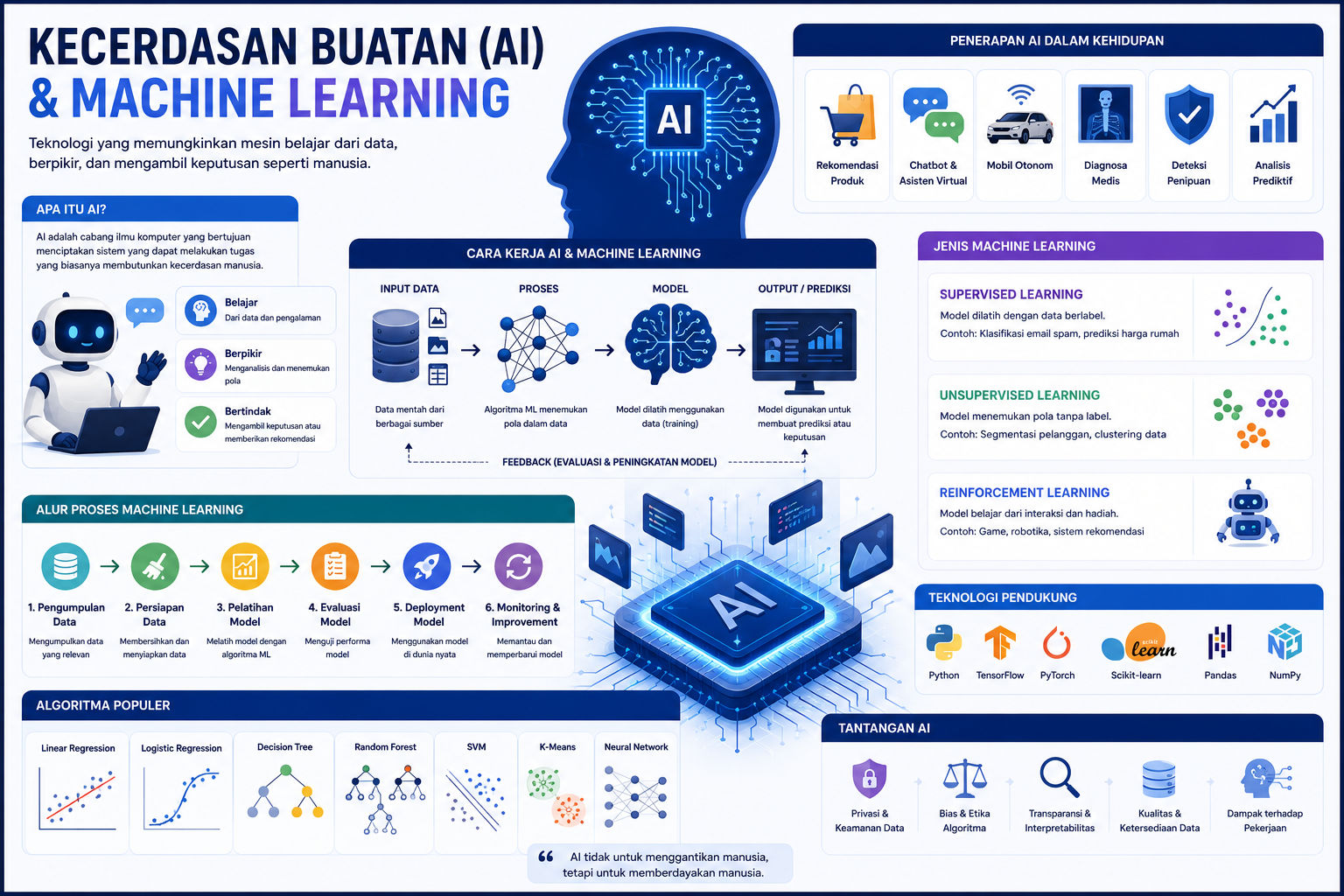
Consider the explosion of Artificial Intelligence. While the models (like GPT-5 or specialized LLMs) grab the headlines, the real revolution is happening in the data centers, the cooling systems, and the specialized semiconductor architectures that make real-time AI processing possible. The pulse of future technology beats strongest in these hidden layers, where efficiency and latency are the ultimate currencies.
2. The Democratization of Development: No-Code and the Silent Revolution
One of the most profound yet underreported trends is the complete abstraction of coding. We are witnessing a transition where the "architects" of the digital world are no longer just traditional programmers, but domain experts using No-Code and Low-Code platforms. This shift is creating a massive surge in micro-SaaS products and hyper-automated workflows.
Even in specialized fields like web development, the barrier to entry has collapsed. Tools that once required months of learning are now accessible to anyone with a logical mindset. This democratization is quietly reshaping the global economy, allowing small teams to compete with enterprise giants by leveraging pre-built, invisible architectural frameworks.

3. The Trust Protocol: Security in a Post-Quantum World
As we move deeper into the digital age, the concept of "trust" is being rewritten. With the looming threat of quantum computing breaking traditional encryption, the tech industry is silently transitioning to Post-Quantum Cryptography (PQC). This is not a trend you will see on the front page of tech blogs, but it is arguably the most critical infrastructure update of the decade.
Financial institutions, healthcare providers, and governments are currently overhauling their security protocols to be "quantum-resistant." This invisible migration ensures that our digital identities and assets remain secure in the future. It is a race against time, happening entirely behind the scenes, protecting the foundational layer of the internet.
4. Ambient Computing: When Technology Disappears
The ultimate goal of technology is to become invisible. In 2026, we are seeing the rise of ambient computing—technology that blends seamlessly into our environment without requiring explicit interaction. Smart homes that adjust temperature based on biometric sensors, AR glasses that overlay digital information without distracting the user, and IoT networks that self-heal are all part of this trend.
This requires a massive backend architecture of interoperability standards and edge processing. The hidden drivers of this movement are not just hardware, but the universal protocols that allow disparate devices to communicate flawlessly.
Conclusion: Learning to See the Unseen
To truly understand the direction of the tech world in 2026, we must stop looking at the shiny objects and start examining the scaffolding. The invisible architecture—comprising edge networks, quantum-safe security, no-code frameworks, and ambient protocols—is the true engine of progress. By understanding these hidden currents, developers, investors, and enthusiasts can better prepare for the next wave of digital transformation.