The Invisible Architects: Decoding the Hidden Frameworks Driving 2026's Tech Revolution
Beyond the Headlines: Understanding the True Forces Shaping Our Digital Future
Every year, the technology industry bombards us with flashy announcements—faster smartphones, smarter AI assistants, and revolutionary platforms. Yet, beneath the surface of these consumer-facing breakthroughs lies a complex web of invisible architectures that truly dictate the pace and direction of our digital evolution. As we navigate through 2026, it's time to look beyond the headlines and decode the hidden frameworks powering the most significant technological shifts of our era.
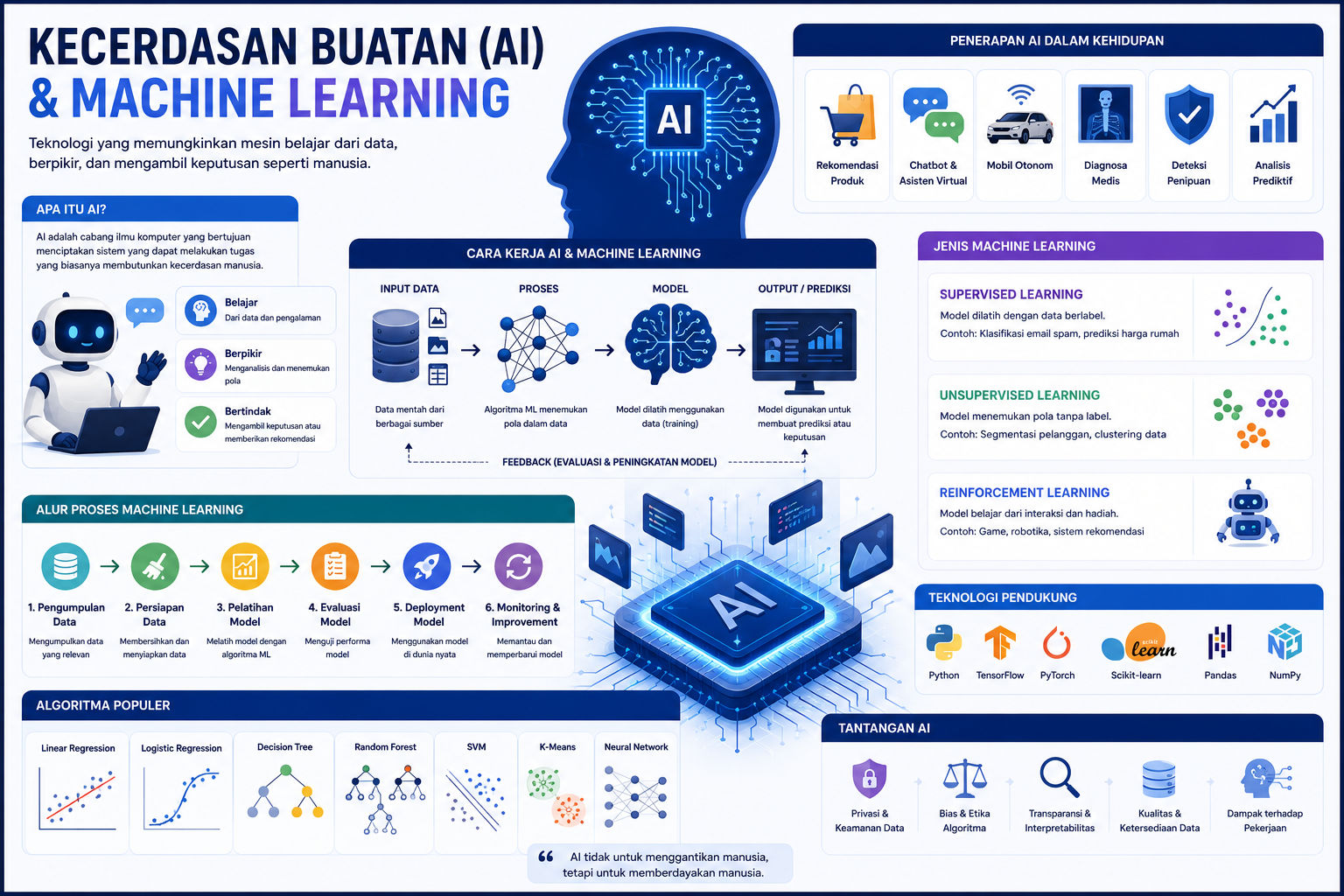
The Rise of Ambient Intelligence: When Technology Disappears
One of the most profound trends in 2026 isn't about adding more screens to our lives—it's about technology becoming invisible. Ambient intelligence represents a paradigm shift where our environments become responsive without requiring explicit commands. Smart cities are no longer experimental concepts but operational realities, with infrastructure that anticipates human needs before they arise.
This invisible layer of intelligence relies on sophisticated sensor networks, edge computing capabilities, and machine learning algorithms that process data locally rather than in distant cloud servers. The result is a world where technology serves us without demanding our attention—a concept that fundamentally challenges decades of human-computer interaction design philosophy.
The Convergence Economy: Breaking Down Industry Silos
Perhaps the most significant development in 2026's tech landscape is the dissolution of traditional industry boundaries. Healthcare is merging with entertainment. Finance is intertwining with social media. Transportation is becoming inseparable from energy management. This convergence isn't merely about diversification—it represents a fundamental restructuring of how value is created and delivered.
Companies that once competed within narrow verticals now find themselves collaborating across previously unimaginable partnerships. A automotive manufacturer might partner with a streaming service to create personalized in-vehicle experiences, while a healthcare provider collaborates with a gaming company to develop therapeutic interventions. The technology trends of 2026 reveal that these convergences are not random but follow predictable patterns driven by data interoperability and platform economics.
The Democratization of Creation: From Consumption to Participation
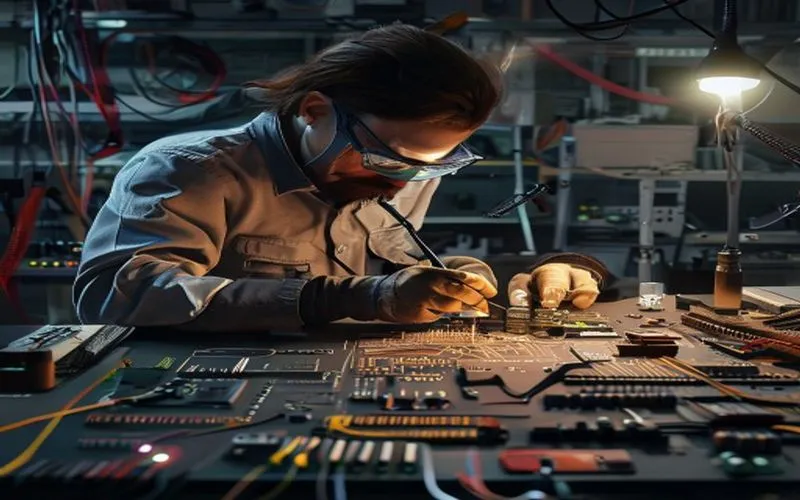
2026 marks a watershed moment in how ordinary individuals interact with technology. The barriers to creating sophisticated digital products have collapsed to unprecedented levels. No-code and low-code platforms have evolved from simple website builders to comprehensive development environments capable of producing enterprise-grade applications.
This democratization extends beyond software. Advanced manufacturing technologies, including 3D printing and CNC machining, have become accessible to hobbyists and small businesses. The result is a explosion of innovation from unexpected sources—individuals and small teams creating solutions that rival those of established corporations. This shift represents not just a technological change but a fundamental redistribution of creative power across society.
The Ethics Imperative: Technology's Reckoning with Responsibility
As technology becomes more pervasive and powerful, 2026 has become the year when ethical considerations can no longer be afterthoughts. The invisible architectures we've discussed aren't neutral—they encode values, biases, and assumptions that affect billions of people. From algorithmic decision-making in criminal justice to AI-driven hiring practices, the consequences of technological choices have become impossible to ignore.
Forward-thinking organizations are embedding ethics into their development processes from the outset, not as a compliance exercise but as a strategic advantage. The hidden pillars driving current technology trends increasingly include ethical frameworks that guide innovation toward outcomes that benefit humanity broadly rather than narrow interests.
The Sustainability Revolution: Green Technology as Competitive Advantage
Environmental consciousness has transformed from a marketing differentiator to a business imperative in 2026. Technology companies are discovering that sustainable practices aren't just good for the planet—they're essential for long-term competitiveness. Energy-efficient computing, circular economy models for hardware, and carbon-neutral data centers have become standard expectations rather than exceptional achievements.
This sustainability revolution extends to how we design products for longevity rather than planned obsolescence. The most successful technology companies of 2026 are those that have mastered the art of creating value while minimizing environmental impact—a challenge that requires rethinking everything from supply chains to software optimization.
The Human Element: Why Soft Skills Have Become Hard Requirements
In an era of increasing automation, the most valuable skills are paradoxically the most human. Emotional intelligence, creative problem-solving, and ethical reasoning have become critical differentiators in the technology workforce. The professionals thriving in 2026 are those who can bridge the gap between technological capability and human needs.
This shift has profound implications for education and career development. The traditional model of technical training followed by a lifetime of application is obsolete. Instead, continuous learning, adaptability, and cross-disciplinary thinking have become the foundations of successful technology careers. Organizations that recognize and cultivate these human capabilities are outperforming those that focus solely on technical proficiency.

Looking Forward: The Architecture of Tomorrow
As we look beyond 2026, the invisible architectures shaping our technological future will only become more complex and influential. The convergence of artificial intelligence, biotechnology, quantum computing, and sustainable engineering promises transformations that we can barely imagine today. Yet, the fundamental challenge remains the same: ensuring that these powerful tools serve human flourishing rather than diminish it.
The technology leaders who will define the next decade are those who understand that true innovation isn't about creating the most sophisticated algorithms or the fastest processors. It's about designing systems that enhance human capabilities, respect individual dignity, and contribute to collective wellbeing. The invisible architects of our digital future have the opportunity—and the responsibility—to build technology that truly serves humanity.
In this landscape of rapid change and unprecedented possibility, staying informed about the deeper currents driving technological evolution isn't just intellectually stimulating—it's essential for anyone who wants to participate meaningfully in shaping our shared future. The headlines will continue to capture our attention, but the real story of technology in 2026 and beyond lies in the invisible frameworks that determine how innovation actually impacts our lives.