Beyond the Surface: Decoding the Unseen Architectures Driving Today's Tech Trends
In an era defined by rapid technological advancements, we are constantly bombarded with news of groundbreaking innovations, from the latest AI breakthroughs to revolutionary advancements in quantum computing. Yet, the dazzling display of new gadgets and software often overshadows the intricate, often invisible, frameworks that truly shape these trends. To truly understand current technology news and trends, we must look beyond the visible interfaces and delve into the "unseen architectures" – the foundational elements, systemic forces, and hidden drivers that dictate how technology evolves, is adopted, and ultimately impacts our world.
This article aims to peel back the layers, exploring these often-overlooked architects of our digital future. From the subtle shifts in data governance to the profound implications of infrastructural dependencies, understanding these underlying dynamics is crucial for anyone seeking a comprehensive grasp of the tech landscape.
The Algorithmic Undercurrents: AI as a Foundational Layer
Artificial Intelligence (AI) and Machine Learning (ML) are undeniably at the forefront of current technology trends. Generative AI, predictive analytics, and autonomous systems dominate headlines. However, their true architectural significance lies not just in their applications but in their pervasive integration as a foundational layer across nearly every digital domain. AI is no longer merely a feature; it is an underlying operating principle, an unseen current that shapes user experiences, business strategies, and even scientific discovery.
Consider the recommendation algorithms that curate our social media feeds, streaming content, and e-commerce suggestions. These are complex, self-optimizing systems that learn from vast datasets, influencing our daily choices in ways we seldom consciously register. Similarly, in fields like medicine, AI models analyze colossal genomic datasets to identify disease markers, accelerate drug discovery, and personalize treatment plans. These sophisticated algorithms, often hidden behind user-friendly interfaces or integrated into complex backend systems, constitute a critical part of the unseen architecture. Their continuous learning and adaptation capabilities mean that the digital environment we inhabit is constantly being reshaped by processes we rarely perceive directly.
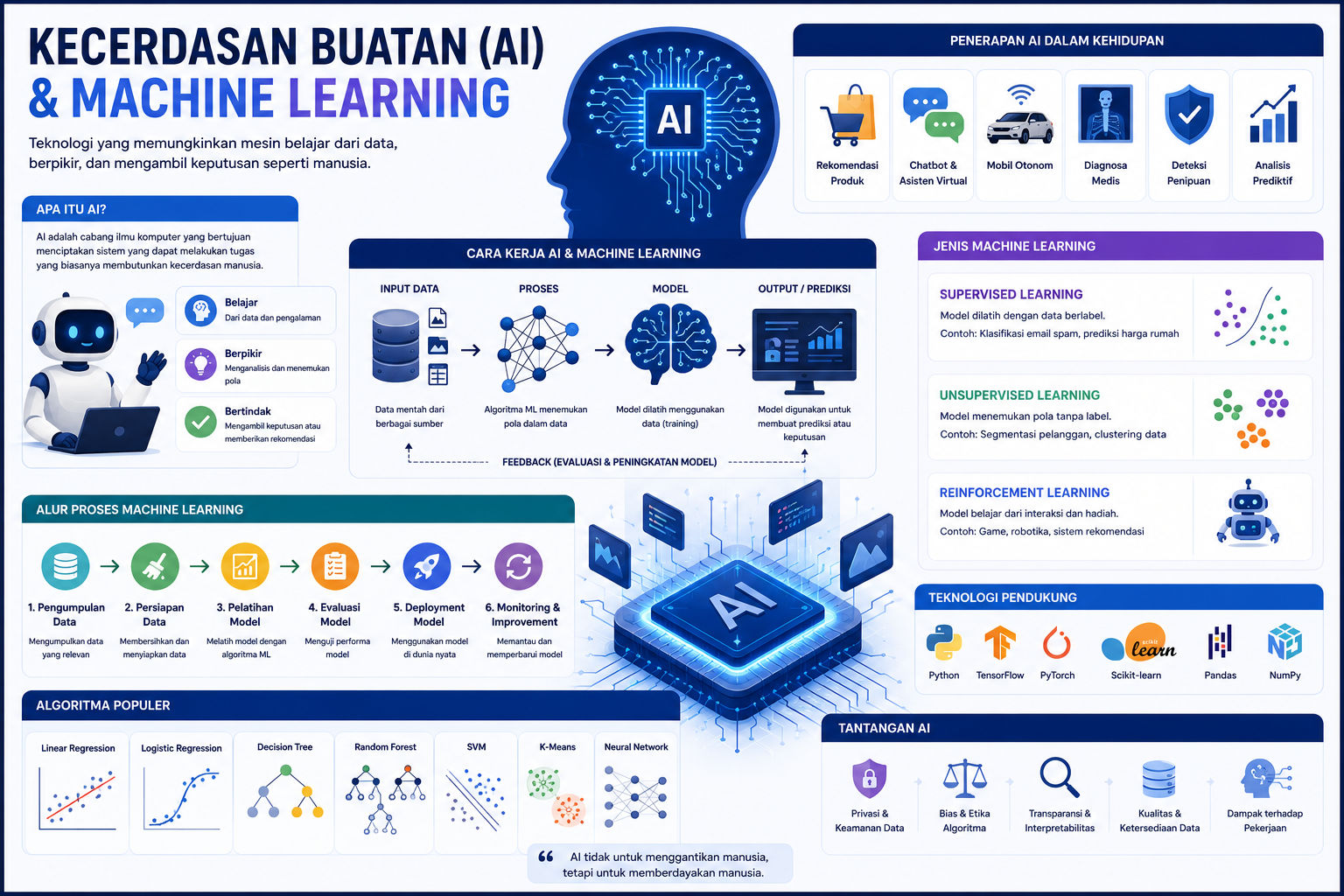
The architectural shift here is from static, rule-based systems to dynamic, learning-based infrastructures. This evolution presents challenges and opportunities: while it promises unprecedented efficiency and personalization, it also raises critical questions about bias, transparency, and ethical governance. The future of tech trends will increasingly depend on how we design, audit, and regulate these invisible algorithmic layers.
Data as the New Infrastructure: The Power of Information Flows
If AI provides the intelligence, then data forms the very terrain upon which it operates. The sheer volume, velocity, and variety of data generated globally every second are staggering. This data is no longer just a byproduct of digital interaction; it has become an invaluable asset, a raw material, and, crucially, a fundamental infrastructure element shaping modern technology. The "unseen architecture" of data involves not just its collection and storage, but its processing, analysis, and the intricate pipelines that govern its flow and transformation.
Cloud computing platforms, for instance, are the silent giants hosting this deluge of data. Hyperscale data centers, distributed globally, provide the backbone for almost every online service, from social media to enterprise applications. Edge computing, a growing trend, pushes data processing closer to the source, reducing latency and enabling real-time analytics for IoT devices and autonomous vehicles. These distributed data architectures are largely invisible to the end-user but are absolutely critical for the performance and scalability of modern tech. They represent a complex interplay of hardware, software, and networking protocols, forming a dynamic, adaptive infrastructure that underpins the digital economy.
Furthermore, the legal and ethical frameworks surrounding data—data privacy regulations like GDPR and CCPA, data sovereignty concerns, and evolving standards for data sharing—also form a crucial part of this unseen architecture. These regulations, while often perceived as bureaucratic hurdles, fundamentally shape how data can be collected, used, and monetized, thereby influencing which technologies can thrive and how they are developed. The ability to manage, secure, and derive insights from vast data streams is a defining characteristic of successful tech ventures today, demonstrating that data is indeed the new infrastructural bedrock.
Micro-Architectures of Connectivity: The Evolving Network Fabric
Beneath the glossy applications and powerful algorithms lies another critical, often overlooked, architectural layer: connectivity. The evolution of network technologies is a silent enabler of most significant tech trends. From the rollout of 5G and the expansion of satellite internet to the advancements in fiber optics and Wi-Fi standards, these micro-architectures of connectivity are continuously evolving, transforming what is possible in the digital realm.
5G, for example, is not just about faster mobile internet. Its true architectural significance lies in its low latency and capacity for massive machine-to-machine communication. This opens doors for advanced IoT applications, real-time autonomous systems, and intricate smart city infrastructures. Similarly, the rise of Low Earth Orbit (LEO) satellite constellations like Starlink is fundamentally changing global internet accessibility, extending high-speed connectivity to previously underserved areas. This expansion of access has profound implications for digital inclusion, remote work, and the global spread of digital services.
Beyond the wireless frontier, the underlying wired infrastructure of fiber optic networks continues to expand, providing the foundational bandwidth for the internet's core. These networks, though buried underground or laid across ocean floors, are the arteries of the digital world, carrying immense volumes of data at light speed. The resilience, security, and capacity of this global network fabric are constantly being optimized, representing an ongoing architectural project that directly impacts everything from cloud computing performance to the viability of virtual reality applications. The relentless pursuit of faster, more reliable, and more ubiquitous connectivity forms an unseen, yet indispensable, part of our global tech architecture.
The Economic & Geopolitical Frameworks: Silent Architects of Innovation
Technology trends are not born in a vacuum; they are heavily influenced by broader economic and geopolitical forces. These factors often act as unseen currents that shape the direction and pace of innovation. Investment capital, regulatory environments, and international relations play a crucial role in determining which technologies receive funding, which markets are accessible, and which ethical considerations are prioritized.
Venture capital and corporate R&D investments, for instance, act as powerful accelerators, channeling resources into promising areas like quantum computing, sustainable tech, or advanced robotics. Government policies, through subsidies, tax breaks, and research grants, also exert significant influence, often driving national strategic priorities in areas like AI or cybersecurity. The global competition for technological supremacy, particularly between major economic powers, further shapes this architecture, leading to increased investment in critical technologies, intellectual property battles, and the formation of strategic alliances.
Moreover, the geopolitical landscape, including trade wars, supply chain vulnerabilities, and data sovereignty concerns, directly impacts the development and deployment of technology. Decisions made in boardrooms and legislative chambers far from the tech labs can dictate the availability of critical components, the accessibility of markets, and the regulatory burden on new innovations. This interplay of economics and politics forms a complex, often opaque, architectural layer that significantly influences the visible tech trends we observe. Understanding these forces is essential for predicting future shifts and navigating the global tech ecosystem effectively.
Societal Shifts as Catalysts: The Human Element in Unseen Architectures
While often discussed in terms of hardware and software, the human element—our values, behaviors, and collective societal shifts—also functions as a critical, albeit intangible, unseen architecture. The demands and concerns of society fundamentally shape which technologies gain traction, how they are designed, and the ethical guardrails placed around them.
Take, for example, the growing emphasis on privacy and ethical AI. Public discourse, consumer demand, and advocacy group pressure have led to significant changes in how companies collect and use data, and how AI systems are developed to mitigate bias and ensure fairness. This societal architecture of expectations and values directly influences technological design choices, leading to innovations in privacy-preserving technologies (like federated learning or homomorphic encryption) and a greater focus on explainable AI.
Similarly, the global push for sustainability has spurred innovation in green tech, from renewable energy solutions to efficient resource management systems. Consumer preferences for eco-friendly products and investor pressure for ESG (Environmental, Social, and Governance) compliance are driving technological advancements that might otherwise be slower to emerge. The evolving nature of work, driven by remote collaboration and the gig economy, has also accelerated the development of new communication tools, productivity platforms, and cybersecurity solutions.
These human and societal factors, though not technical in nature, create a powerful demand-side architecture that guides technological evolution. They influence research agendas, product development cycles, and public perception, demonstrating that technology is not merely a self-perpetuating entity but a reflection of our collective values and aspirations.
Convergence as the Ultimate Unseen Architecture
Ultimately, the most profound unseen architecture is the phenomenon of convergence. All these disparate elements—algorithmic intelligence, data infrastructure, advanced connectivity, economic policies, and societal values—do not operate in isolation. Instead, they converge and interact in complex, often unpredictable ways, giving rise to emergent properties and entirely new technological paradigms.
The rise of the Metaverse, for instance, isn't just about VR headsets; it's a convergence of high-bandwidth networks, sophisticated AI for realistic simulations, vast datasets for personalized environments, significant economic investment, and a societal desire for more immersive digital interactions. Similarly, autonomous vehicles are a convergence of advanced sensors, real-time AI processing, 5G connectivity for V2X (Vehicle-to-Everything) communication, regulatory frameworks, and public acceptance of self-driving capabilities.
This convergence creates a dynamic, ever-shifting landscape where the whole is greater than the sum of its parts. It's an architecture that is not consciously designed by a single entity but emerges from the intricate interplay of countless forces. Understanding this systemic convergence is perhaps the most challenging yet rewarding aspect of decoding current technology news and trends.
Conclusion: Navigating the Invisible Currents
The visible world of technology—the apps, devices, and digital services we interact with daily—is merely the surface. Beneath it lies a complex, dynamic, and largely unseen architecture composed of algorithmic undercurrents, data infrastructures, advanced connectivity, economic and geopolitical frameworks, and societal shifts. By examining these hidden drivers, we gain a far deeper and more nuanced understanding of where technology stands today and where it is headed.
For innovators, policymakers, and consumers alike, recognizing these unseen architectures is paramount. It allows for more informed decision-making, more responsible development, and a more profound appreciation of the forces shaping our digital destiny. As technology continues its relentless march forward, our ability to comprehend not just what is built, but how it is built and why, will be the true differentiator in navigating the exciting yet challenging landscape of the future.