Beyond the Hype: The Invisible Forces Reshaping 2026's Tech Landscape
Introduction: Looking Beyond the Headlines
When we talk about Berita & Tren Teknologi Terkini (Latest News & Tech Trends), the conversation usually revolves around the flashiest new gadgets or the most viral AI chatbots. However, the most significant technological shifts of 2026 aren't always the ones making the loudest noise. Instead, they are the "invisible currents"—the underlying architectures, infrastructure upgrades, and systemic logic that dictate how our digital world actually operates.
In this article, we will strip away the hype and look at the foundational changes defining the tech landscape this year. We are moving past the era of simple digital adoption into an era of deep digital integration, where the boundaries between the physical and virtual worlds are not just blurred, but fundamentally rewritten.
1. The Shift from AI Models to AI Infrastructure
For the past two years, the focus has been on Large Language Models (LLMs) and generative AI. But the technology trends of 2026 show a distinct shift: the competitive advantage is no longer in building the model, but in deploying it efficiently.
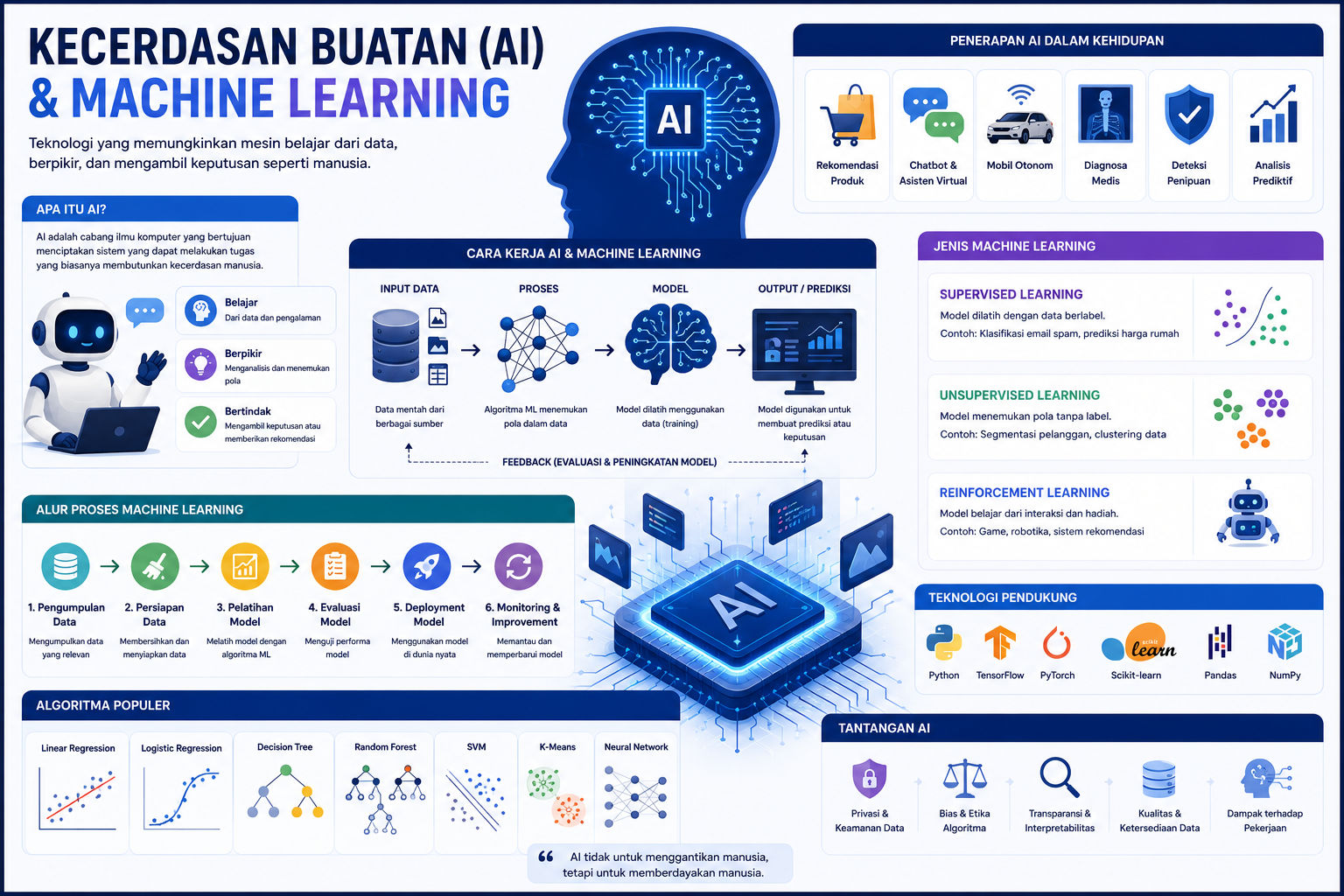
Companies are now obsessed with "Edge AI"—running complex algorithms locally on devices rather than relying on massive cloud servers. This reduces latency, enhances privacy, and allows autonomous systems (like self-driving cars or advanced robotics) to make split-second decisions without an internet connection. We are witnessing the rise of specialized silicon chips designed solely for edge computing, marking a hardware revolution that parallels the software boom of the early 2020s.
2. The Architecture of Invisible Transactions
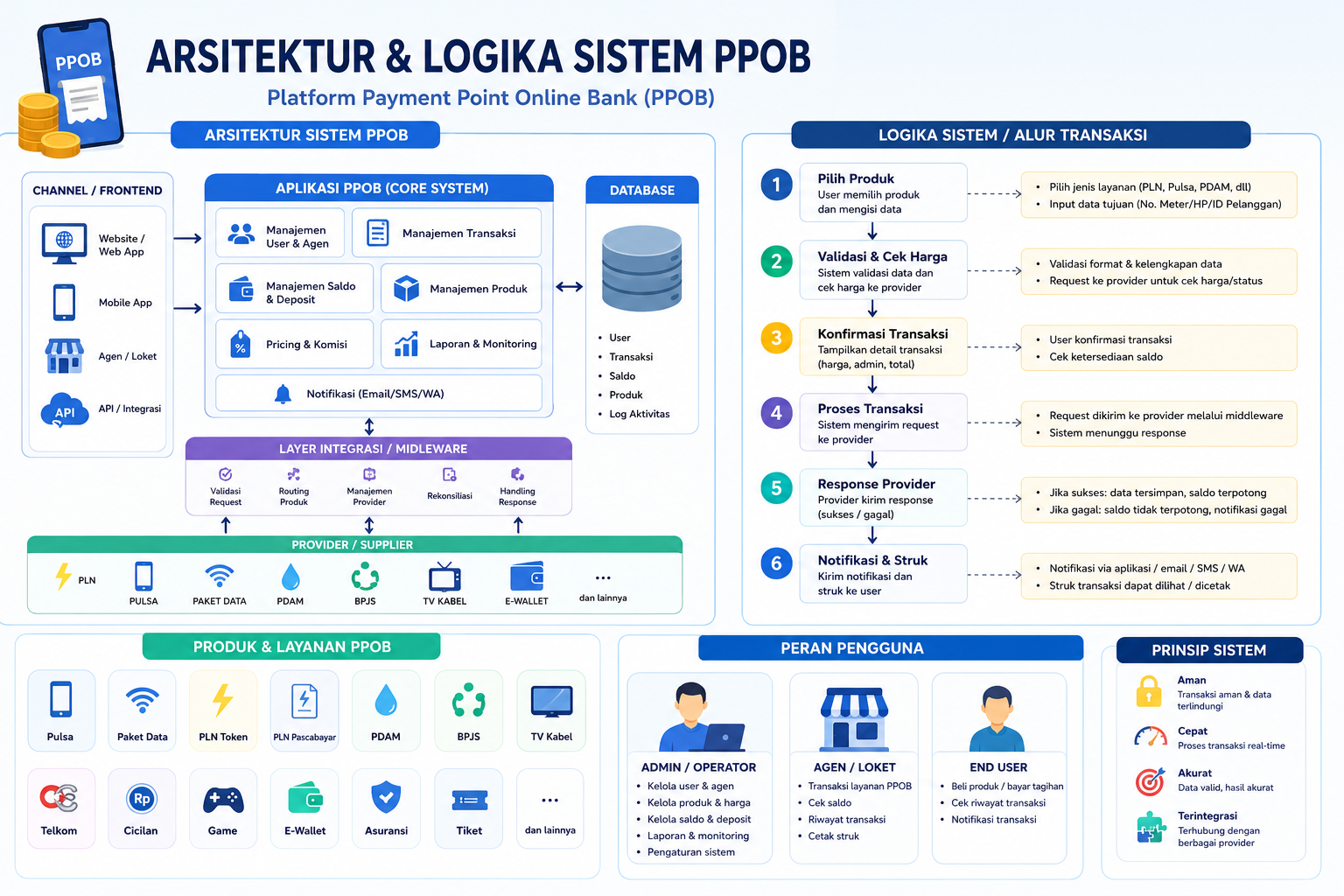
Another massive shift lies in how we handle value transfer. The digital economy is being rebuilt on the back of invisible transaction layers. Payment systems and financial infrastructures are becoming so seamless that the "act of paying" is disappearing.
Consider the architecture of modern digital banking and PPOB (Payment Point Online) systems. The logic behind these systems requires zero-downtime architecture, real-time reconciliation, and military-grade security, yet the user experience is as simple as a single click. As discussed in our deep dive into The Hidden Architecture of 2026, the real revolution isn't the app on your phone; it's the complex web of APIs and protocols working in the background to move data and money instantly.
3. Spatial Computing and the Post-Screen Era
Smartphones are no longer the center of the digital universe. With the maturation of Augmented Reality (AR) glasses and lightweight Mixed Reality (MR) headsets, we are entering the "post-screen era." Tech news often focuses on the hardware specs of these devices, but the real trend is the software spatialization.
Operating systems are transitioning from 2D interfaces (windows and icons) to 3D spatial canvases. Web development itself is undergoing a paradigm shift; developers now have to think about depth, spatial anchoring, and environmental awareness. Learning modern web development isn't just about HTML/CSS anymore—it’s about building 3D environments using frameworks like WebXR.
4. The Logic of Cybersecurity: Zero Trust by Default
As our digital footprints expand, the perimeter-based security model (the "castle and moat" approach) is officially dead. The latest tech trends dictate that "Zero Trust" is no longer an enterprise buzzword; it is the default architecture.
In a Zero Trust architecture, every user, device, and network flow is verified continuously, regardless of whether they are sitting inside a corporate office or working remotely from a coffee shop. This is driven by the rise of sophisticated AI-driven cyber threats. To counter this, cybersecurity systems are now using behavioral biometrics—analyzing how you type, how you hold your phone, and even your walking gait via sensors—to authenticate you passively.
Conclusion: Preparing for the Integrated Future
The Berita & Tren Teknologi Terkini of 2026 tells a clear story: technology is maturing. The era of isolated digital gadgets is ending, giving way to an integrated, ambient computing environment. The invisible forces—edge AI, seamless transaction architectures, and spatial logic—are building a world where technology is omnipresent yet invisible.
To stay ahead, businesses and developers must stop looking at the surface-level gadgets and start understanding the underlying architecture. The future belongs to those who can navigate—and build—the invisible currents of the digital world.