Berita & Tren Teknologi Terkini: How Invisible Infrastructure is Quietly Rewiring Our Digital Reality
Beyond the Headlines: The Unseen Architects of 2026
When we talk about Berita & Tren Teknologi Terkini (Latest Technology News & Trends), the mind usually leaps to flashy product launches, new smartphone models, or the latest generative AI chatbot. However, the most significant shifts in 2026 are happening not on our screens, but beneath them. We are witnessing the rise of "invisible infrastructure"—the underlying frameworks that dictate how data flows, how AI learns, and how our digital economy operates. Understanding these hidden currents is no longer just for engineers; it is essential for anyone navigating the modern digital landscape.
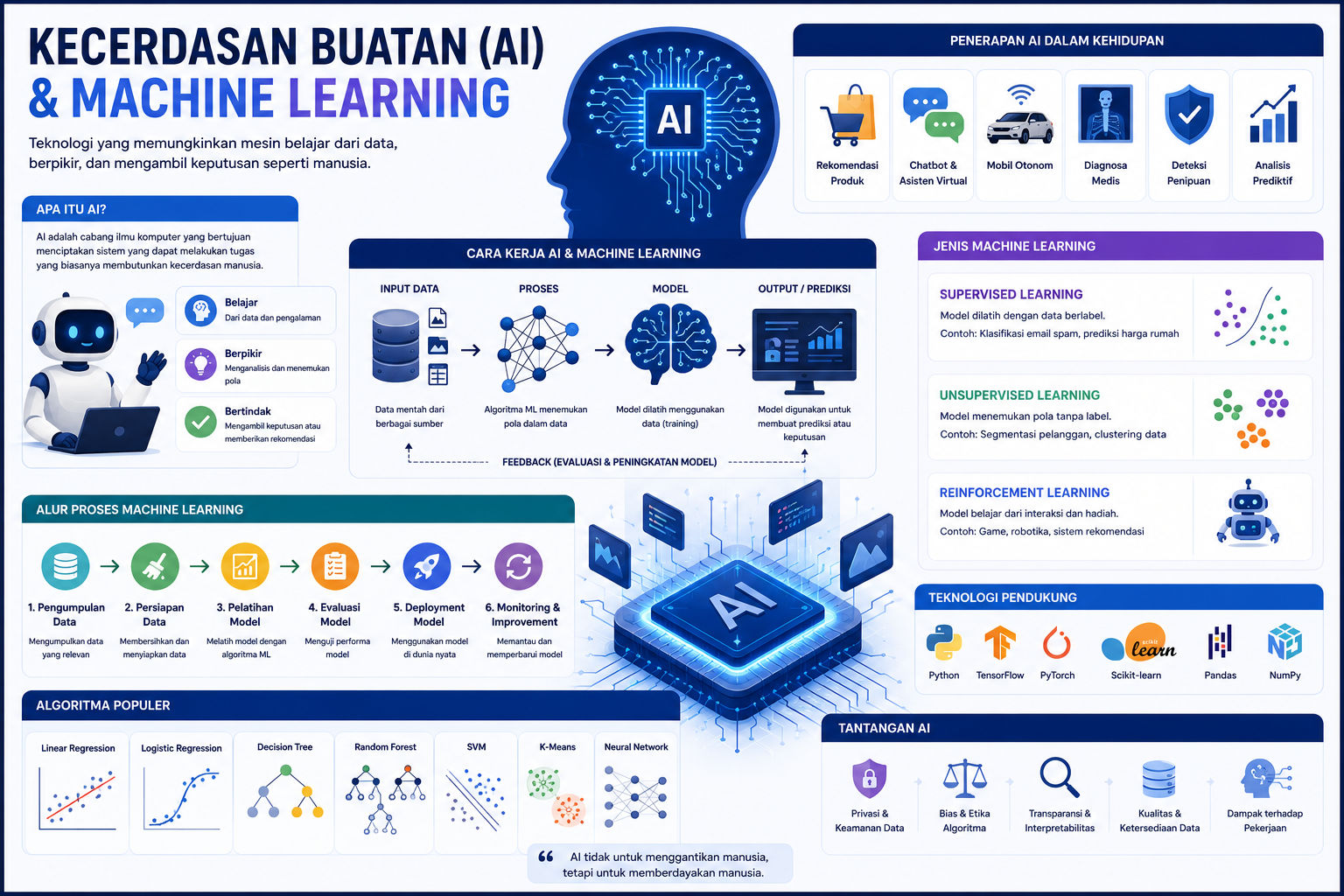
1. The Shift from Cloud-Centric to Edge Intelligence
For the past decade, the cloud was king. But in 2026, the focus has shifted dramatically toward Edge AI. Instead of sending data to a centralized server for processing, computation is moving closer to the source—whether that's a smart factory floor, an autonomous vehicle, or a wearable health device. This transition is driven by the need for ultra-low latency and enhanced privacy. By processing data locally, Edge AI reduces bandwidth costs and minimizes the risk of data breaches during transit. This trend is fundamentally changing how developers build applications, prioritizing efficiency and real-time responsiveness over raw centralized storage.
2. The Rise of Decentralized Physical Networks (DePIN)
One of the most fascinating intersections of blockchain and the real world is the emergence of Decentralized Physical Infrastructure Networks (DePIN). In 2026, we are seeing a surge in projects that incentivize users to deploy physical hardware—like wireless gateways, sensors, or energy grids—in exchange for tokenized rewards. This crowdsourced approach allows for rapid, cost-effective network expansion without the need for massive corporate capital expenditure. It democratizes the telecommunications and energy sectors, turning everyday users into micro-infrastructure providers. As we explore building a better digital future, DePIN stands out as a model for sustainable, community-driven tech growth.
3. Synthetic Data: The New Oil for AI Training
As AI models become more complex, the demand for high-quality training data has outpaced supply, leading to concerns over copyright, bias, and privacy. Enter synthetic data. In 2026, the generation of artificial data—data created by algorithms rather than captured from real-world events—has become a multi-billion-dollar industry. Synthetic data allows developers to create perfectly labeled, highly diverse datasets without compromising user privacy. This is particularly crucial for training autonomous systems in rare but critical scenarios (edge cases) that are difficult to capture in the real world. It solves the data scarcity problem while mitigating ethical concerns, making it a cornerstone of responsible AI development.
4. Post-Quantum Cryptography: Preparing for the Y2Q Threat
While quantum computing promises to solve complex problems, it also poses an existential threat to current encryption standards. The transition to Post-Quantum Cryptography (PQC) is no longer a theoretical exercise; it is an urgent global initiative. In 2026, major tech enterprises and governments are actively migrating their systems to quantum-resistant algorithms. This invisible upgrade is happening across financial institutions, healthcare systems, and national security networks to protect sensitive data against future quantum attacks. The race to secure the digital ecosystem before "Q-Day" is one of the most critical, yet least visible, trends shaping our technological infrastructure today.
Conclusion: Adapting to the Invisible
The impact of the 2026 digital revolution is not just about what we can see, but about what operates silently in the background. From the decentralized networks powering our communications to the synthetic data fueling our AI, the invisible infrastructure of 2026 is laying the groundwork for a more resilient, efficient, and secure digital world. Staying informed about these underlying shifts is the key to anticipating the next wave of technological disruption and leveraging it for future success.