Unseen Currents: Decoding the Subterranean Shifts Driving Modern Technology Trends
In an era saturated with buzzwords and rapid-fire product launches, it's easy to get swept away by the surface-level churn of technological innovation. Every day brings headlines about new AI breakthroughs, metaverse developments, or the latest gadget that promises to revolutionize our lives. Yet, beneath this visible froth lies a complex, interconnected web of foundational shifts – subterranean currents that are truly shaping the trajectory of our digital future. These aren't always the loudest stories, but they are the most profound, often dictating the very possibilities of what emerges into the mainstream. Understanding these underlying forces is crucial for anyone seeking to navigate, innovate, or simply comprehend the modern technological landscape.
The true story of current technology trends isn't just about what's new, but what's becoming possible. It's about the convergence of once-disparate fields, the silent maturation of nascent technologies, and the growing awareness of their ethical and societal implications. This deep dive moves beyond the hype to examine the quiet revolutions that are redefining our relationship with data, intelligence, and the very fabric of digital existence. Indeed, to truly grasp the monumental changes underway, one must look beyond the immediate headlines and explore these deeper currents. As explored in depth by analyses that seek to unravel these subtle yet powerful transformations, the real narrative of technological evolution unfolds in these less visible domains. For a deeper understanding of these foundational shifts, consider how various global perspectives interpret these silent revolutions shaping current technology trends.
The Evolving DNA of Artificial Intelligence: Beyond the GPT Hype
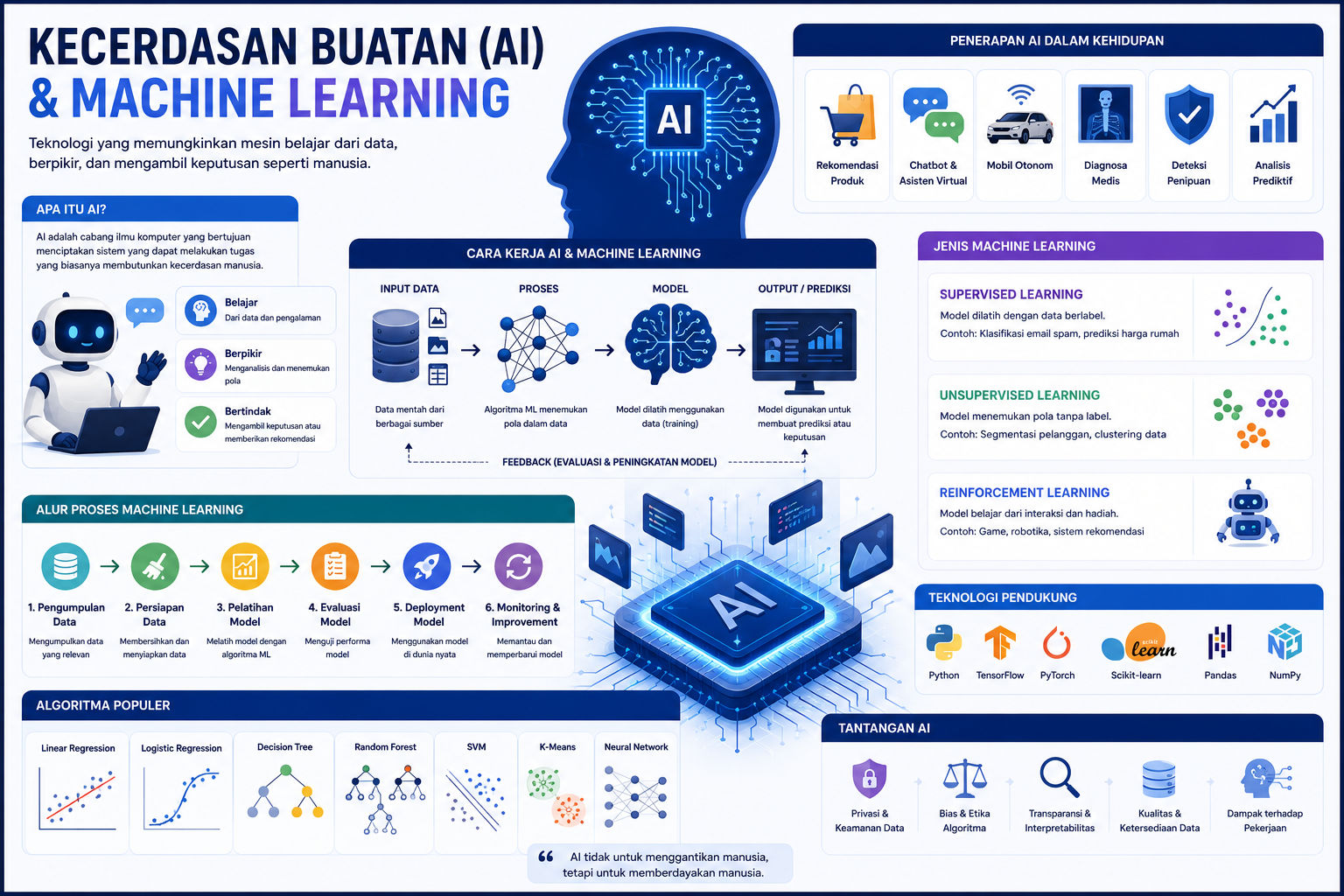
While large language models (LLMs) like GPT have captivated public imagination, the truly transformative work in Artificial Intelligence and Machine Learning (AI/ML) is happening at a more fundamental level. It's not just about bigger models, but smarter, more efficient, and more ethically sound AI. The current trend is leaning heavily into areas like:
- Explainable AI (XAI): Moving past black-box models, XAI aims to make AI decisions transparent and understandable to humans. This is critical for adoption in sensitive fields like healthcare, finance, and autonomous systems, where accountability and trust are paramount.
- Federated Learning: This approach allows AI models to be trained on decentralized datasets without the data ever leaving its source. It's a game-changer for privacy-preserving AI, enabling collaboration across organizations or devices without compromising sensitive user information.
- TinyML: Bringing AI to the edge, TinyML enables complex machine learning tasks to run on low-power, resource-constrained devices like sensors or microcontrollers. This expands AI's reach into countless IoT applications, making smart environments truly ubiquitous and responsive.
- Generative AI Ethics: Beyond the impressive outputs, there's a significant focus on mitigating biases, preventing misuse (e.g., deepfakes), ensuring intellectual property rights, and establishing clear guidelines for the ethical development and deployment of generative models. This ongoing dialogue is crucial for shaping responsible AI governance.
These developments, while less dramatic than a new chatbot, represent the foundational improvements that will enable the next generation of truly intelligent and trustworthy systems. They are the unseen scaffolding upon which future AI marvels will be built.
Quantum Computing's Persistent Murmur: From Lab to Practicality
Quantum computing remains largely in the realm of advanced research, but its persistent progress constitutes a significant subterranean trend. While universal, fault-tolerant quantum computers are still years away, the current focus is on "Noisy Intermediate-Scale Quantum" (NISQ) devices and the development of quantum algorithms that could offer advantages in specific, albeit limited, problem sets. The implications are profound:
- Materials Science & Drug Discovery: Quantum simulations can model molecular interactions with unprecedented accuracy, accelerating the discovery of new materials, catalysts, and pharmaceutical compounds.
- Cryptography & Security: Quantum computers pose a fundamental threat to current encryption methods, driving a quiet but urgent race to develop post-quantum cryptography (PQC) standards that are resistant to both classical and quantum attacks.
- Optimization Problems: Industries ranging from logistics to finance could leverage quantum algorithms for highly complex optimization, leading to efficiencies currently unattainable.
The quiet, methodical advancements in quantum hardware, software, and theoretical understanding are laying the groundwork for a future where computational power reaches entirely new dimensions. It’s not about immediate impact, but about building the fundamental capabilities for a future paradigm shift.
Web3 and the Decentralized Dream: Beyond the Hype of Crypto
While often overshadowed by the volatile world of cryptocurrencies, the core tenets of Web3 represent a deeper, more philosophical shift in how we interact with the internet. The trend is moving towards decentralization, user ownership of data, and transparent, trustless systems. Key elements driving this are:
- Digital Identity & Self-Sovereign Identity (SSI): Moving away from centralized identity providers, SSI empowers individuals to control their digital identities, granting selective access to personal data without relying on intermediaries.
- Decentralized Autonomous Organizations (DAOs): Beyond corporate hierarchies, DAOs offer new models for collective governance and resource management, allowing communities to make decisions transparently and programmatically.
- Verifiable Data & Provenance: Blockchain technology offers a way to establish verifiable records for data, assets, and transactions, ensuring authenticity and transparency, which is crucial for supply chains, intellectual property, and even digital art.
- Interoperability of Digital Assets: As different blockchain networks mature, the focus is shifting towards creating seamless bridges and standards that allow digital assets and data to move freely and securely across various ecosystems.
These underlying shifts aim to rebuild the internet with privacy, security, and user empowerment at its core, moving beyond the centralized models that have dominated Web2. It’s a quiet architectural redesign with far-reaching implications for digital rights and economic models.
The Quiet Convergence of Biotechnology and Health Tech
Technology is not just digital; its convergence with biology is creating one of the most transformative, yet often overlooked, revolutions. This silent integration is redefining healthcare, agriculture, and even environmental management:
- Personalized Medicine: Advances in genomics, AI-driven diagnostics, and personalized drug discovery are enabling treatments tailored to an individual's unique genetic makeup and health profile. Wearable sensors and continuous monitoring devices are feeding real-time data into these systems, moving healthcare from reactive to proactive.
- CRISPR and Gene Editing: Beyond the ethical debates, the precision and accessibility of gene-editing technologies are silently driving new approaches to treating genetic diseases, developing pest-resistant crops, and even bio-engineering materials.
- AI in Drug Discovery: Machine learning algorithms are dramatically accelerating the identification of potential drug candidates, predicting molecular interactions, and optimizing clinical trials, slashing the time and cost associated with bringing new therapies to market.
- Bio-integrated Devices: The development of implantable sensors, neural interfaces, and smart prosthetics is blurring the lines between human and machine, promising new frontiers in rehabilitation, augmentation, and disease management.
These advancements, often born in research labs and specialized startups, are slowly but surely transforming the very definition of health and biological possibility, promising longer, healthier lives and more resilient ecosystems.
Sustainable Tech and Green Innovation: The Imperative Undercurrent
Amidst all the innovation, a powerful and increasingly urgent undercurrent is the drive towards sustainable technology. It’s no longer an afterthought but an integral design principle, fueled by environmental necessity and regulatory pressures. This involves:
- Circular Economy Technologies: From advanced recycling methods to product design for longevity and easy disassembly, tech is enabling systems that minimize waste and maximize resource utilization.
- Green AI and Energy-Efficient Computing: Researchers are actively developing AI models that require less computational power and designing data centers with vastly reduced energy footprints, addressing the carbon cost of digital expansion.
- Precision Agriculture: IoT sensors, AI-driven analytics, and robotic automation are optimizing resource use in farming, reducing water consumption, pesticide use, and land degradation, leading to more sustainable food production.
- Renewable Energy Storage & Smart Grids: Breakthroughs in battery technology, grid-scale storage solutions, and intelligent energy management systems are foundational to transitioning to a fully renewable energy infrastructure.
- Environmental Monitoring and Remediation: Drones, satellite imagery, and AI are being deployed for real-time environmental monitoring, early disaster warning, and even intelligent pollution control and cleanup efforts.
This silent but powerful shift towards sustainability is embedding eco-consciousness into the very fabric of technological development, recognizing that innovation must serve both progress and planetary well-being. The foundational elements being built now are critical for our collective future. For further insights into the often-unseen advancements that will define the coming years, delving into the quiet revolutions behind technology news and trends offers a compelling perspective.

The Human Element: Ethics, Privacy, and Digital Literacy
Perhaps the most critical, yet often intangible, current shaping technology is the growing emphasis on the human element. As technology becomes more pervasive and powerful, so too does the need for ethical frameworks, robust privacy protections, and widespread digital literacy. This trend manifests in:
- Privacy-by-Design: Shifting from reactive privacy measures to embedding privacy considerations into the very architecture of new technologies and services.
- Digital Rights & Governance: Increasing global dialogue and regulatory efforts (like GDPR) to establish clearer rights for individuals in the digital sphere, covering data ownership, content moderation, and algorithmic fairness.
- Combating Misinformation: The development of AI tools for fact-checking, content provenance, and the promotion of critical thinking skills to navigate an increasingly complex information landscape.
- Accessibility & Inclusivity: Designing technologies that are accessible to all, regardless of ability, and ensuring that diverse voices and perspectives are integrated into the development process.
- Workforce Transformation & Skilling: The silent recognition that rapid technological change necessitates continuous learning, upskilling, and reskilling initiatives to prepare the global workforce for evolving job markets.
These human-centric currents are not about technological innovation itself, but about guiding it responsibly. They represent a collective effort to ensure that technology serves humanity, rather than dominating it, making sure that progress is equitable and beneficial for all.
Conclusion: Navigating the Depths of Digital Transformation
The visible waves of current technology trends – the flashy apps, the powerful AI models, the immersive digital worlds – are merely manifestations of much deeper, more profound currents. Understanding these subterranean shifts in AI's foundational principles, quantum computing's nascent power, Web3's decentralized vision, biotech's convergence with digital tools, and the imperative for sustainable and ethical development is key to truly grasping where technology is headed.
These unseen currents are not just incremental updates; they are tectonic shifts that promise to fundamentally alter industries, societies, and individual lives. By looking beyond the immediate buzz and focusing on these underlying forces, we can better anticipate the future, prepare for its challenges, and harness its immense potential. The real revolution isn't always the loudest one; often, it’s the quiet, persistent progress beneath the surface that ultimately reshapes the world.