The Unseen Architects of Tomorrow: Navigating the Silent Revolution in Technology
In a world captivated by the latest smartphone release, viral app, or groundbreaking AI chatbot, it's easy to overlook the deeper currents shaping our technological future. While headline-grabbing innovations certainly play a role, the most profound transformations often occur subtly, beneath the surface, driven by what we might call the "silent revolution." These are the technologies, methodologies, and shifts that, while not always immediately visible, act as the fundamental architects of tomorrow's digital and physical landscapes. Understanding these unseen forces is crucial for anyone seeking to truly grasp where technology is headed.
This article delves into the quiet evolutions that are redefining industries, altering human interaction, and setting the stage for advancements yet to be fully imagined. We'll explore how these understated yet powerful trends are converging, creating an intricate web of digital innovation that promises a future both interconnected and transformative.
The Pervasive Integration of Advanced AI and Machine Learning
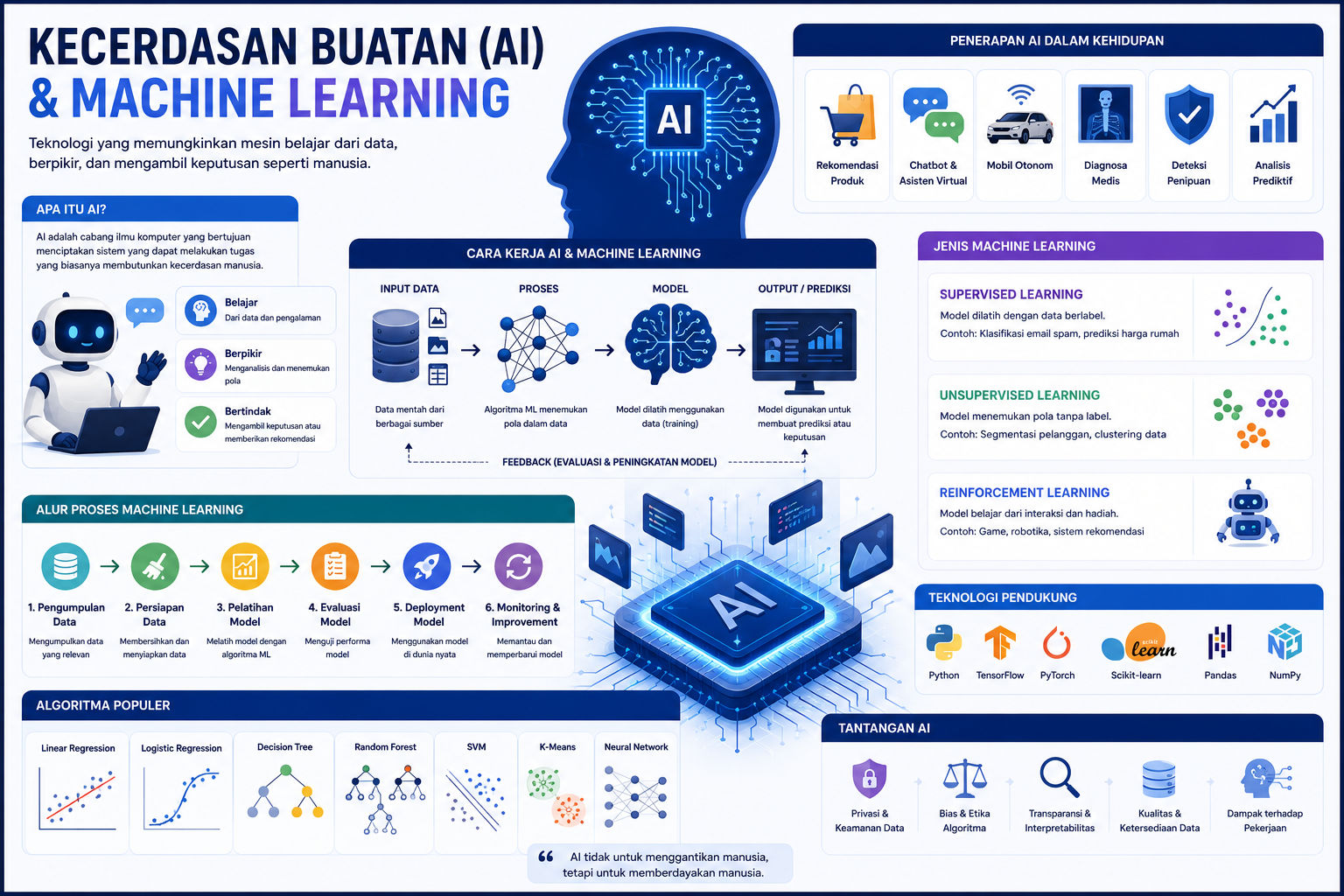
Artificial Intelligence (AI) and Machine Learning (ML) have been buzzwords for years, but their current trajectory transcends mere novelty. The silent revolution here lies not just in the creation of more powerful algorithms, but in their pervasive, often invisible, integration into every facet of our lives and infrastructure. Beyond sophisticated image recognition or natural language processing, AI is now the bedrock for optimizing supply chains, predicting equipment failures in smart factories, and even personalizing medical treatments down to an individual's genetic makeup.
Consider the logistical backbone of global commerce. AI algorithms are silently processing vast datasets on weather patterns, traffic congestion, and consumer demand to route shipments more efficiently, minimize waste, and ensure timely delivery. In healthcare, AI assists in drug discovery by analyzing molecular structures at speeds unimaginable to humans, and in diagnostics, it helps identify subtle patterns in medical images that might escape the human eye. These applications are not always visible to the end-user, yet their impact on efficiency, safety, and personalized experiences is immense. The true power of AI is manifesting as an invisible layer of intelligence, making systems smarter, more adaptive, and increasingly autonomous.
The Quiet Power of Edge Computing
As the Internet of Things (IoT) proliferates, generating unprecedented volumes of data from countless devices, the traditional cloud computing model faces challenges related to latency, bandwidth, and security. Enter edge computing – a silent, yet seismic shift in how data is processed. Instead of sending all data to a centralized cloud server for analysis, edge computing brings computation and data storage closer to the source of the data, or "the edge" of the network.
This paradigm shift enables real-time decision-making for critical applications like autonomous vehicles, industrial automation, and smart city infrastructure. Imagine a self-driving car needing to react instantly to a sudden obstacle; waiting for data to travel to a distant cloud and back is not an option. Edge computing allows the car to process sensor data locally, making immediate, life-saving decisions. Similarly, in smart factories, machinery equipped with edge capabilities can detect anomalies and self-correct without human intervention, dramatically improving operational efficiency and reducing downtime. This distributed intelligence is fundamentally reshaping how we interact with technology, making systems more responsive, reliable, and secure without us even realizing it.
Quantum Computing: The Whisper of a Future Paradigm Shift
While still largely confined to research labs and high-tech enterprises, quantum computing represents perhaps the most profound silent revolution on the horizon. Unlike classical computers that store information as bits (0s or 1s), quantum computers use qubits, which can represent both 0 and 1 simultaneously through superposition and entanglement. This fundamental difference unlocks the potential to solve problems currently intractable for even the most powerful supercomputers.
The immediate impact of quantum computing might not be felt by the average consumer, but its foundational research is a quiet, ongoing revolution with massive future implications. It promises to revolutionize fields such as drug discovery by simulating molecular interactions with unprecedented accuracy, breaking modern encryption standards, and creating new materials with tailored properties. While practical, scalable quantum computers are still years away, the advancements being made today are laying the groundwork for a computational future that will fundamentally redefine our capabilities across science, industry, and security. This is truly an example of the invisible threads of the digital revolution weaving our future.
Next-Gen Connectivity: Beyond Speed, Towards Ubiquity and Integration
The evolution of wireless communication, from 4G to 5G and now the nascent discussions around 6G, is often framed in terms of faster download speeds for our phones. However, the silent revolution in connectivity goes far beyond this. 5G, with its low latency and massive connectivity capabilities, is enabling entirely new industrial applications, remote operations, and critical infrastructure management that were previously impossible.
It's the backbone for sophisticated IoT deployments, powering smart grids, connected healthcare devices, and truly autonomous logistics. The emergence of satellite internet services like Starlink and Project Kuiper is also quietly bridging the digital divide, bringing high-speed internet to remote and underserved areas globally, fostering digital inclusion and unlocking new economic opportunities. These advancements create a seamlessly connected world where data flows effortlessly, empowering other silent technologies to thrive and providing the infrastructure for a truly digital economy. This pervasive, high-speed, and low-latency connectivity is an unseen enabler of profound societal and economic shifts.
Material Science & Nanotechnology: The Microscopic Architects
Innovation in material science and nanotechnology might seem less glamorous than AI or quantum computing, but it’s another powerful silent architect of our future. Advances in these fields are leading to materials with unprecedented properties: self-healing polymers, ultra-efficient batteries, sustainable composites, and minuscule sensors. These developments are not just incremental improvements; they are foundational shifts that enable breakthroughs in areas from renewable energy storage to medical implants and advanced manufacturing.
For instance, new battery chemistries are quietly improving the range and charging speed of electric vehicles, making them more viable for mass adoption. Nanomaterials are being developed to filter water more efficiently, deliver drugs more precisely, and create lighter, stronger aircraft components. These innovations operate at a microscopic level, often invisible to the naked eye, yet they have macroscopic impacts, contributing to sustainability, efficiency, and human well-being in ways that are deeply integrated into our products and infrastructure.
Blockchain Beyond Cryptocurrency: Trust and Transparency Redefined
While often conflated with volatile cryptocurrencies, the underlying blockchain technology is a silent force driving significant change in how we establish trust and ensure transparency in digital interactions. Beyond Bitcoin and NFTs, enterprise blockchain solutions are being quietly adopted across various industries to create immutable records, streamline supply chains, and secure digital identities.
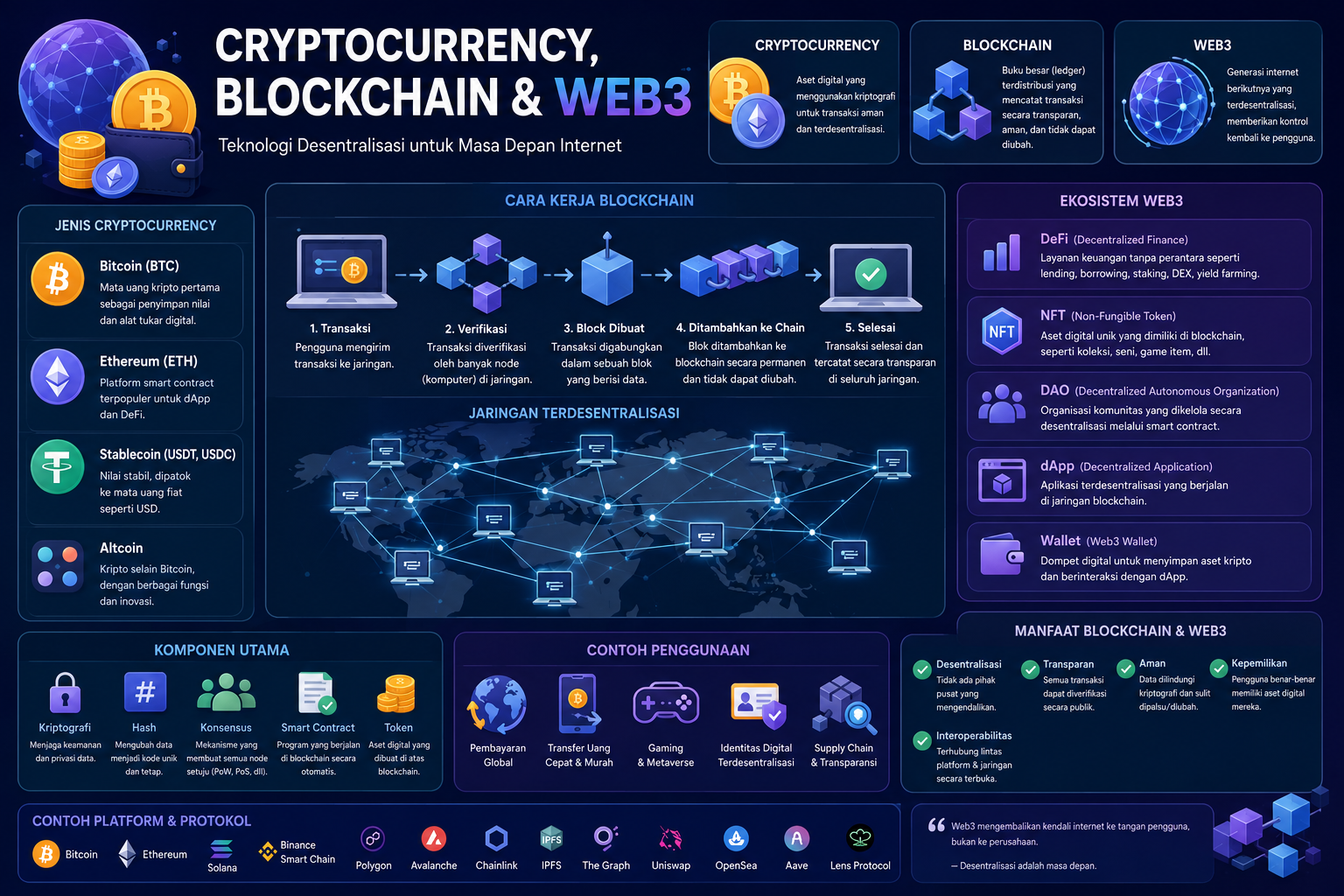
Imagine a supply chain where every product's journey, from raw material to retail shelf, is immutably recorded on a distributed ledger. This eliminates fraud, verifies authenticity, and provides unprecedented transparency for consumers and regulators. In healthcare, blockchain can secure patient records and facilitate secure data sharing among providers while maintaining privacy. For digital identity, it offers a decentralized, user-controlled model that could drastically reduce identity theft and simplify online verification. These applications often operate in the background, invisible to the end-user, but they fundamentally change the nature of trust and data integrity in the digital realm. This quiet transformation is akin to a silent revolution where unseen innovations shape our future by building a more secure and transparent digital foundation.
Bio-convergence and Personalized Health: The Human Element
Another powerful, yet often personal and unseen, revolution is occurring at the intersection of biology, computing, and data science – often termed bio-convergence. This trend involves the merging of biotechnology, AI, advanced sensors, and data analytics to create hyper-personalized health solutions, preventative medicine, and even human augmentation.
Wearable devices are no longer just tracking steps; they are quietly monitoring vital signs, detecting early indicators of illness, and providing personalized health insights. AI is sifting through genomic data to tailor treatments for cancer and rare diseases. Gene editing technologies like CRISPR are advancing rapidly, holding the promise to eradicate genetic diseases. These advancements are deeply personal, often happening within the confines of medical labs or through individual health monitoring, but their collective impact will redefine human health, longevity, and quality of life. The revolution here is happening within us and around us, silently empowering individuals with unprecedented control and understanding of their own biological data.
Societal Implications of the Unseen Revolution
While these silent technological shifts promise immense benefits, they also bring significant societal implications that demand careful consideration. The pervasive integration of AI raises questions about algorithmic bias, ethical decision-making, and the future of work. Edge computing, while enhancing security and privacy by keeping data local, also introduces new vulnerabilities and challenges in managing distributed systems.
The advancements in quantum computing necessitate a re-evaluation of current cryptographic standards, prompting a race to develop quantum-resistant encryption. The ubiquitous connectivity facilitated by 5G and satellite internet, while empowering, also raises concerns about digital surveillance and the digital divide's evolving nature. Furthermore, the innovations in material science and bio-convergence, while offering solutions to pressing global challenges, also provoke ethical debates surrounding genetic engineering, human enhancement, and the equitable distribution of advanced medical technologies.
Understanding these underlying technologies and their implications requires a proactive approach from policymakers, educators, and the public. We must foster digital literacy, encourage ethical technology development, and ensure that the benefits of this silent revolution are broadly shared, rather than deepening existing inequalities. The unseen architects of tomorrow are building a new world, and it is our collective responsibility to shape it consciously and ethically.
Conclusion
The true story of current technology news and trends often lies beyond the headlines, in the quiet, foundational shifts that are redefining our world from the ground up. From the pervasive intelligence of advanced AI and the distributed power of edge computing to the nascent promise of quantum technology and the subtle yet profound changes wrought by next-gen connectivity, material science, blockchain, and bio-convergence – these are the silent revolutions that are building our future.
By focusing on these "unseen architects," we gain a deeper appreciation for the intricate tapestry of innovation unfolding around us. It's a reminder that progress isn't always loud or flashy; sometimes, the most significant changes are the ones happening in the background, steadily and fundamentally reshaping the way we live, work, and interact with the world.