The Invisible Revolution: How 2026’s Silent Tech Trends Are Reshaping Daily Life
The Rise of "Silent" Technologies in 2026
In 2026, the most transformative technologies are no longer flashy gadgets or visible interfaces. Instead, they are invisible systems working behind the scenes to optimize everyday life. This shift—from overt digital tools to ambient computing and seamless integration—marks a new phase in technological evolution. Unlike previous decades, where innovation was measured by screen sizes or processing speeds, today’s advancements prioritize "invisible interfaces" that adapt to human needs without demanding attention.
Ambient Computing: The New Invisible Infrastructure
Ambient computing—the concept of technology dissolving into the environment—is now ubiquitous. Smart homes no longer rely on centralized hubs; instead, sensor networks embedded in walls, furniture, and appliances automatically adjust lighting, temperature, and security. For example, your refrigerator might predict when you’ll run out of milk and place an order before you notice the shortage. This "always-on" ecosystem, driven by AI and IoT, eliminates the need for manual interaction, creating a frictionless user experience.
This trend aligns with the global push for efficiency, where devices anticipate needs rather than respond to commands. Companies like Google and Amazon are investing heavily in ambient computing frameworks, blending voice, gesture, and contextual awareness to make technology invisible yet omnipresent.
AI’s Invisible Hand in Everyday Decision-Making
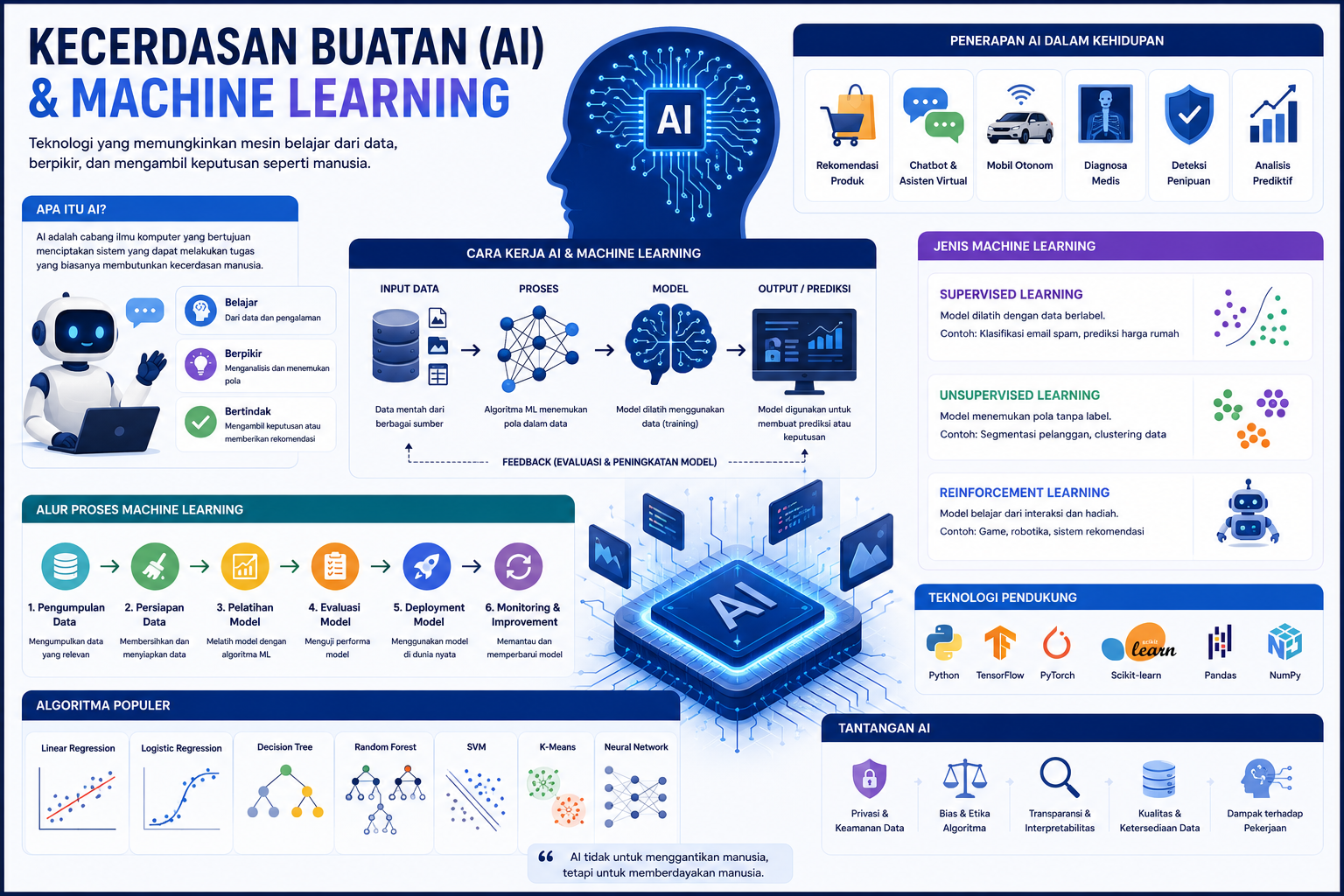
Artificial intelligence is no longer confined to chatbots or recommendation engines. In 2026, AI algorithms influence critical decisions in healthcare, finance, and even governance. For instance, predictive analytics in hospitals can forecast patient deterioration hours before symptoms manifest, while AI-driven financial advisors tailor investment strategies to individual risk profiles. These systems operate autonomously, often without users realizing their involvement.
The integration of AI into infrastructure has also raised ethical questions. While invisible AI improves efficiency, it also creates a "black box" problem—where decisions are made by opaque algorithms. This duality highlights the need for transparency and accountability in modern tech ecosystems.
Digital Finance: From E-Wallets to Invisible Transactions
The financial sector continues to evolve with innovations like decentralized finance (DeFi) and contactless payments. In 2026, e-wallets have replaced physical cash in most developed economies, with biometric authentication (e.g., fingerprint or facial recognition) enabling seamless transactions. For example, a smartwatch might deduct the cost of a coffee purchase automatically when the wearer enters a café, eliminating the need for any explicit payment action.

This shift has profound implications for global economies. Developing nations with limited banking infrastructure now rely on mobile money platforms to facilitate transactions, bridging the financial inclusion gap. However, challenges like cybersecurity threats and regulatory compliance remain pressing concerns.
Sustainability Through Invisible Tech
Environmental sustainability has become a cornerstone of tech innovation. In 2026, green computing practices reduce energy consumption in data centers, while smart grids optimize electricity distribution in real-time. For example, solar panels equipped with AI sensors adjust their angles to maximize sunlight absorption without human intervention. These "invisible" eco-friendly systems collectively contribute to carbon neutrality goals, often operating autonomously in the background.
Another breakthrough is the rise of zero-waste manufacturing, where 3D printing and AI-driven supply chains minimize material waste. This trend underscores how sustainability is no longer a niche focus but a core driver of technological development.
Challenges and the Road Ahead
While 2026’s invisible tech trends promise efficiency and convenience, they also pose risks. Over-reliance on automated systems could lead to vulnerabilities if AI models are manipulated or hacked. Additionally, the "always-on" nature of ambient computing raises privacy concerns, as devices continuously collect user data to function optimally.
Future innovations must address these issues through robust encryption, ethical AI frameworks, and user-centric design. As technology becomes increasingly invisible, its success will depend not just on technical prowess but on how well it aligns with human values and societal needs.
Conclusion: Embracing the Invisible Future
The technologies of 2026 are redefining progress not by their visibility but by their ability to integrate seamlessly into daily life. From ambient computing to invisible financial systems, the focus is on creating tools that anticipate rather than instruct. As we navigate this era of "silent innovation," staying informed about these trends is crucial for businesses and individuals alike. The future is here, and it’s quietly transforming the world—one invisible step at a time.