The Era of Ambient Intelligence: How Invisible Tech is Reshaping Our Reality
When we think of technological breakthroughs, we often envision sleek hardware, glowing screens, and tangible devices that demand our attention. However, the most profound shift in the current technological landscape is happening entirely out of sight. The latest technology news and trends are no longer defined by what we can hold, but by what seamlessly integrates into the background of our lives. Welcome to the era of Ambient Intelligence—a world where technology recedes into the periphery, anticipating our needs without requiring a single command.
The Shift from Active Engagement to Passive Interaction
For the past two decades, our relationship with technology has been strictly transactional and highly demanding. We tap, type, swipe, and stare. This paradigm of active engagement has led to widespread screen fatigue and a constant fragmentation of human attention. The current trajectory of innovation, however, is pivoting toward passive interaction. Instead of pulling us deeper into the digital void, technology is beginning to function like electricity—ubiquitous, essential, yet completely invisible until the moment it is needed.
This transition is largely fueled by advancements in Artificial Intelligence and machine learning, which have evolved from clunky, rule-based algorithms into sophisticated, context-aware systems. 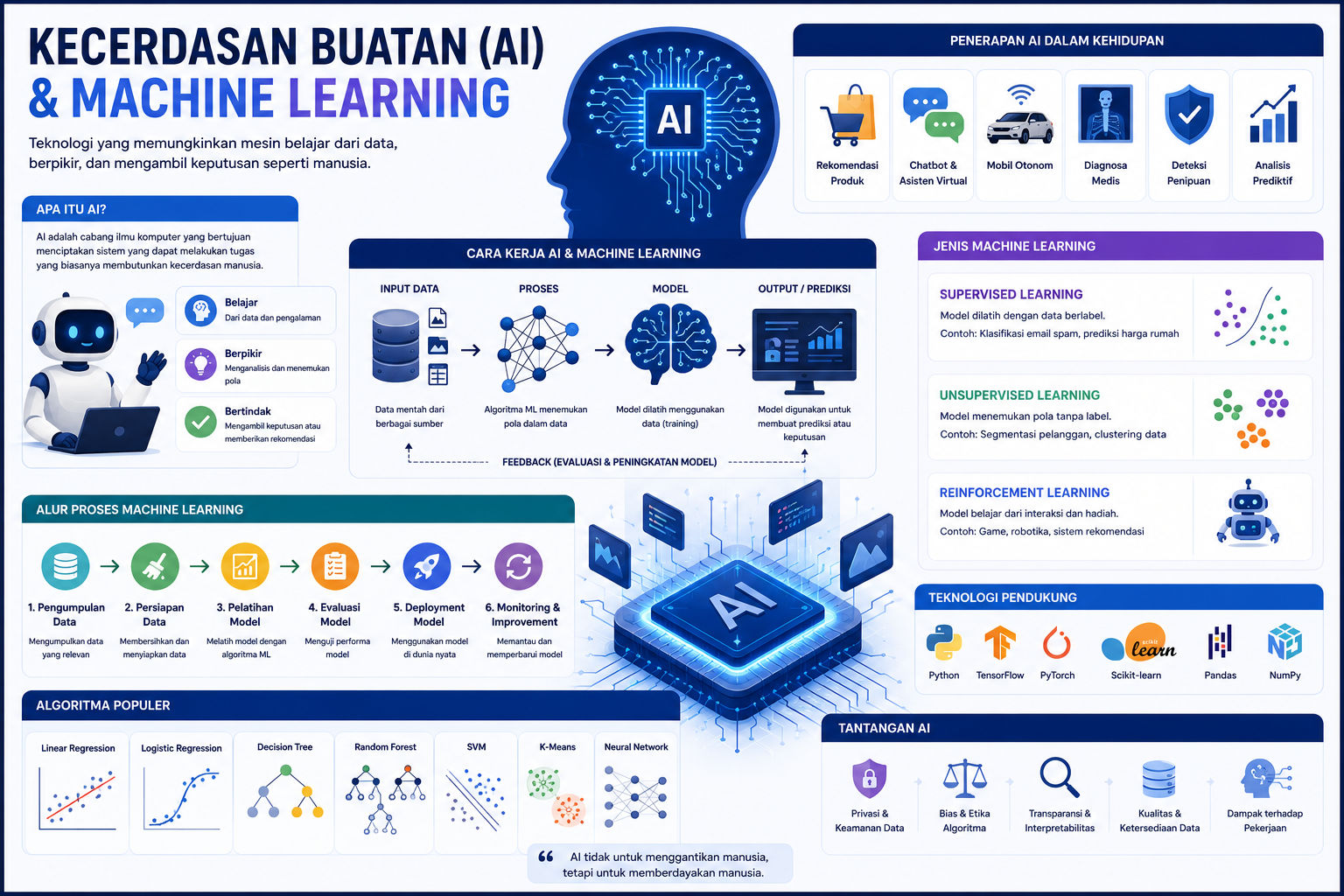
The Anatomy of Ambient Intelligence
Ambient Intelligence (AmI) relies on a triad of emerging technologies: ubiquitous sensor networks, edge computing, and hyper-personalized AI. In an AmI environment, micro-sensors are embedded into everyday objects, from clothing and furniture to infrastructure and vehicles. These sensors continuously harvest data, which is then processed locally at the "edge" of the network to ensure near-zero latency and stringent privacy compliance. The AI acts as the brain, synthesizing this data to create a seamless, responsive environment.
Consider the modern smart home of 2026. It no longer requires you to bark voice commands to dim the lights or adjust the thermostat. Instead, it reads the room's ambient temperature, detects your biometric stress levels through the fabric of your smart-shirt, and intuitively adjusts the lighting and climate to foster relaxation the moment you walk through the door. This is the core of current technology trends: technology that serves us by disappearing into the woodwork.
Industrial Metamorphosis: The Unseen Optimization
While consumer applications provide a glamorous glimpse into the future, the most impactful technology news right now is happening within the industrial sector. Manufacturing, logistics, and supply chain management are undergoing a silent metamorphosis driven by invisible tech. The concept of "Industry 5.0" emphasizes the synergy between human creativity and machine autonomy, where ambient systems monitor factory floors, predict equipment failure before it happens, and dynamically reroute workflows to prevent bottlenecks.
In these high-tech environments, technicians are no longer burdened with manual diagnostics.  Equipped with augmented reality overlays and AI-driven predictive maintenance protocols, they interact with an invisible layer of data that hovers over the physical machinery. The technology does not replace the human; it augments them, providing a sixth sense for detecting micro-vibrations, thermal leaks, and structural anomalies that are entirely imperceptible to the naked eye.
The Bio-Digital Convergence: When Tech Meets Biology
Perhaps the most fascinating angle in the latest technology trends is the convergence of digital systems with human biology. Bio-integrated electronics are moving from experimental labs into mainstream healthcare and wellness. We are witnessing the rise of biodegradable sensors that can be ingested or implanted to monitor internal health metrics in real-time, transmitting data to external AI systems that can predict cardiac events, track metabolic rates, or optimize medication dosages dynamically.
This bio-digital integration extends beyond medical applications. It is fundamentally altering how we interact with our environment. Neural interfaces, though still in their nascent stages, are beginning to bypass traditional physical inputs, allowing users to control digital environments through intention alone. As we explore the broader implications of these shifts, it becomes clear that the evolution of technology is deeply transforming human behavior and core values, shifting our expectations from interacting with machines to co-existing with intelligent environments.
The Paradox of Connectivity: Privacy in an Invisible World
The dark side of ambient intelligence is the unprecedented erosion of privacy. When technology is invisible and always listening, watching, and analyzing, the concept of a private space becomes obsolete. The very efficacy of AmI depends on the continuous harvesting of deeply personal data—our habits, our physiological responses, our routines, and our anomalies. This creates a paradox: the more seamless and helpful the technology becomes, the more intrusive the surveillance required to power it.
Cybersecurity frameworks are struggling to keep pace with this evolution. Traditional perimeter-based security models are useless when the perimeter is everywhere. Consequently, a significant portion of current tech innovation is focused on privacy-preserving technologies like federated learning, homomorphic encryption, and zero-knowledge proofs. These systems allow AI to learn and act on data without ever actually "seeing" the raw, identifiable information. Yet, the question remains whether regulatory bodies and corporate ethics can evolve quickly enough to protect individuals in a world where the watchers are entirely unseen.
Ecological Computing: The Sustainable Imperative
Another critical dimension of current technology news is the environmental cost of invisible tech. Ambient Intelligence requires a massive, always-on infrastructure of sensors, edge servers, and data centers. The energy demand for continuous computation is staggering. To counteract this, the industry is aggressively pursuing "green computing" initiatives. Neuromorphic chips, which mimic the energy-efficient architecture of the human brain, are replacing traditional processors in edge devices, reducing power consumption by orders of magnitude.
Furthermore, energy-harvesting technologies are allowing micro-sensors to operate without batteries, drawing power from ambient sources like radio waves, thermal gradients, and ambient light. This not only mitigates the ecological impact but also enables the deployment of sensors in remote, inaccessible locations, creating a truly planetary network of environmental monitoring. This silent, sustainable infrastructure is the unsung hero of the modern tech landscape, ensuring that our digital ambitions do not precipitate an ecological collapse.
The Societal Impact: Reclaiming Human Presence
There is a profound philosophical implication to the disappearance of technology. For years, digital addiction and screen-time have been blamed for the degradation of mental health, social cohesion, and deep interpersonal connections. By removing the screen and the constant need for manual input, Ambient Intelligence offers a tantalizing promise: the reclamation of human presence.
When technology handles the mundane, predictive, and administrative tasks of life in the background, humans are theoretically freed to be more present in the physical world. Conversations are no longer interrupted by the buzz of a smartphone; navigation is handled by haptic feedback through the steering wheel; schedules are managed by AI that understands your priorities better than you do. To fully grasp the magnitude of this shift, one must look at how the neatly developing digital world is unraveling and reorganizing our reality in 2026. The ultimate triumph of this technological era will not be measured by how much technology we can build, but by how much of our humanity we can reclaim once the technology finally steps out of the way.
Conclusion: Embracing the Unseen
The latest trends in technology signal a paradigm shift from the era of conspicuous computing to the era of the invisible. Ambient Intelligence, bio-digital convergence, and unseen industrial optimizations are weaving a digital fabric into the very air we breathe. While this promises unprecedented convenience, efficiency, and a liberation from screen-centric lives, it also demands rigorous vigilance regarding privacy, security, and ecological sustainability. As we move forward, our success will depend not just on the sophistication of our algorithms, but on the strength of the ethical frameworks that govern them. The future of technology is not something we will look at; it is something we will live within.