Shaping Tomorrow: Emerging Tech Trends and Their Unseen Transformations
The rapid pace of technological advancement in 2026 is not just redefining industries—it’s quietly revolutionizing our daily lives. From AI-driven automation to blockchain-based financial systems, the latest tech trends are creating a ripple effect across sectors. However, the most intriguing developments often go unnoticed until they become the norm. This article explores these emerging technologies through a unique lens, highlighting how innovations are reshaping the world without us realizing it.
The Silent Revolution of AI: Beyond the Hype
Artificial Intelligence (AI) has transcended its early-stage "hype cycle," embedding itself into systems we interact with daily. While headlines often focus on AI’s overt applications like chatbots or autonomous vehicles, its subtle integration into healthcare, education, and urban planning is equally transformative. For instance, predictive AI algorithms now optimize energy grids in cities, reducing carbon footprints by up to 30% in pilot projects Revolutionizing Urban Sustainability.
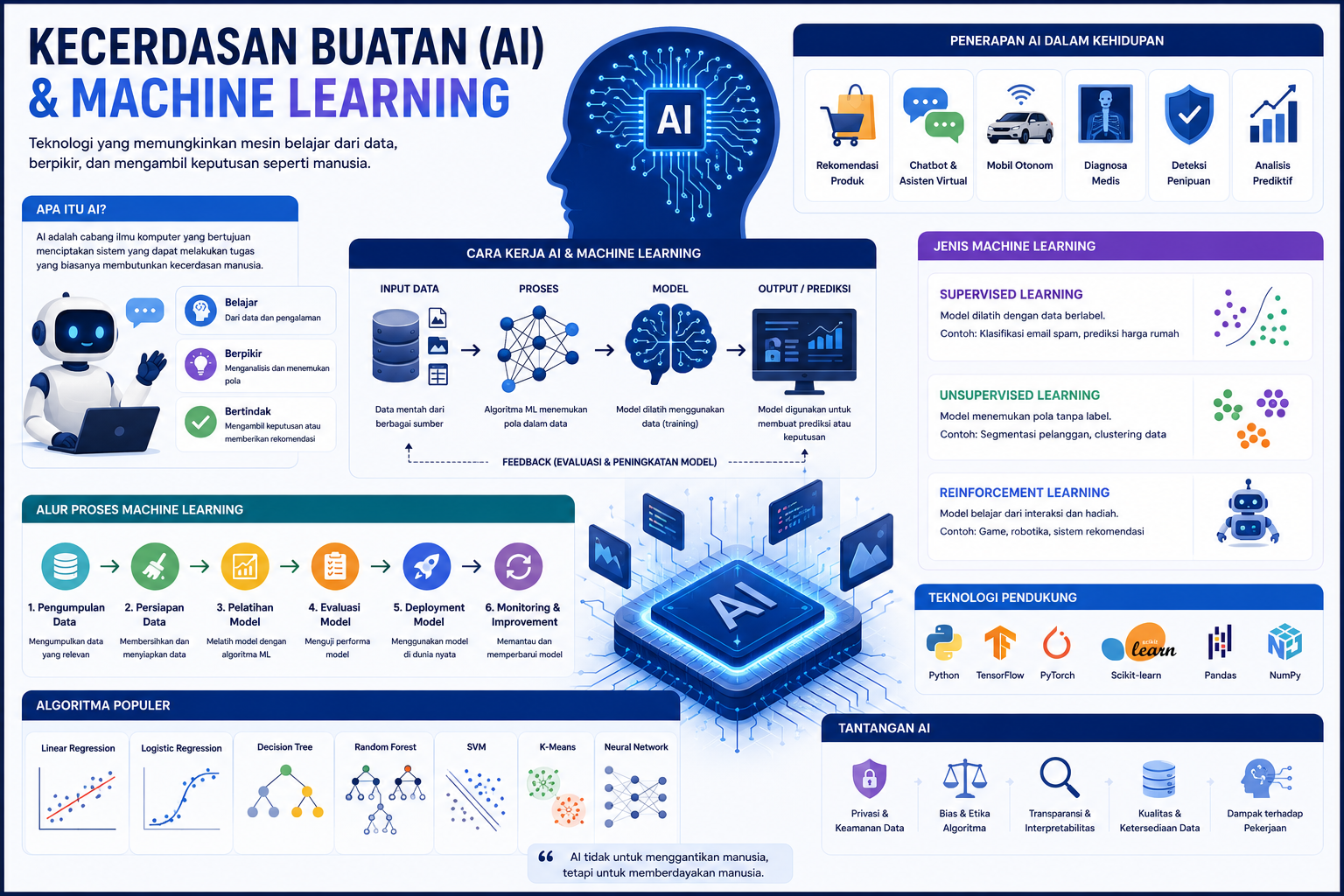
In healthcare, AI-powered diagnostics are outperforming human experts in detecting rare diseases, yet patients often remain unaware of the AI’s role in their treatment. This "invisible AI" trend raises ethical questions about transparency—how much should users know when their outcomes are influenced by algorithms? As we move forward, balancing innovation with accountability will be critical to maintaining public trust.
Blockchain Beyond Cryptocurrency: Redefining Trust
While Bitcoin and Ethereum dominate blockchain conversations, the technology’s potential extends far beyond finance. In 2026, blockchain is being harnessed for secure data sharing in supply chains, enabling real-time transparency for products like pharmaceuticals and organic produce. For example, a pilot project in Southeast Asia uses blockchain to track palm oil sourcing, ensuring ethical labor practices Blockchain in Ethical Sourcing.
Another groundbreaking use case is in digital identity verification. Governments in Europe are piloting blockchain-based ID systems that allow citizens to control their personal data, reducing identity theft risks. This shift from centralized to decentralized identity management could disrupt traditional cybersecurity paradigms. However, challenges like regulatory compliance and interoperability remain hurdles for mass adoption.
The Rise of Decentralized Finance (DeFi): A New Financial Ecosystem
Decentralized Finance (DeFi) is redefining how we perceive traditional banking. Unlike conventional systems reliant on intermediaries, DeFi platforms leverage smart contracts to automate lending, borrowing, and trading. In 2026, over 12% of global microfinance transactions occur via DeFi apps, providing financial access to underserved populations.

However, DeFi’s growth isn’t without risks. The 2025 "Smart Contract Winter" exposed vulnerabilities in automated protocols, leading to billions in losses. Regulatory bodies are now pushing for hybrid models that combine DeFi’s efficiency with centralized oversight. This balancing act will determine whether DeFi becomes a mainstream financial tool or remains a niche innovation.
Human-Computer Symbiosis: The Next Frontier
The most profound tech trends of 2026 lie in their ability to merge human and machine capabilities. Augmented Reality (AR) is evolving beyond gaming—enterprises use AR glasses for real-time language translation during international negotiations. Similarly, brain-computer interfaces (BCIs) are helping paralyzed individuals regain mobility, blurring the line between biology and technology.
Yet, this symbiosis raises ethical dilemmas. Should employers monitor employees’ cognitive activity via BCIs? How do we protect privacy when AR overlays contextual data about people in real time? These questions highlight the need for global frameworks to govern emerging tech responsibly.
Future Outlook: Navigating the Tech-Driven Landscape
As we approach 2027, the key challenge will be adapting to technologies that outpace our ability to regulate them. Policymakers must collaborate with innovators to create agile governance models. Meanwhile, consumers need to become more tech-literate to make informed decisions about AI, blockchain, and DeFi tools.
The silent revolutions we’re witnessing today—whether in AI-driven energy grids or blockchain-based identities—will shape the world we inherit tomorrow. By recognizing these unseen changes, we can better prepare for a future where technology is not just a tool, but an integral part of our existence.
Key Takeaways
- AI is becoming an invisible force in healthcare, urban planning, and climate solutions.
- Blockchain’s applications in supply chain transparency and digital identity are gaining traction.
- DeFi is expanding financial inclusion but requires regulatory safeguards.
- Human-machine integration raises ethical questions about privacy and autonomy.
The next decade will test our ability to harness innovation responsibly. By staying informed about these trends, we can ensure technology serves humanity—not the other way around.
--- *This article is part of a series exploring 2026 tech trends. For deeper insights into the silent innovations shaping our world, see 2026’s Hidden Tech Revolution and Silent Changes in Urban Systems.*