Beyond the Hype: The Quiet Technological Revolutions Reshaping Our Daily Lives in 2026
Beyond the Hype: The Quiet Technological Revolutions Reshaping Our Daily Lives in 2026
When we think of technological breakthroughs, our minds often jump to flying cars, humanoid robots, or massive futuristic infrastructures. However, the most significant technological news and trends in 2026 aren't always the loudest. Instead, we are witnessing a paradigm shift where "invisible innovation" is quietly integrating into the fabric of our everyday existence. From the way we process financial transactions to the underlying algorithms that curate our digital experiences, the current technological landscape is defined by seamless integration rather than disruptive spectacle.
The Rise of Ambient Intelligence
One of the most profound shifts in the current technology trends is the transition from active computing to ambient intelligence. We no longer need to pull out a smartphone to interact with the digital world; the environment around us is becoming the interface. Smart homes, responsive workplaces, and connected cities are leveraging sensor fusion and edge AI to anticipate human needs before they are explicitly articulated.
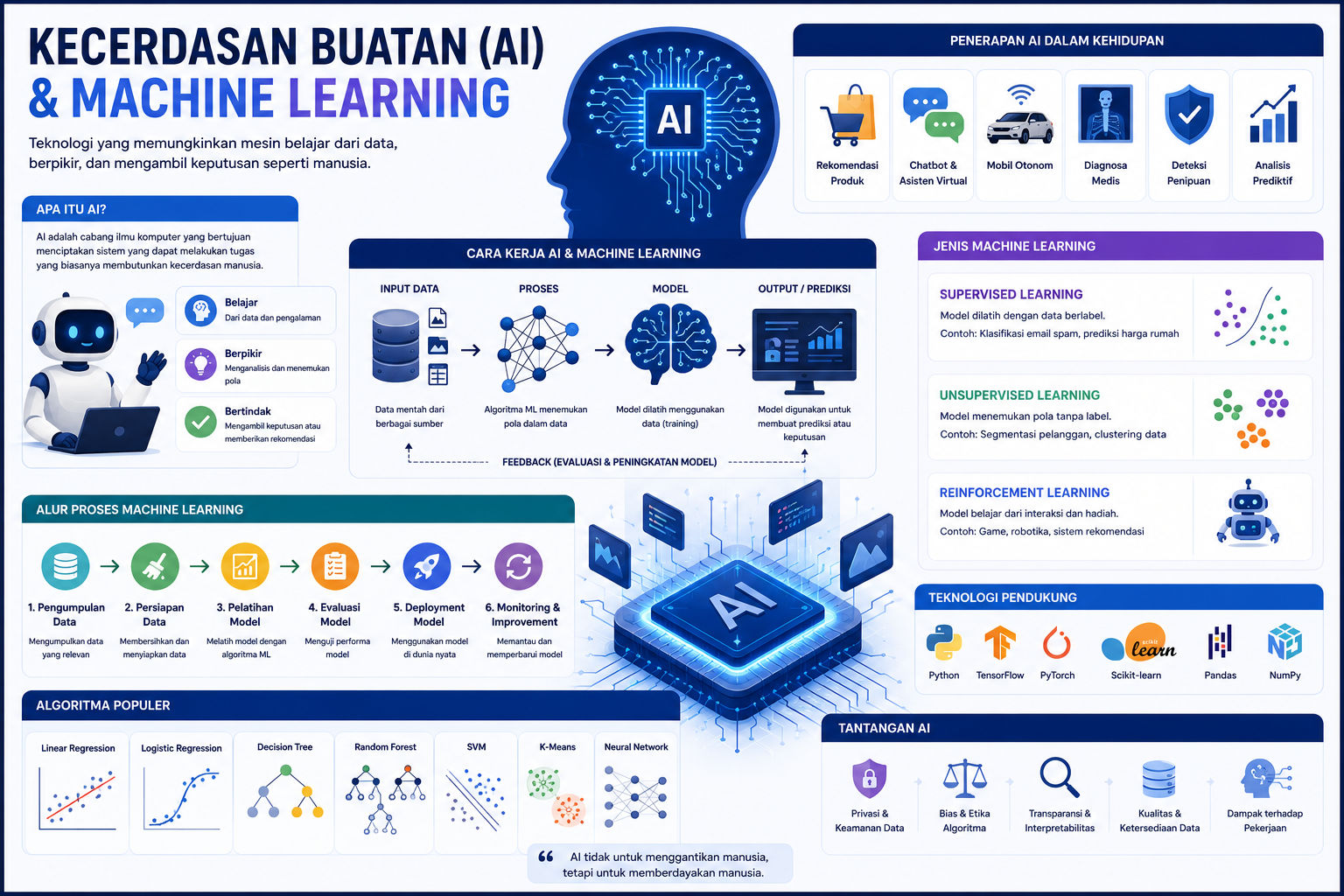
This trend is heavily driven by advancements in machine learning models that are small enough to run on micro-power devices. These localized AI systems ensure privacy and reduce latency, marking a stark contrast to the cloud-dependent architectures of the previous decade. As these systems become more intuitive, the boundary between the physical and digital realms continues to blur, creating a truly immersive technological ecosystem.
Quantum Computing Enters the Practical Era
For years, quantum computing remained a theoretical marvel confined to research laboratories. In 2026, however, we are seeing the dawn of practical quantum utility. It is no longer just about qubit count; it is about error correction and algorithmic efficiency. Recent technological news highlights how major breakthroughs in logical qubits are allowing quantum machines to solve specific, complex optimization problems that are impossible for classical supercomputers.
Industries such as pharmaceuticals, materials science, and logistics are beginning to feel the impact. Simulating molecular interactions for drug discovery, which used to take months, can now be achieved in days. This quiet revolution in computational power is set to redefine the limits of human innovation, pushing us toward solutions for climate change and incurable diseases.
The Financial Infrastructure Overhaul
The backbone of the global economy is undergoing a massive, albeit quiet, transformation. The integration of decentralized finance (DeFi) protocols with traditional banking systems has moved past the experimental phase. We are now observing the emergence of hybrid financial models that offer the security and regulatory compliance of traditional finance with the speed and transparency of blockchain technology.
Central Bank Digital Currencies (CBDCs) are also gaining traction, fundamentally altering how monetary policy is implemented. According to recent tech news, several nations have successfully piloted CBDCs that allow for programmable money. This means governments can track fund allocation in real-time and ensure that stimulus packages reach their intended recipients without leakage, marking a significant shift in the global financial infrastructure.
Emotional AI and Ethical Computing
Perhaps the most controversial yet fascinating trend is the advancement of Emotional AI (Affective Computing). Machines are increasingly capable of detecting, interpreting, and responding to human emotions. While this opens up incredible avenues for mental health support and personalized education, it also raises profound ethical questions regarding privacy and manipulation.
As highlighted in discussions surrounding the latest technology trends, the focus in 2026 is shifting towards ethical computing. Developers and policymakers are racing to establish frameworks that prevent the misuse of emotional data. The goal is to create technology that empathizes with the user without exploiting their psychological vulnerabilities, ensuring that human dignity remains at the center of digital innovation.
Sustainable Tech: The Green Imperative
Technology is also turning its focus inward to address its own environmental footprint. The exponential growth of data centers powering AI and cloud computing has led to a crisis in energy consumption. In response, the tech industry is pioneering green computing initiatives. This includes the development of carbon-aware computing, where workloads are shifted to times and locations where renewable energy is abundant on the grid.
Furthermore, advancements in semiconductor manufacturing are leading to highly efficient chips that require significantly less power. This quiet revolution in sustainable hardware is crucial for ensuring that our digital future does not come at the expense of our planet's ecological stability.
Conclusion: Embracing the Subtle Shift
The technological narrative of 2026 is not characterized by a single, disruptive invention, but by the convergence of multiple subtle advancements. Ambient intelligence, practical quantum utility, financial overhauls, emotional AI, and sustainable computing are collectively reshaping our world. By looking beyond the flashy headlines and understanding these underlying currents, we can better prepare for a future where technology is not just a tool we use, but an environment we inhabit. The true revolution is happening quietly, and it is already here.