The Unseen Tapestry: Weaving the Future from Today's Tech Trends
In an era defined by relentless innovation, the landscape of technology is not merely evolving; it's undergoing a profound metamorphosis. What often appears as a series of isolated breakthroughs—a new AI model here, a blockchain application there, a quantum computing milestone somewhere else—is, in fact, an intricate, interwoven tapestry of advancements. This article delves into the latest technology news and trends, not just by listing them, but by exploring the unseen threads that connect them, revealing how these diverse innovations are synergistically shaping a future that is quietly revolutionary.
The unique perspective here lies in understanding the 'convergence' – how artificial intelligence, quantum computing, Web3, extended realities, and sustainable tech are not just coexisting but actively influencing and amplifying one another. This convergence creates a powerful, emergent force far greater than the sum of its individual parts, redefining industries, societal structures, and the very essence of human interaction with the digital world.
The Symbiotic Dance of AI and Data: The Ubiquitous Intelligence
Artificial Intelligence (AI) continues to dominate headlines, its reach expanding exponentially across every sector. From the astounding capabilities of generative AI models that create art, write code, and compose music, to sophisticated machine learning algorithms powering autonomous vehicles and personalized healthcare, AI is no longer a futuristic concept but an integral part of our daily lives.
The latest advancements in AI are heavily dependent on two critical factors: vast datasets and unprecedented computational power. Large Language Models (LLMs) and diffusion models, for instance, learn from petabytes of information, identifying patterns and generating novel outputs with startling accuracy. This data-driven evolution of AI is creating hyper-personalized experiences, automating complex tasks, and offering insights previously unimaginable.
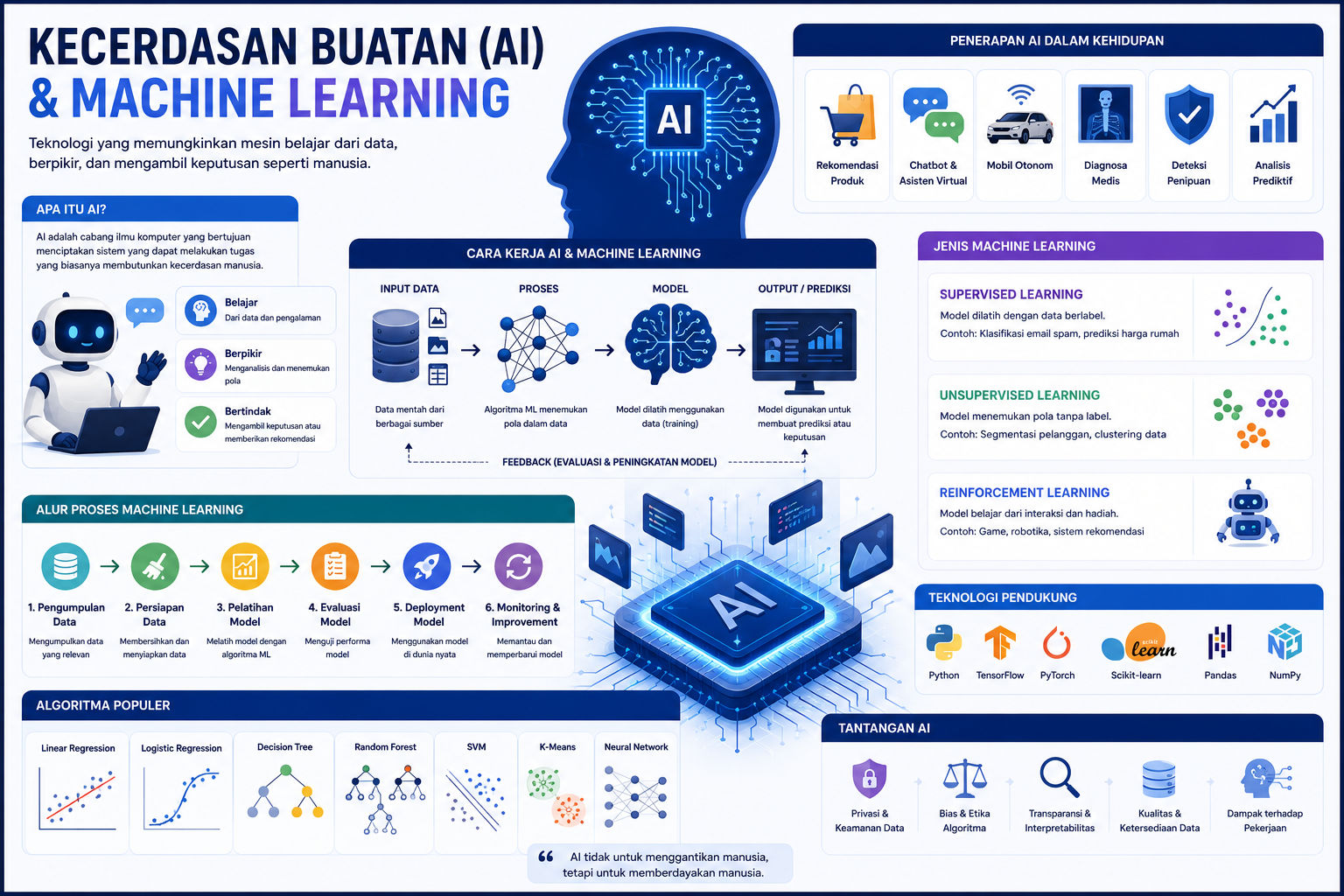
However, the proliferation of AI also brings to the fore critical discussions around ethics, bias, privacy, and job displacement. Companies and policymakers are grappling with how to regulate AI responsibly, ensuring its development aligns with human values and societal well-being. The challenge lies not just in advancing AI's capabilities but in integrating it ethically and equitably into human society.
Quantum's Whisper: Reshaping the Foundations of Computation
While AI operates largely within the realm of classical computing, a more profound shift is brewing in the subatomic world: quantum computing. Though still in its nascent stages, quantum technology promises to transcend the limits of traditional silicon-based processors, tackling problems that are currently intractable for even the most powerful supercomputers.
Recent breakthroughs in quantum supremacy, error correction, and the development of more stable qubits signal a slow but steady march towards practical quantum applications. This isn't just about faster computation; it's about a fundamentally different way of processing information, leveraging phenomena like superposition and entanglement. Imagine drug discovery accelerated to unprecedented speeds, complex financial models optimized in real-time, or cryptographic puzzles solved instantly. Quantum computing isn't here to replace classical computers for everyday tasks, but to revolutionize fields that demand immense computational power and novel problem-solving approaches.
The potential synergy between AI and quantum computing is particularly exciting. Quantum machine learning, for instance, could enable AI algorithms to process information with vastly greater efficiency and uncover deeper patterns within data, leading to a new era of "super-intelligent" AI. The secure backbone provided by quantum cryptography could also underpin future digital infrastructures, protecting data from even the most sophisticated attacks.
Web3 and the Decentralized Dream: A New Digital Paradigm
Beyond centralized platforms, Web3 represents a vision for a decentralized internet, built on blockchain technology. This paradigm shift promises user ownership of data, digital assets, and governance, moving away from the "platform economy" dominated by tech giants. Key components of Web3 include cryptocurrencies, Non-Fungible Tokens (NFTs), Decentralized Autonomous Organizations (DAOs), and the Metaverse.
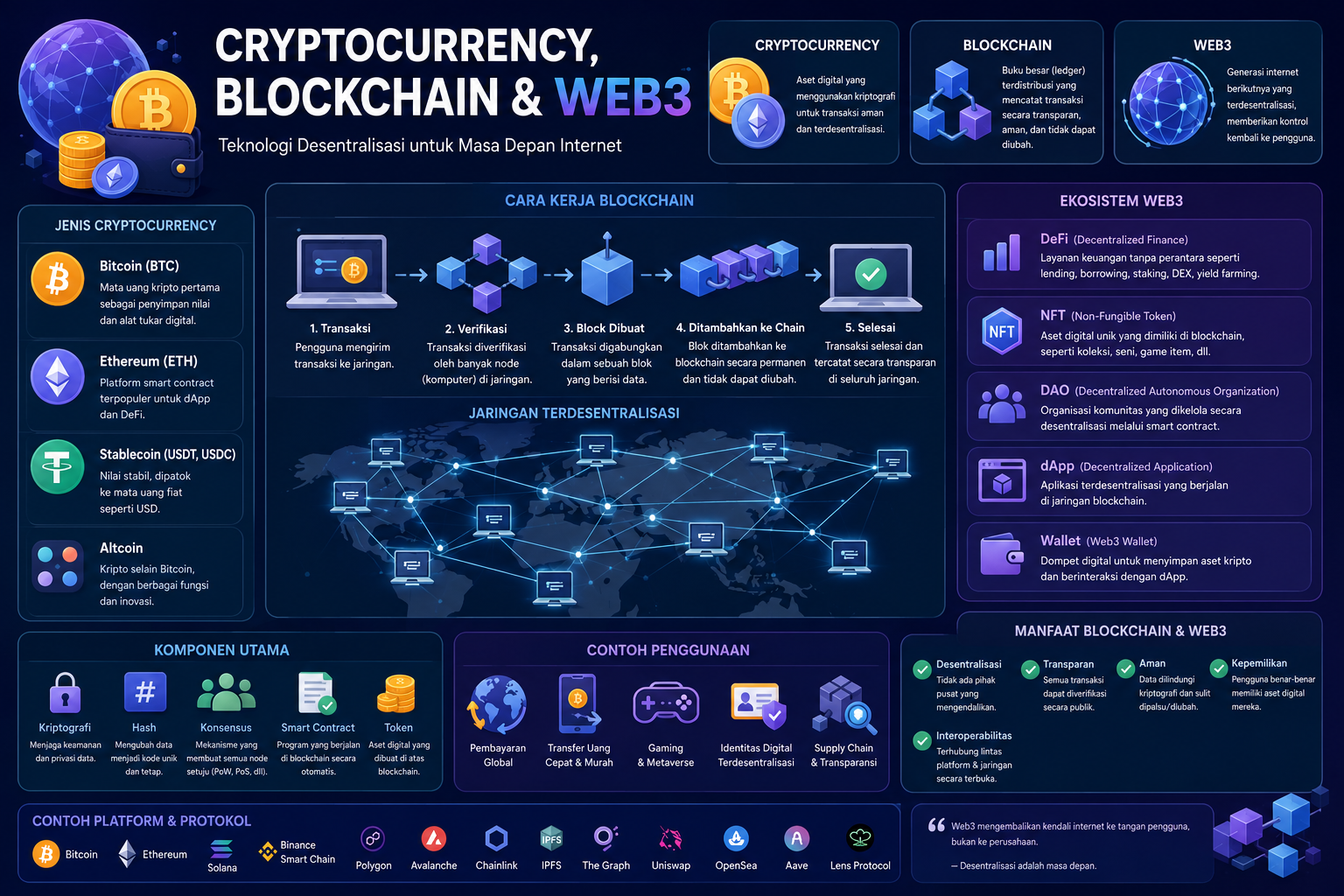
Recent trends show a maturing of the Web3 space. While the initial hype around NFTs and certain cryptocurrencies has cooled, the underlying blockchain technology is finding robust applications in supply chain management, digital identity, secure data sharing, and creating genuinely decentralized applications (dApps). The Metaverse, envisioned as an immersive, persistent digital world, is also evolving, with increasing investments from major tech companies and burgeoning developer communities building interoperable virtual experiences.
The promise of Web3 lies in its potential to redistribute power, empower creators, and foster new forms of digital community and economy. However, challenges persist, including scalability issues, regulatory uncertainties, user experience complexities, and the significant energy consumption of some blockchain networks. Nevertheless, its foundational principles of decentralization and user empowerment continue to drive innovation and attract substantial investment.
Extended Realities: Blurring the Lines of Perception
Augmented Reality (AR), Virtual Reality (VR), and Mixed Reality (MR)—collectively known as Extended Realities (XR)—are rapidly moving from niche gaming peripherals to powerful tools transforming industries and social interaction. Headsets are becoming lighter, more powerful, and increasingly affordable, paving the way for wider adoption.
In the enterprise sector, XR is revolutionizing training, remote collaboration, product design, and maintenance. Surgeons can practice complex procedures in VR, engineers can collaborate on 3D models in AR, and technicians can receive remote assistance through mixed reality overlays. For consumers, the lines between the physical and digital are blurring, offering new forms of entertainment, immersive storytelling, and virtual social spaces.
The advancement of AI is crucial for the evolution of XR. AI algorithms enhance spatial mapping, enable realistic avatars, improve gesture recognition, and personalize virtual environments, making XR experiences more intuitive and believable. As hardware improves and AI integration deepens, XR is poised to become the next major computing platform, fundamentally changing how we interact with information and with each other.
Sustainable Tech & Green Innovation: The Imperative for a Healthier Planet
Amidst the rapid technological acceleration, there is a growing, vital trend: the drive towards sustainable technology and green innovation. As the climate crisis intensifies, the tech industry is increasingly focusing on developing solutions that minimize environmental impact and promote ecological sustainability.
This includes advancements in renewable energy technologies, such as more efficient solar panels and advanced battery storage solutions, powered by AI for optimal deployment. It also encompasses green computing practices, aiming to reduce the energy consumption of data centers and digital infrastructures. Furthermore, technology is being leveraged for environmental monitoring, precision agriculture, smart cities, and circular economy initiatives, using sensors, AI, and IoT to optimize resource use and reduce waste.
The move towards sustainable tech is not just an ethical choice but an economic imperative. Consumers and investors are increasingly demanding eco-friendly products and practices, pushing companies to integrate sustainability into their core strategies. This trend signifies a shift in technological development, where environmental responsibility is becoming as crucial as innovation itself.
The Unseen Threads: Convergence and Its Profound Impact
The true power of these individual trends lies in their convergence. Understanding these 'unseen threads' reveals how one innovation often fuels another, creating a ripple effect across the entire digital ecosystem. For instance:
- AI algorithms, running on increasingly powerful traditional and potentially quantum-enhanced hardware, are making XR experiences more immersive and interactive.
- Blockchain technology (Web3) can provide secure, transparent frameworks for managing digital assets within the Metaverse and authenticating AI-generated content.
- Quantum computing could not only bolster the security of Web3 networks but also accelerate the development of complex AI models far beyond current capabilities.
- Sustainable tech principles are increasingly being applied to the energy-intensive operations of AI training and blockchain mining, pushing for greener computational infrastructure.
- The vast amounts of data generated by XR environments and Web3 interactions provide new training fodder for advanced AI models.
This symphony of innovation is creating a future where digital and physical realities are increasingly intertwined, where intelligence is ubiquitous, and where ownership and interaction are redefined. Workforces are adapting to AI collaborators and virtual workplaces. Education is becoming more personalized and immersive through XR. Healthcare is transforming with AI diagnostics and quantum-enhanced drug discovery. Even our understanding of identity and community is being reshaped by decentralized digital frameworks.
Challenges and the Path Forward: Navigating the Quiet Revolution
While the opportunities are immense, this quiet revolution also presents significant challenges. The digital divide could widen if access to these advanced technologies is not equitable. Ethical dilemmas surrounding AI bias, data privacy in Web3, and the psychological impact of immersive realities require careful consideration and proactive regulation. Cybersecurity threats become more sophisticated as technologies advance. The speed of change itself can be overwhelming, demanding constant adaptation from individuals and institutions alike.
Navigating this complex future requires a multi-faceted approach. It demands robust ethical frameworks for AI, transparent governance models for Web3, and sustained investment in research and development for quantum computing. Education and lifelong learning are paramount to equip individuals with the skills needed to thrive in an AI-augmented, digitally decentralized world. Collaboration between governments, industry, academia, and civil society will be crucial to ensure that these technological advancements serve humanity's best interests.
Conclusion: Engaging with the Evolving Future
The latest technology news and trends paint a picture of a world in constant flux, driven by an accelerating pace of innovation. By recognizing the unseen tapestry that connects these seemingly disparate advancements, we gain a deeper understanding of the transformative power at play. It's not just about what each technology can do individually, but how they converge to create entirely new possibilities, challenges, and realities.
This is a quiet revolution, not marked by sudden explosions but by a steady, pervasive reweaving of our digital and physical existence. To truly grasp the future, we must look beyond the surface of individual trends and appreciate the intricate, dynamic interplay that defines our technological destiny. Engaging consciously with this evolving landscape, understanding its interconnections, and shaping its ethical development are the most critical tasks of our time.