The Symbiotic Future: How Human-Centric Values are Steering the Latest Technology Trends
In an era defined by relentless innovation, the landscape of technology shifts at an unprecedented pace. From the burgeoning capabilities of artificial intelligence to the immersive promises of the metaverse, the current technological currents are not merely about what machines can do, but increasingly about how they integrate with, serve, and transform human experience. This article delves into the most compelling current technology news & trends, viewed through a unique lens: the growing imperative of human-centric values and ethical considerations guiding their development and deployment. We are moving beyond a phase of pure technological might, entering an era where innovation is judged not just by its power, but by its positive impact on humanity and its adherence to societal well-being.
The Pervasive Reach of Artificial Intelligence: Beyond Algorithms to Ethics
Artificial Intelligence (AI) continues to dominate headlines and drive significant technological advancements. What began as sophisticated algorithms for data processing has evolved into generative AI, capable of creating content, designing systems, and even composing music. Tools like large language models (LLMs) and image generation algorithms are democratizing creativity and automating complex tasks, promising efficiency gains across every sector.
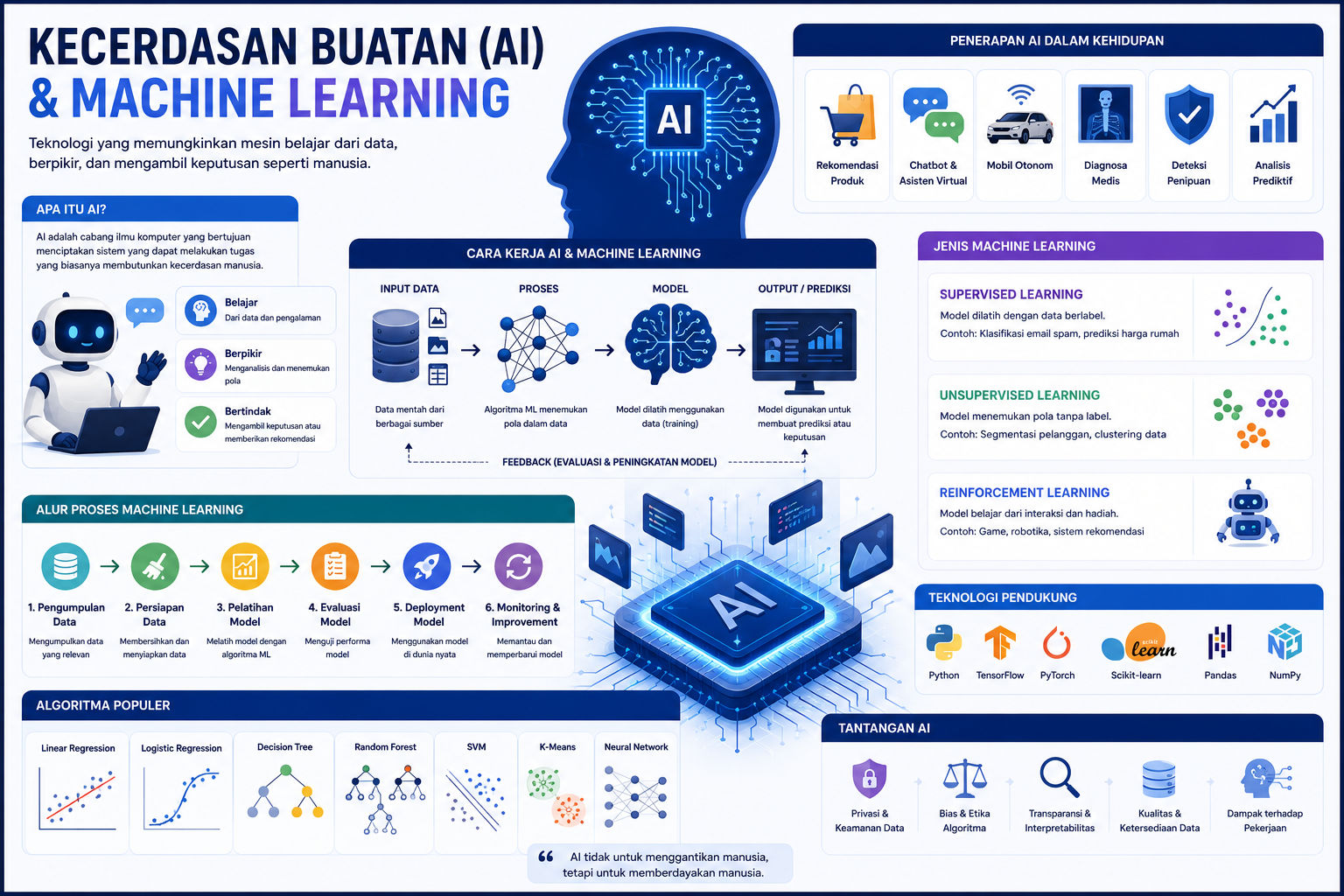
However, the narrative around AI is no longer solely about its impressive capabilities. A critical focus has emerged on ethical AI—addressing issues of bias in algorithms, data privacy, accountability, and the potential for job displacement. Governments, corporations, and academic institutions are increasingly investing in frameworks and regulations to ensure AI systems are developed responsibly. The discussion has matured from simply asking "Can we build it?" to "Should we build it, and if so, how do we ensure it serves all of humanity fairly?" This shift highlights a profound recognition that technological progress without ethical grounding can lead to unforeseen and detrimental societal consequences. The push for explainable AI (XAI), fair AI, and privacy-preserving AI reflects a collective effort to align AI’s trajectory with human values.
Web3 and the Decentralized Future: Reclaiming Ownership and Trust
The concept of Web3, powered by blockchain technology, continues to gain momentum, promising a new iteration of the internet characterized by decentralization, user ownership, and enhanced security. This umbrella term encompasses cryptocurrencies, NFTs (Non-Fungible Tokens), DAOs (Decentralized Autonomous Organizations), and the metaverse.
The appeal of Web3 lies in its potential to fundamentally alter the power dynamics of the digital world. Instead of centralized entities controlling data and platforms, Web3 aims to give users more control over their digital identities, assets, and online experiences. This movement responds directly to growing concerns about data privacy, corporate censorship, and the monopolistic tendencies of Web2 giants. NFTs, for instance, offer a verifiable way to own digital assets, from art to virtual real estate, fostering new creator economies. DAOs propose a democratic model for organizational governance, where decisions are made by collective consensus rather than hierarchical structures.
While still in its nascent stages, with challenges around scalability, energy consumption, and regulatory clarity, Web3 embodies a human-centric desire for autonomy and transparency. Its development is a direct counter-narrative to the current internet's architecture, striving to build a more equitable and trustless digital commons where individuals, rather than intermediaries, hold the keys to their digital lives. The ongoing debates and innovations in this space are defining the very structure of our future online interactions.
The Metaverse: Bridging Physical and Digital Realities with Purpose
Once a concept largely confined to science fiction, the metaverse is rapidly evolving into a tangible digital frontier. It envisions persistent, interconnected virtual worlds where users can interact with each other, digital objects, and AI avatars in immersive, real-time environments. Beyond gaming and entertainment, companies are exploring its applications in remote work, education, healthcare, and retail, offering new ways to collaborate, learn, and socialize.
The unique angle here is not just the technology itself—VR headsets, AR glasses, haptic feedback suits—but the profound implications for human interaction and experience. As the metaverse develops, critical human-centric questions arise: How do we ensure these virtual spaces are inclusive and accessible? How do we protect users from harassment, misinformation, and digital addiction? What are the ethical boundaries of identity and ownership in virtual worlds? The design choices made today will determine whether the metaverse becomes a utopian extension of human capability or a dystopian escape from reality.
The focus on building "responsible metaverses" that prioritize user well-being, digital ethics, and interoperability is a testament to the increasing awareness that technological advancement must be paired with thoughtful societal integration. Companies and developers are grappling with creating robust content moderation, identity management, and economic systems within these virtual realms, striving to build digital spaces that truly enhance, rather than detract from, human flourishing.
Sustainable Technology and Green Innovation: Tech for a Healthier Planet
In an era marked by escalating climate concerns, the latest technology trends are increasingly being viewed through an ethical and human-centric lens that includes environmental responsibility. Sustainable technology and green innovation are no longer niche areas but mainstream imperatives. This involves developing technologies that minimize environmental impact, conserve resources, and contribute to a circular economy.
Innovations span various domains:
- Renewable Energy Solutions: Advanced solar panels, wind turbines, and energy storage systems are becoming more efficient and cost-effective, driving the global transition away from fossil fuels.
- Precision Agriculture: IoT sensors, AI analytics, and drones are optimizing farming practices, reducing water usage, pesticide application, and land degradation, ensuring food security with less environmental strain.
- Circular Economy Technologies: Innovations in recycling, waste-to-energy conversion, and sustainable materials science are reducing waste and promoting resource efficiency.
- Smart Grids and Energy Management: AI-powered systems are optimizing energy distribution and consumption, leading to significant reductions in waste.
The human-centric aspect here is profound: a collective responsibility to preserve our planet for future generations. Technology is being harnessed not just for profit or convenience, but as a critical tool for environmental stewardship. This shift reflects a growing understanding that human well-being is inextricably linked to ecological health, and technology must play a pivotal role in achieving a sustainable future.
Biotechnology and Health Tech: Personalizing Wellness and Extending Life
Advances in biotechnology and health technology are ushering in an era of personalized medicine and proactive wellness. From CRISPR gene editing to advanced wearables and AI-powered diagnostic tools, technology is redefining how we understand, monitor, and treat human health.
- Personalized Medicine: Genetic sequencing and AI analytics allow for treatments tailored to an individual's unique biological makeup, leading to more effective therapies and fewer side effects.
- Digital Health Platforms: Telemedicine, remote patient monitoring, and AI-driven health apps are making healthcare more accessible, especially in underserved areas, and empowering individuals to take a more active role in managing their health.
- Wearable Technology: Smartwatches and other biometric trackers continuously monitor vital signs, sleep patterns, and activity levels, providing early warnings for potential health issues and fostering healthier lifestyles.
The human-centric lens in this domain is obvious, yet also complex. While the potential for extending healthy lifespans and eradicating diseases is immense, these technologies also raise critical ethical questions about genetic privacy, equitable access to advanced treatments, the implications of altering human biology, and the potential for digital health disparities. Ensuring that these life-changing innovations are developed and distributed equitably, respecting individual autonomy and privacy, is paramount. The goal is to leverage technology to enhance human vitality, not to create new forms of inequality or ethical dilemmas.
The Imperative of Cybersecurity in a Hyper-Connected World
As technology becomes more integrated into every facet of our lives, the importance of robust cybersecurity measures has never been greater. Current trends show an exponential increase in sophisticated cyber threats, from state-sponsored attacks and ransomware to data breaches and identity theft. The human-centric aspect of cybersecurity is fundamental: protecting individuals' privacy, financial security, and digital well-being.
Innovations in this space include AI and machine learning for threat detection, quantum-resistant cryptography, and zero-trust architectures. The focus is shifting from reactive defense to proactive threat intelligence and adaptive security systems. Furthermore, there's a growing emphasis on human factors in cybersecurity—educating users about phishing, strong password practices, and digital hygiene. Organizations are increasingly recognizing that technology alone cannot solve the cybersecurity challenge; it requires a combination of advanced tools, vigilant processes, and an informed human element.
Protecting critical infrastructure, personal data, and national security in the digital realm is a collective responsibility, underscoring how technology, while offering incredible advancements, also introduces vulnerabilities that demand a human-first approach to defense and resilience.
Conclusion: Crafting a Future Where Technology Serves Humanity
The current technology news and trends paint a picture of rapid, transformative change. However, what truly distinguishes this era is not just the speed or scale of innovation, but the growing awareness and deliberate effort to imbue these advancements with human-centric values. From ethical AI development and decentralized Web3 architectures to sustainable green tech and personalized health solutions, the conversation has moved beyond mere capability to encompass responsibility, equity, and impact.
The future of technology is not a predetermined path but a landscape we are actively shaping. The ongoing dialogue around privacy, fairness, accessibility, and environmental stewardship indicates a maturing technological ecosystem. Innovators, policymakers, and users alike are increasingly recognizing that the ultimate measure of technological progress is its ability to foster a more inclusive, sustainable, and humane world. As we navigate this exciting and complex journey, the symbiotic relationship between human values and technological advancement will be the guiding star, ensuring that the innovations of today truly build a better tomorrow for all.