The Future of Technology: Unveiling the Latest Trends and Innovations
Technology is evolving at an unprecedented pace, with new innovations and trends emerging every day. In this article, we will explore the latest technology trends and their potential impact on various industries and our daily lives.
Artificial Intelligence (AI) and Machine Learning
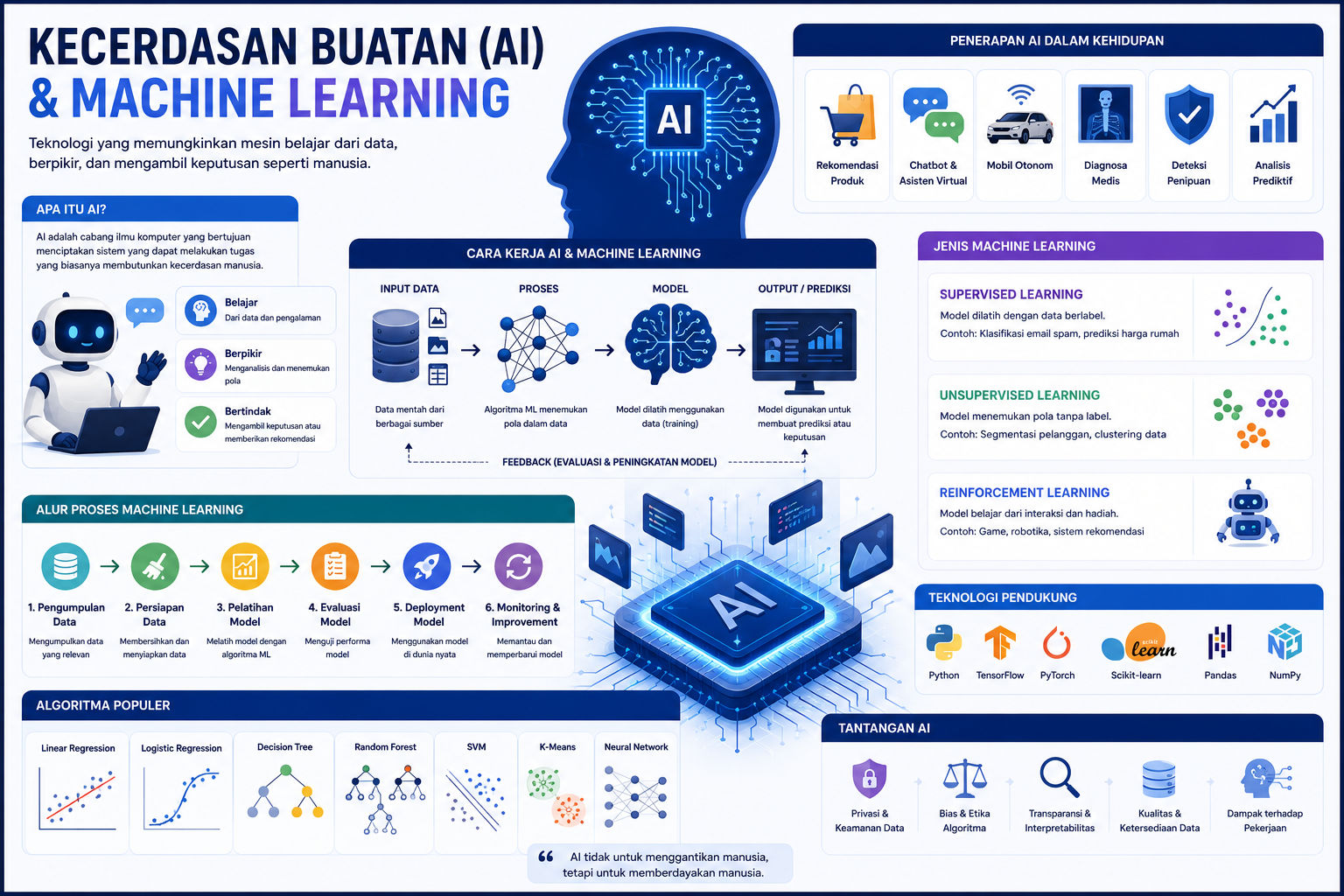
Artificial Intelligence (AI) and Machine Learning (ML) are transforming the way we live and work. AI refers to the simulation of human intelligence in machines, enabling them to perform tasks that typically require human intelligence, such as visual perception, speech recognition, decision-making, and language translation. Machine Learning, a subset of AI, involves the use of algorithms and statistical models to enable machines to perform tasks without explicit programming.
AI and ML are being applied across various industries, including healthcare, finance, retail, and transportation. In healthcare, AI-powered diagnostic tools can analyze medical images and detect diseases with high accuracy. In finance, algorithms can be used for fraud detection, risk management, and personalized investment advice. Retail companies are leveraging AI to improve customer experience through personalized recommendations and chatbots. The transportation industry is benefiting from AI-powered autonomous vehicles and traffic management systems.
As AI and ML continue to advance, we can expect to see even more innovative applications and a significant impact on job markets and societal structures.
Digital Transformation
Digital transformation is the process of integrating digital technology into all aspects of a business, fundamentally changing how it operates and delivers value to customers. This trend is driven by the need for companies to adapt to changing customer expectations, increased competition, and the rapid pace of technological advancements.
Digital transformation encompasses various technologies, including cloud computing, big data analytics, artificial intelligence, and the Internet of Things (IoT). Companies are leveraging these technologies to streamline operations, improve customer experience, and create new revenue streams.
For example, many traditional retailers are embracing e-commerce and omnichannel strategies to provide seamless shopping experiences across online and physical stores. Financial institutions are using digital platforms to offer personalized services and improve customer engagement. Manufacturing companies are implementing IoT devices and data analytics to optimize production processes and supply chain management.
Digital transformation is not just about adopting new technologies; it also requires a cultural shift within organizations, with a focus on innovation, agility, and customer-centricity.
5G Networks
The rollout of 5G networks is set to revolutionize the way we connect and communicate. 5G is the next generation of wireless technology, offering significantly faster speeds, lower latency, and increased network capacity compared to its predecessors.
The benefits of 5G extend beyond faster mobile internet. With its high speed and low latency, 5G will enable new applications and services, such as augmented reality (AR) and virtual reality (VR) experiences, autonomous vehicles, and smart cities.
In the healthcare sector, 5G will facilitate remote surgeries and telemedicine, allowing doctors to perform procedures and consult with patients from a distance. In manufacturing, 5G will enable the widespread adoption of IoT devices, leading to more efficient and connected industrial processes.
As 5G networks become more widespread, we can expect to see a significant impact on various industries and our daily lives, with new opportunities for innovation and growth.
For more information on the latest technology trends, you can check out our article on Aktuelle Technologie-Trends 2026: KI, Quantencomputing und die digitale Transformation.
Cloud Computing
Cloud computing has become an essential technology for businesses of all sizes. It allows organizations to access computing resources, such as storage, processing power, and applications, over the internet, without the need for on-premises infrastructure.
The benefits of cloud computing include cost savings, scalability, flexibility, and improved collaboration. By leveraging the cloud, businesses can reduce their IT costs, scale their operations up or down based on demand, and enable remote work and collaboration.
Cloud computing also enables businesses to adopt new technologies, such as AI and machine learning, without significant upfront investments. Cloud providers offer AI and ML services that can be easily integrated into existing applications and workflows.
As more businesses migrate to the cloud, we can expect to see continued innovation in cloud technologies, including edge computing, multi-cloud strategies, and cloud-native applications.
For more insights on the impact of AI on the financial ecosystem, you can read our article on Dampak AI Generatif pada Ekosistem Finansial.
Cybersecurity
As our reliance on technology continues to grow, so does the need for robust cybersecurity measures. Cybersecurity involves protecting computer systems, networks, and data from digital attacks, unauthorized access, and damage.
The increasing frequency and sophistication of cyber attacks, such as ransomware, phishing, and data breaches, have made cybersecurity a top priority for organizations and individuals alike.
Emerging technologies, such as AI and machine learning, are being leveraged to enhance cybersecurity defenses. AI-powered systems can analyze vast amounts of data to detect and respond to threats in real-time, while machine learning algorithms can identify patterns and anomalies that may indicate a potential attack.
However, the same technologies that can be used to improve cybersecurity can also be exploited by cybercriminals. As a result, organizations must stay vigilant and continuously update their security measures to stay ahead of evolving threats.
In conclusion, the latest technology trends, including AI, digital transformation, 5G networks, cloud computing, and cybersecurity, are shaping the future of our world. As these technologies continue to evolve, it is crucial for individuals and organizations to stay informed and adapt to the changing landscape to seize the opportunities and mitigate the risks associated with these advancements.