Beyond the Buzz: Decoding the Interconnected Future Shaped by Emerging Technologies
The pace of technological advancement today is not merely fast; it's a relentless acceleration that reshapes our world in ways both profound and subtle. From the algorithms that curate our daily feeds to the complex systems powering autonomous vehicles, technology is no longer a peripheral tool but the very fabric of modern existence. To truly understand the current technological landscape, one must look beyond the individual headlines and discern the underlying currents that connect disparate innovations, forming a mosaic of an increasingly interconnected future.
This article delves into the latest technology news and trends, not just by listing them, but by exploring their synergistic relationships and their collective impact on society, economics, and human experience. We aim to offer a unique perspective, moving past the superficial "what" to the more critical "how" and "why" these trends are redefining our tomorrow.
The AI Renaissance: Intelligent Systems Evolve Beyond Expectations
Artificial Intelligence (AI) continues to dominate technology headlines, moving beyond theoretical discussions into tangible applications that permeate every sector. While generative AI models like large language models (LLMs) have captured public imagination with their ability to create text, images, and even code, the AI renaissance extends much further. We are witnessing an era where AI is becoming specialized, embedded, and increasingly autonomous.
- Specialized AI: Beyond general-purpose AI, specialized models are excelling in narrow domains, from drug discovery and material science to climate modeling and personalized education. These highly focused AIs are accelerating research and development in fields previously hampered by computational limits or data complexity.
- AI at the Edge: The deployment of AI directly on devices (edge AI) is enabling real-time processing, enhanced privacy, and reduced latency. This trend is crucial for applications in IoT, smart manufacturing, and autonomous systems where immediate decision-making is paramount.
- Ethical AI and Regulation: As AI becomes more powerful, the imperative for ethical guidelines and robust regulatory frameworks grows. Discussions around data privacy, algorithmic bias, accountability, and the socio-economic impact of AI on employment are at the forefront, shaping policy debates globally.
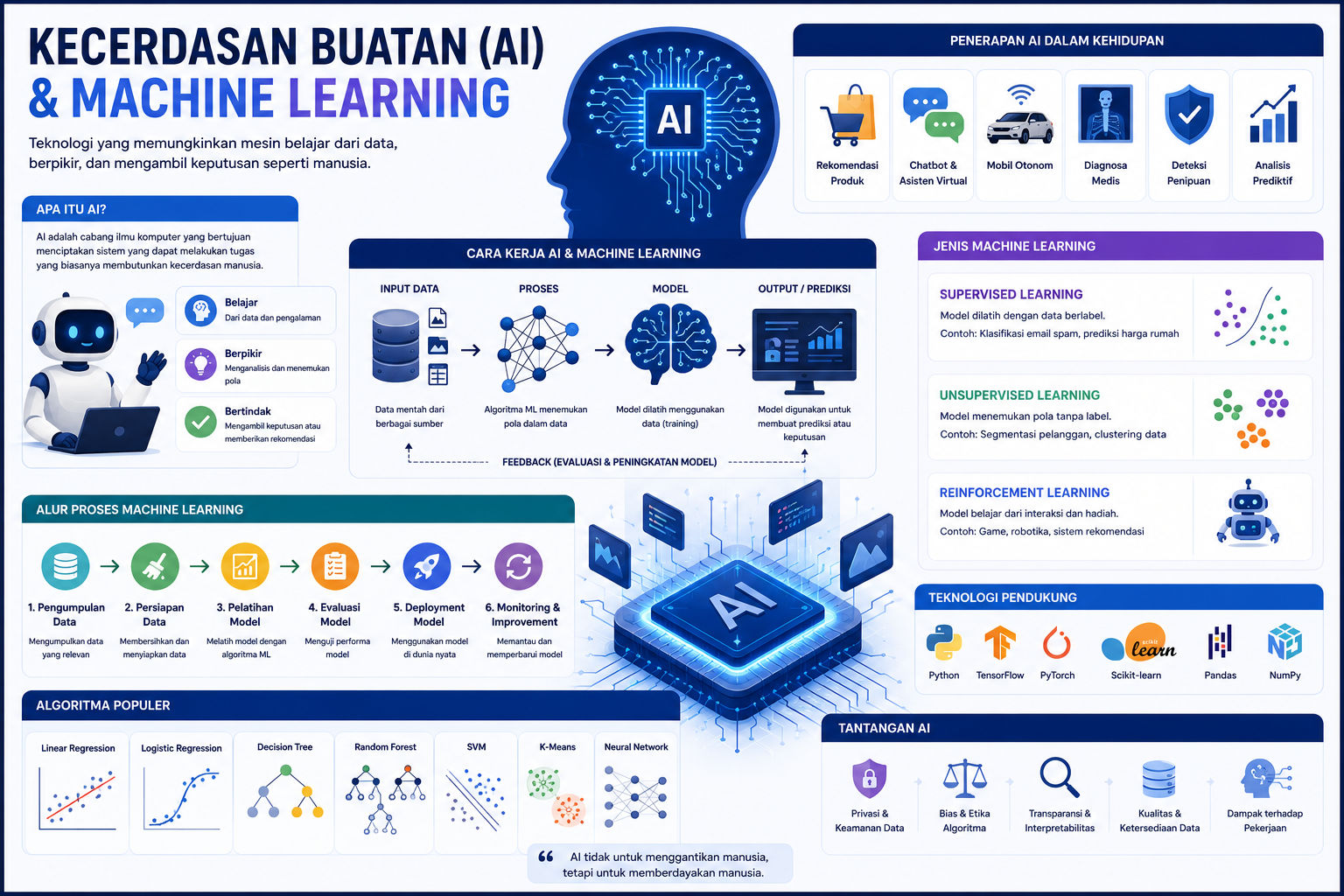
The shift towards more capable and pervasive AI systems demands a comprehensive understanding of their implications, prompting us to consider how these advancements are redefining human experience and societal structures in the 21st century. This paradigm shift requires not only technological innovation but also a societal reckoning with the responsibilities that come with such power.
Quantum Computing: The Dawn of Unimaginable Power
Though still in its nascent stages, quantum computing continues to make significant strides, promising computational power that could dwarf even the most advanced supercomputers today. Unlike classical computers that store information as bits (0s or 1s), quantum computers use qubits, which can exist in multiple states simultaneously (superposition) and be entangled with one another, enabling exponential processing capabilities.
- Progress in Qubit Stability: Researchers are making breakthroughs in improving the stability and coherence times of qubits, crucial steps toward building fault-tolerant quantum computers.
- Algorithm Development: Parallel efforts are focused on developing quantum algorithms tailored for specific problems, such as Shor's algorithm for factoring large numbers and Grover's algorithm for searching unsorted databases, demonstrating potential in cryptography, drug discovery, and financial modeling.
- Hybrid Quantum-Classical Approaches: Current practical applications often involve hybrid models, where quantum processors handle specific computationally intensive tasks, while classical computers manage the overall workflow. This pragmatic approach is paving the way for early commercial applications.
The long-term implications of quantum computing are immense, potentially revolutionizing fields like medicine (simulating molecular interactions), materials science (designing novel materials), and cybersecurity (breaking or creating new encryption methods). While widespread availability is still years away, the foundational work being laid now is critical for the future of computation.
The Evolving Digital Landscape: Web3, Metaverse, and Blockchain's Pragmatic Turn
The initial hype surrounding Web3, the Metaverse, and blockchain technologies has somewhat subsided, making way for a more pragmatic and application-driven development phase. The focus is shifting from speculative assets to tangible solutions that offer real value.
- Blockchain for Real-World Problems: Beyond cryptocurrencies, blockchain technology is proving its utility in supply chain management, digital identity verification, intellectual property rights, and transparent voting systems. Companies are increasingly exploring private and consortium blockchains to streamline operations and enhance trust.
- Metaverse's Enterprise Utility: While consumer-facing metaverses are still finding their footing, the enterprise metaverse is gaining traction. Companies are using immersive virtual environments for remote collaboration, employee training, product prototyping, and customer engagement, offering new dimensions to digital interaction.
- Decentralized Finance (DeFi) Evolution: DeFi continues to innovate, with a growing emphasis on regulatory compliance, security audits, and user-friendly interfaces, aiming to make financial services more accessible and transparent.
These technologies are building blocks for a more decentralized, immersive, and verifiable digital future. Their maturation suggests a movement towards integrating these capabilities into existing infrastructure rather than completely replacing it, providing incremental but significant improvements to how we interact with digital information and assets.
Sustainable Technology & Green Innovation: Tech as an Environmental Ally
As climate change remains a pressing global concern, technology is increasingly positioned as a critical ally in fostering sustainability. The trend towards "green tech" encompasses innovations designed to mitigate environmental impact, optimize resource use, and promote a circular economy.
- Renewable Energy Advancements: Breakthroughs in solar panel efficiency, wind turbine technology, and energy storage solutions (e.g., solid-state batteries) are making renewable energy more viable and cost-effective. Smart grids leveraging AI are optimizing energy distribution and consumption.
- Precision Agriculture and Agri-Tech: Drones, IoT sensors, and AI are transforming agriculture, enabling precision farming that reduces water usage, optimizes fertilizer application, and minimizes waste, leading to more sustainable food production.
- Circular Economy & E-Waste Management: There's a growing emphasis on designing technology for longevity, repairability, and recyclability. Innovations in e-waste processing and the development of biodegradable electronics aim to reduce the environmental footprint of technological products.
- Carbon Capture and Climate Modeling: Advanced technologies are being developed for direct air capture of carbon dioxide and sophisticated AI models are improving climate predictions, aiding in better mitigation and adaptation strategies.
This intersection of technology and environmental stewardship is vital, demonstrating that innovation can be a powerful force for planetary health, not just economic growth.
The Convergence of Biotech and Digital Tech: Redefining Life Itself
Perhaps one of the most exciting and ethically complex trends is the convergence of biotechnology and digital technology. This synergy is leading to unprecedented advancements in healthcare, human augmentation, and our understanding of life itself.
- Personalized Medicine: AI and big data analytics are revolutionizing medicine by enabling highly personalized treatments based on an individual's genetic makeup, lifestyle, and environment. Gene editing technologies like CRISPR continue to advance, offering potential cures for genetic diseases.
- Brain-Computer Interfaces (BCIs): BCIs are moving beyond theoretical concepts, with ongoing research and development showing promise in restoring motor function for paralyzed individuals, controlling prosthetics with thought, and even enhancing cognitive abilities.
- Digital Health and Wearables: The proliferation of smart wearables and connected health devices generates vast amounts of biometric data, which, when analyzed by AI, can provide early disease detection, continuous health monitoring, and personalized wellness advice.
This convergence blurs the lines between biology and technology, raising profound questions about ethics, privacy, and what it means to be human in an increasingly augmented world. As technology penetrates deeper into our biological existence, the societal implications become even more critical to address.
The Human Element: Navigating a Tech-Saturated World
Amidst all these groundbreaking innovations, it is crucial to continually reflect on the human element. The rapid advancements bring both immense opportunities and significant challenges for human well-being and societal cohesion.
- Digital Well-being: The constant connectivity and influx of digital information raise concerns about mental health, attention spans, and social interaction. There's a growing movement towards designing technology that promotes healthier digital habits and fosters genuine human connection.
- Digital Literacy and Critical Thinking: In an age of deepfakes, algorithmic bias, and pervasive information, digital literacy and critical thinking skills are more vital than ever. Educating individuals to discern credible information and understand the mechanics of digital platforms is paramount.
- Bridging the Digital Divide: While technology offers incredible potential, access remains uneven globally. Efforts to bridge the digital divide—ensuring equitable access to internet, devices, and digital skills—are essential to prevent further socio-economic disparities.

Understanding these human dimensions is as critical as understanding the technological capabilities themselves. Technology's ultimate purpose should be to serve humanity, and this requires conscious design, ethical deployment, and ongoing societal dialogue.
Challenges and Ethical Crossroads
The interconnected nature of modern technology trends also brings forth a complex web of challenges and ethical dilemmas that demand global attention and thoughtful solutions.
- Data Privacy and Security: With vast amounts of personal and sensitive data being generated and processed, safeguarding privacy and ensuring robust cybersecurity measures are paramount. Data breaches and misuse can have far-reaching consequences.
- Algorithmic Bias and Fairness: AI systems, trained on historical data, can inadvertently perpetuate and amplify existing societal biases. Ensuring fairness, transparency, and accountability in algorithmic decision-making is a critical ethical challenge.
- Misinformation and Disinformation: The ease of content creation and dissemination, especially with generative AI, exacerbates the problem of misinformation and disinformation, threatening social stability and democratic processes.
- Regulatory Lag: Technology often outpaces regulation. Governments worldwide grapple with the challenge of creating agile and effective regulatory frameworks that can keep pace with rapid innovation without stifling progress.
Addressing these challenges requires a multi-stakeholder approach involving technologists, policymakers, ethicists, and the public to ensure that technology develops in a way that benefits all of humanity.
Conclusion: Shaping Our Collective Future
The latest technology news and trends reveal a landscape of unprecedented innovation, where AI, quantum computing, blockchain, sustainable tech, and biotech are not isolated phenomena but deeply interconnected forces. They are collectively driving a profound digital transformation that promises to redefine industries, solve complex global challenges, and fundamentally alter the human experience.
This interconnected future is not predetermined. It is a future we are actively building, day by day, innovation by innovation. The responsibility lies with us – as developers, policymakers, educators, and citizens – to guide these powerful technologies with foresight, ethical consideration, and a commitment to collective well-being. By embracing the opportunities while diligently addressing the challenges, we can ensure that this era of rapid technological advancement leads to a more prosperous, sustainable, and equitable world for everyone.