The Symbiotic Evolution: How Converging Technologies Are Reshaping Our Reality
In an era defined by rapid innovation, technology rarely operates in isolation. What we're witnessing today is not merely a collection of distinct advancements, but a grand symphony of convergence, where once-separate technological threads are interweaving to form a profoundly new digital tapestry. This symbiotic evolution is quietly, yet powerfully, reshaping our reality as invisible architects of the future. Understanding these intricate interconnections is key to grasping the trajectory of human progress and societal transformation.
From artificial intelligence permeating every industry to the decentralized promises of Web3, and the foundational shifts brought by quantum computing, the landscape of technology is dynamic and complex. This article delves into the latest technology news and trends, examining them through the unique lens of their convergence, exploring how these individual advancements amplify each other, creating unprecedented opportunities and challenges.
The Pillars of Progress: Key Standalone Trends
Before we explore their interconnections, let's briefly touch upon the major technological trends that currently dominate headlines and research labs:
- Artificial Intelligence (AI) and Machine Learning (ML): AI continues its relentless march, evolving from narrow task-oriented systems to more sophisticated, generative models capable of creating content, solving complex problems, and even exhibiting rudimentary forms of reasoning. Machine Learning, as its core, drives predictive analytics, automation, and personalization across virtually every sector.
- The Internet of Things (IoT) and Edge Computing: Billions of interconnected devices, from smart homes to industrial sensors, are generating vast amounts of data. Edge computing processes this data closer to its source, reducing latency and bandwidth usage, making real-time decision-making more efficient and robust.
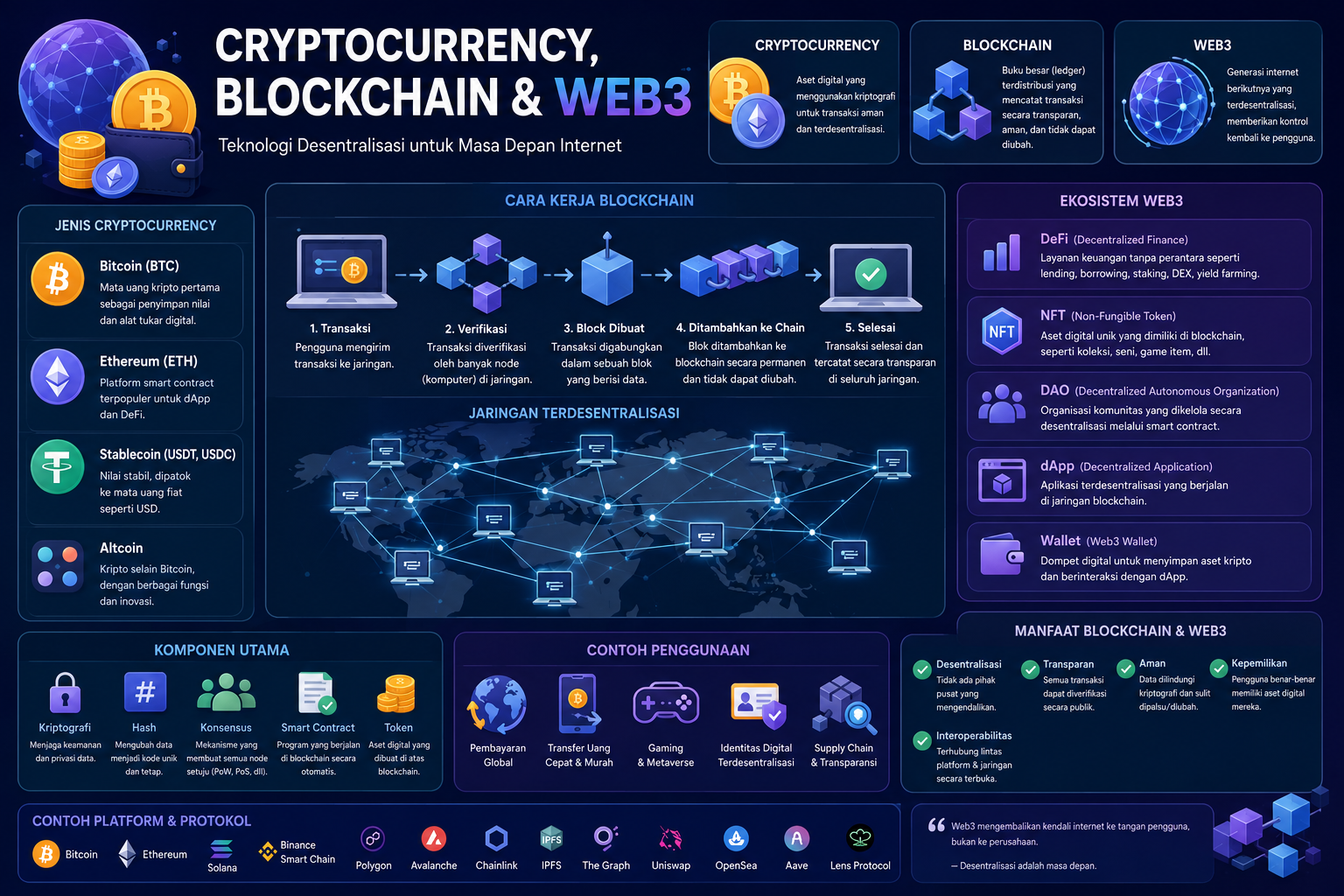
- Web3, Blockchain, and Decentralization: Moving beyond the centralized internet, Web3 envisions a decentralized web powered by blockchain technology. This paradigm shift promises greater user control over data, new economic models through cryptocurrencies and NFTs, and more transparent, censorship-resistant applications.
- Quantum Computing: Though still in its nascent stages, quantum computing promises to revolutionize fields like cryptography, drug discovery, and materials science by solving problems intractable for even the most powerful classical supercomputers.
- Advanced Robotics and Automation: Robots are becoming more intelligent, dexterous, and collaborative, moving beyond industrial assembly lines into logistics, healthcare, and even domestic environments, often powered by advanced AI.
- Biotechnology and Gene Editing (CRISPR): Innovations in biotechnology are accelerating, particularly in gene editing, which holds immense potential for treating genetic diseases, enhancing agricultural yields, and even extending human lifespans.
- Sustainable Technology and Green Solutions: With growing climate concerns, technology is increasingly focused on developing sustainable solutions, from renewable energy systems and smart grids to carbon capture technologies and eco-friendly materials.
The Invisible Architects: Where Trends Converge
The true revolutionary potential of these technologies isn't found in their individual might, but in their synergy. It's in the unseen connections and cross-pollination that a truly transformative future is being built. This is the symphony of convergence, orchestrating a new reality.
AI and IoT: The Intelligent Edge
The convergence of AI and IoT is creating an "intelligent edge." Imagine smart cities where traffic lights adapt in real-time based on AI analysis of sensor data from vehicles and pedestrians, or smart factories where IoT sensors monitor machinery health, and AI predicts maintenance needs, preventing costly downtime. Edge computing plays a crucial role here, allowing AI algorithms to process data locally on IoT devices, enabling faster responses and enhanced privacy.
Web3 and AI: Decentralized Intelligence
The fusion of Web3 and AI is giving rise to fascinating new possibilities. Blockchain can provide transparent, immutable ledgers for AI training data, ensuring data integrity and ethical use. Decentralized autonomous organizations (DAOs) could leverage AI for governance or decision-making. Furthermore, AI could help manage and optimize decentralized networks, while Web3 offers new ways for AI models to be owned, shared, and monetized without central intermediaries. This combination could lead to truly autonomous and trustworthy AI systems.
Quantum Computing and AI/Materials Science: Unlocking New Frontiers
While still theoretical, the intersection of quantum computing with AI and materials science holds immense promise. Quantum AI could develop algorithms far superior to classical ones for complex pattern recognition, optimization, and simulation. In materials science, quantum simulations could lead to the discovery of entirely new materials with unprecedented properties, from superconductors to highly efficient catalysts, accelerating advancements in energy storage, medicine, and manufacturing.
Biotechnology, AI, and Robotics: The Future of Health
The healthcare sector is a prime example of profound convergence. AI analyzes vast genomic and clinical data to personalize medicine and accelerate drug discovery. Robotics assists in precision surgery, automated lab work, and patient care. Gene editing technologies like CRISPR, combined with AI for target identification, promise cures for previously untreatable diseases. This trifecta is leading to a future of proactive, personalized, and highly efficient healthcare.
Sustainable Tech and All Other Trends: A Greener Digital Future
Sustainability is not a standalone trend but an imperative that intersects with all others. AI optimizes energy grids, smart cities, and agricultural practices. IoT sensors monitor environmental conditions and resource consumption. Blockchain can ensure supply chain transparency and track carbon credits. New materials discovered via quantum computing could make technologies inherently more eco-friendly. The convergence here aims to mitigate the environmental impact of technological progress itself and leverage tech for a greener planet.
Societal Impact: A Double-Edged Sword
This relentless wave of convergence will undoubtedly reshape society in fundamental ways:
- Economic Transformation: New industries will emerge, traditional ones will be disrupted, and the nature of work will continue to evolve, demanding new skills and adaptive workforces.
- Enhanced Personalization: From education to entertainment, services will become increasingly tailored to individual needs and preferences, driven by AI and data from IoT devices.
- Ethical Dilemmas: As technologies become more powerful and intertwined, questions around data privacy, algorithmic bias, job displacement, and the ethical use of AI and gene editing will become more pressing.
- Geopolitical Shifts: Nations that lead in these convergent technologies will gain significant economic and strategic advantages, potentially exacerbating global inequalities.
- Security Concerns: The interconnectedness of systems also presents larger attack surfaces, demanding more robust cybersecurity measures and regulatory frameworks.
Navigating the Convergent Future
To thrive in this rapidly evolving landscape, individuals, businesses, and governments must adopt a holistic perspective. Innovation can no longer occur in silos. Interdisciplinary collaboration, adaptable policies, and a focus on ethical development are paramount. Education systems must evolve to foster critical thinking, digital literacy, and cross-domain expertise. Businesses need to invest in research and development that explores the synergies between different technologies, rather than just optimizing individual components.
Conclusion
The latest technology news and trends paint a picture not of isolated advancements, but of a deeply interconnected and converging ecosystem. AI is the brain, IoT the nervous system, Web3 the decentralized circulatory system, and quantum computing the potential for a new foundational architecture. Together, these technologies are the invisible architects building our future, layer by intricate layer. Understanding this grand convergence is not just about keeping pace with innovation; it's about actively participating in shaping a future that is intelligent, sustainable, and equitable for all.