The Invisible Thread: Weaving Tomorrow's Reality Through Converging Technology Trends
In an era defined by relentless innovation, the landscape of technology is not merely evolving; it is undergoing a profound, orchestrated transformation. While individual advancements often capture headlines, the true revolution lies in the subtle yet powerful convergence of these disparate technologies. We are not just witnessing the rise of AI, the expansion of IoT, or the promise of Web3 in isolation. Instead, these elements are interweaving, forming an intricate tapestry that is quietly, yet definitively, reshaping our reality, our economies, and the very fabric of human experience. This article delves beyond the surface, exploring how these interconnected trends are creating a new paradigm – an "invisible thread" guiding us into an uncharted future.
The Symphony of Converging Innovation
To truly understand the trajectory of current technology, we must view it as a grand symphony, where each instrument – each trend – plays a crucial role, but the real magic emerges from their harmonious interplay. This isn't just about faster processors or bigger data sets; it's about the synergistic effects that emerge when previously siloed domains begin to communicate and collaborate on an unprecedented scale.
Artificial Intelligence: The Brain of the New Era
At the heart of this convergence is Artificial Intelligence (AI) and its powerful subset, Machine Learning (ML). AI is no longer a futuristic concept; it is an omnipresent force, powering everything from personalized recommendations to advanced medical diagnostics. Generative AI, in particular, has exploded into public consciousness, demonstrating capabilities once thought exclusively human – creating art, composing music, and writing complex code. This isn't just about automation; it's about augmenting human creativity and problem-solving, pushing the boundaries of what machines can achieve.
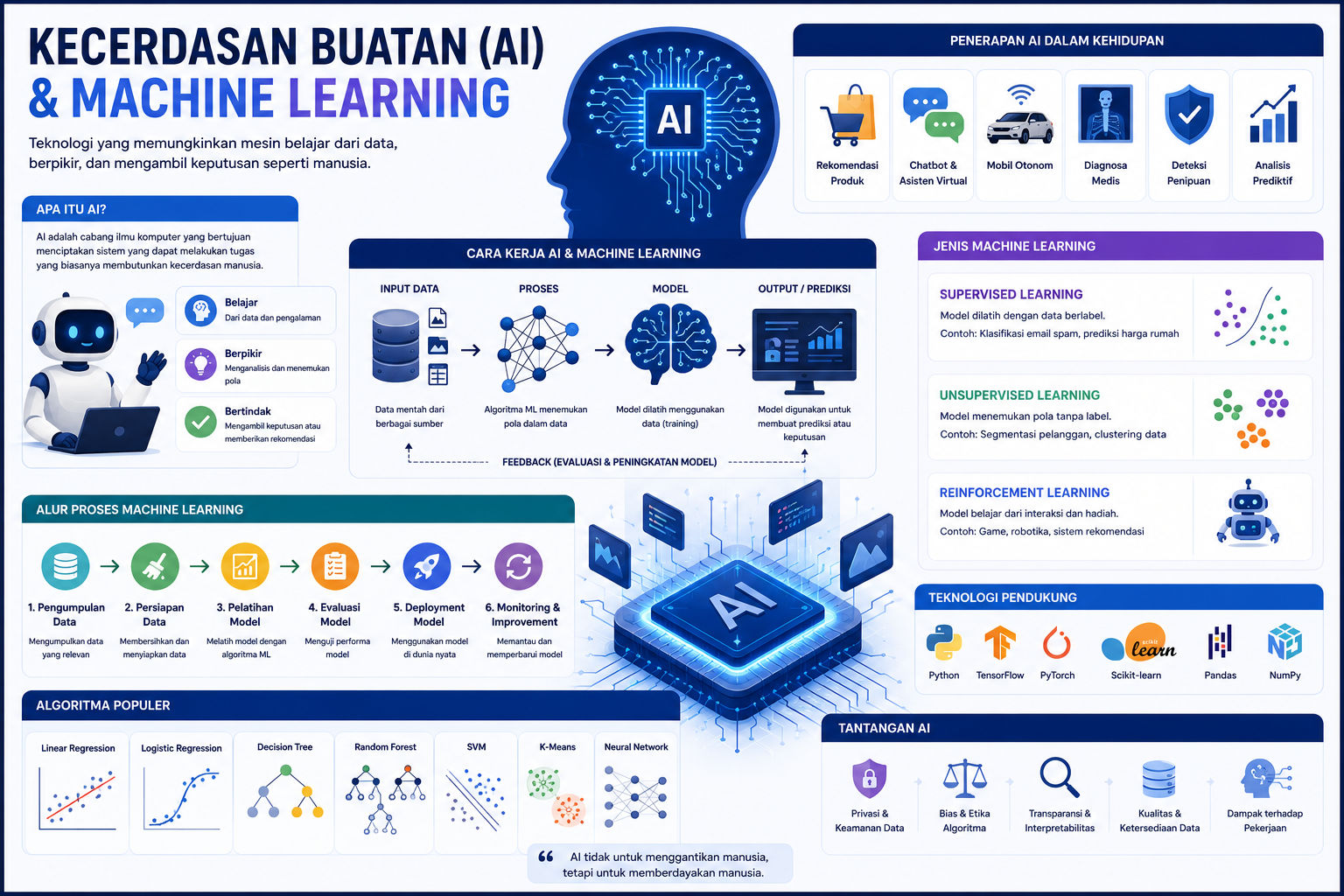
When AI integrates with other technologies, its impact multiplies. For instance, AI algorithms are crucial for making sense of the vast amounts of data generated by IoT devices, turning raw information into actionable insights. In healthcare, AI combined with bioinformatics is accelerating drug discovery and enabling personalized treatment plans. The ethical implications, such as bias in algorithms and the future of work, remain central to the ongoing discourse, yet AI's role as a foundational technology for almost every other trend is undeniable.
The Internet of Things (IoT) & Edge Computing: Extending the Senses
The Internet of Things (IoT) represents the nervous system of our increasingly connected world. Billions of devices, from smart sensors in factories to wearables on our wrists, are continuously collecting and transmitting data. This proliferation of data points creates an incredibly rich environment for AI to learn and operate within. However, sending all this data to distant cloud servers for processing isn't always efficient or practical, especially for real-time applications.
Enter Edge Computing. By processing data closer to its source – at the "edge" of the network – latency is reduced, bandwidth is saved, and security can be enhanced. This partnership between IoT and Edge Computing is vital for autonomous vehicles, smart cities, and industrial automation, where instantaneous decisions are critical. The combination creates intelligent environments that can react to stimuli with minimal human intervention, reshaping our reality and human interaction by making our physical surroundings more responsive and intelligent.
Web3, Blockchain & Decentralization: Reimagining Trust and Ownership
While AI and IoT focus on intelligence and connectivity, Web3 and blockchain technologies introduce a new paradigm of trust, transparency, and ownership. Moving beyond the centralized structures of Web2, Web3 aims to create a decentralized internet where users have more control over their data and digital assets. Blockchain, the underlying technology, provides immutable ledgers that can record transactions securely and transparently, without the need for intermediaries.
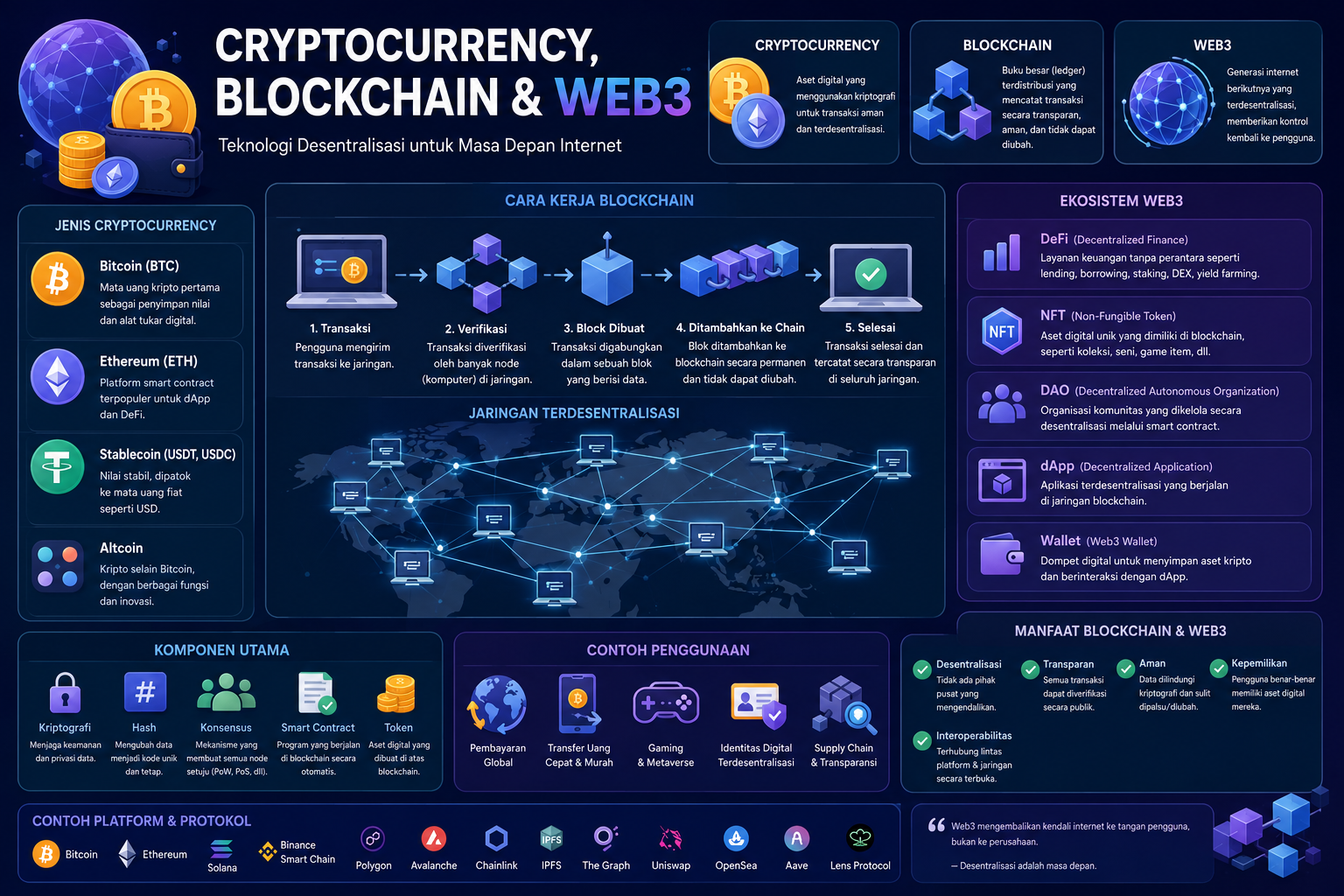
This trend extends beyond cryptocurrencies to encompass Non-Fungible Tokens (NFTs) for digital ownership, Decentralized Autonomous Organizations (DAOs) for new forms of governance, and decentralized finance (DeFi) for alternative financial systems. When integrated with AI, blockchain can create more secure and transparent AI models, verifying data provenance and algorithm integrity. For IoT, blockchain can secure device-to-device communication and transactions, creating a trusted backbone for smart ecosystems.
Augmented and Virtual Reality (AR/VR) & The Metaverse: Immersive Realities
AR and VR are no longer niche gaming technologies; they are poised to revolutionize how we work, learn, and socialize. Augmented Reality overlays digital information onto the real world, enhancing our perception, while Virtual Reality creates fully immersive digital environments. The concept of the Metaverse – a persistent, interconnected digital world – is the ambitious goal of many tech giants, aiming to blend these immersive experiences into a seamless digital twin of our physical lives.
The convergence here is profound. AI will populate and personalize Metaverse experiences, creating intelligent avatars and responsive environments. IoT devices will feed real-world data into these digital spaces, bridging the physical and virtual. Blockchain will provide the framework for digital ownership, identity, and economic activity within the Metaverse. This fusion promises new avenues for collaboration, entertainment, and commerce, although challenges around interoperability, accessibility, and digital ethics remain significant.
Biotechnology & Health Tech: Extending Life and Well-being
The rapid advancements in biotechnology and health tech represent perhaps the most personal and impactful facet of current trends. From CRISPR gene editing to personalized medicine, these innovations are revolutionizing how we understand and treat disease. Wearable health trackers, AI-powered diagnostics, and remote patient monitoring are making healthcare more proactive, preventive, and accessible.
Here, the convergence is striking: AI algorithms analyze vast genomic datasets to identify disease markers and predict treatment efficacy. IoT sensors monitor vital signs continuously, providing real-time data for AI-driven insights. Blockchain can secure patient records and facilitate transparent data sharing for research. The ethical implications of genetic engineering and data privacy are immense, but the potential to extend healthy lifespans and improve quality of life is equally monumental. This profound intermingling is not just about isolated scientific breakthroughs but about a symphony of convergence that reshapes our fundamental understanding of health and biology.
The Broader Implications: Reshaping Industries and Society
The 'invisible thread' of converging technologies is not merely an academic concept; it is actively reshaping industries, economies, and societal structures. The impact is felt across every sector:
- Manufacturing: Smart factories leveraging AI, IoT, and robotics for autonomous production, predictive maintenance, and optimized supply chains.
- Finance: AI for fraud detection and algorithmic trading, blockchain for secure transactions and DeFi innovations, creating a more agile and transparent financial ecosystem.
- Education: Personalized learning experiences powered by AI, immersive VR training simulations, and digital credentialing through blockchain.
- Retail: AI for hyper-personalized shopping, IoT for inventory management, and AR for virtual try-ons, transforming the customer journey.
- Agriculture: Precision farming with IoT sensors, AI for crop yield prediction, and drones for monitoring, leading to more sustainable and efficient food production.
The Future of Work and Skills
This technological convergence also brings significant shifts to the world of work. While automation driven by AI and robotics may displace certain jobs, it simultaneously creates new roles requiring skills in AI development, data ethics, cybersecurity, prompt engineering, and the management of complex digital ecosystems. Lifelong learning and adaptability will become paramount as individuals navigate a constantly evolving job market. The focus shifts from repetitive tasks to creativity, critical thinking, and complex problem-solving – areas where human intelligence, augmented by AI, can truly shine.
Ethical Imperatives and the Digital Divide
As these technologies intertwine and become more pervasive, so too do the ethical challenges. Questions of data privacy, algorithmic bias, digital equity, and the responsible use of powerful tools like generative AI become critical. Ensuring that the benefits of this technological revolution are broadly distributed, rather than exacerbating existing inequalities, is a paramount global challenge. Bridging the digital divide – ensuring access and literacy for all – is essential to prevent a future where technological advancements leave vast segments of humanity behind.
Conclusion: Navigating the Interwoven Future
The current landscape of technology is far more intricate and dynamic than a simple list of individual trends suggests. It is an "invisible thread" of interconnected innovations, each amplifying the other, collectively weaving a new reality. From the intelligent automation of AI and the expansive senses of IoT to the decentralized trust of Web3 and the immersive experiences of AR/VR, and the life-altering potential of biotech – these forces are converging to redefine what is possible.
Understanding this convergence is not just for technologists; it is essential for policymakers, business leaders, educators, and every citizen. The future is not a predetermined path but a tapestry we are actively weaving with these technological threads. Our collective responsibility lies in guiding this process thoughtfully, ensuring that the innovations of today lead to a more equitable, prosperous, and human-centered tomorrow.