Unleashing Creativity: How Constraints and Cross-Disciplinary Thinking Fuel Innovation
When we think of creativity, the first image that often comes to mind is a blank canvas waiting to be filled. However, the most groundbreaking ideas often arise from limitations, failures, and the fusion of unrelated fields. This article explores how constraints, embracing setbacks, and cross-disciplinary collaboration can be the secret ingredients to unlocking truly innovative thinking.
The Power of Constraints: Creativity Thrives in Boundaries
Contrary to popular belief, creativity isn’t about having unlimited freedom. It’s about transforming limitations into opportunities. Take, for instance, the famous Japanese haiku poetry format, which restricts writers to a 5-7-5 syllable structure. These rigid rules force poets to distill complex emotions into precise language, resulting in timeless art. Similarly, architects often design stunning structures within tight spatial constraints, proving that boundaries can sharpen our focus.
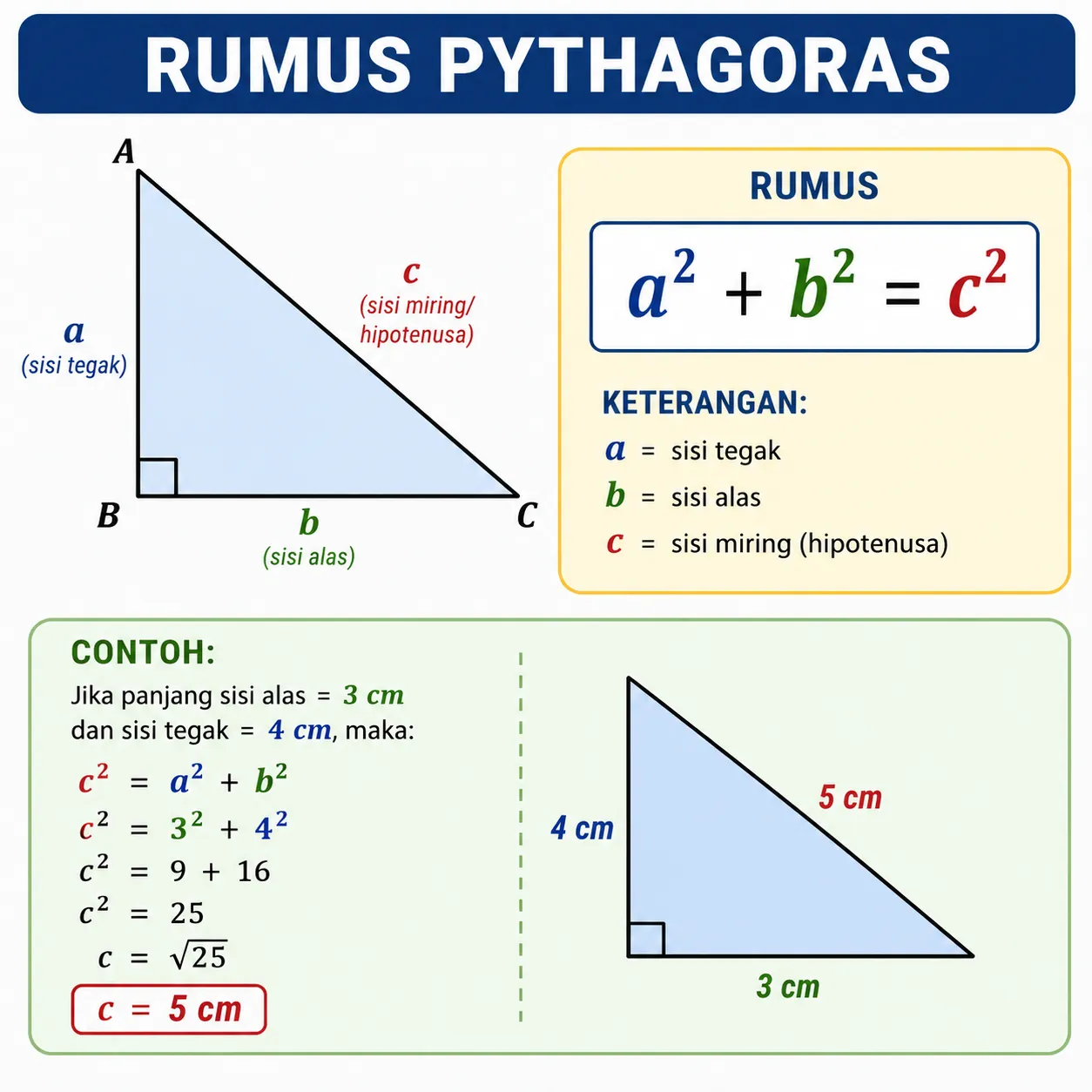
Consider how mathematicians like Pythagoras developed groundbreaking formulas within strict logical frameworks. By adhering to rules, they expanded the possibilities of geometry. In the modern world, startups like Spotify revolutionized music consumption by adapting to the constraint of limited internet bandwidth. Their solution—a streaming model—showed how constraints can drive innovation.
Embracing Failure as a Creative Catalyst
Failure is not the opposite of creativity; it’s the foundation. The story of the Post-it Note is a classic example. 3M scientist Spencer Silver accidentally created a weak adhesive in the 1970s, which was initially deemed useless. Years later, a colleague repurposed it into a sticky note, transforming an “error” into a global product. This mindset—viewing mistakes as stepping stones—is critical for creative problem-solving.
Psychologists call this phenomenon productive failure. Studies show that individuals who reframe failures as learning experiences are more likely to innovate. For example, the first versions of the iPhone faced criticism for its lack of a physical keyboard. Instead of retreating, Apple leveraged user feedback to refine the design, ultimately shaping the smartphone industry. Embracing iterative failure is key to creative breakthroughs.
Breaking Borders: The Synergy of Cross-Disciplinary Ideas
Some of history’s most iconic inventions emerged from the intersection of disciplines. The MRI machine, for instance, combined physics and medicine to revolutionize healthcare. Today, industries like fashion and tech collaborate to create smart clothing with embedded sensors. This cross-pollination of ideas forces us to think beyond silos.

Graphic designers often draw inspiration from nature, art, and even architecture to craft visually stunning work. The Tembelekan flower, for example, has inspired intricate patterns in traditional Javanese textiles, merging botanical beauty with cultural heritage. Similarly, the design of the Tesla Powerwall—a home battery—was influenced by minimalist architecture, proving that creativity thrives when fields collide.
Collaborative Creativity: Diversity as a Source of Innovation
Homogeneous teams often hit creative roadblocks, while diverse groups generate unexpected solutions. A study by the Harvard Business Review found that companies with diverse teams are 35% more likely to outperform their peers. This is because varied perspectives challenge assumptions and spark new ideas.
Consider the success of Disney’s Imagineers, a team of engineers, artists, and storytellers who design theme parks. By blending expertise from unrelated fields, they create immersive experiences that captivate millions. Similarly, the film *Jurassic Park* merged paleontology with special effects, creating a cinematic milestone. Collaboration isn’t just beneficial—it’s essential for innovation.
Cultivating Creativity: Practical Techniques for Daily Life
While some may believe creativity is innate, it’s a skill that can be nurtured. Here are actionable steps to boost your creative thinking:
- Constraint Challenges: Set artificial limitations, like redesigning a product using only three materials.
- Brainstorming with Strangers: Collaborate with people outside your industry to gain fresh insights.
- Mindfulness Practices: Meditation and journaling clear mental clutter, making room for original ideas.
- Reverse Thinking: Ask, “What if this idea failed?” to identify weaknesses and refine it.
For example, the app Duolingo was born from the idea of turning language learning into a game. By combining gamification with