Unveiling 2026: A Unique Perspective on Navigating the Converging Digital Frontier
The year 2026 isn't just another calendar entry; it represents a pivotal moment in human history, characterized by an unprecedented acceleration of technological change. While many articles merely list emerging technologies, this piece offers a unique perspective: how these disparate innovations are converging to reshape our reality, challenging our understanding of work, identity, and interaction. It's about understanding not just what is coming, but how it will transform us, urging a proactive stance rather than passive observation.
We are witnessing a profound digital revolution, where the boundaries between physical and digital, biological and artificial, are increasingly blurred. This isn't merely a set of new tools; it's a fundamental shift in the operating system of society. To truly grasp the essence of this era, we must move beyond the hype and delve into the interconnected narratives of Artificial Intelligence, Web3, Immersive Technologies, and Biotechnological advancements.
The AI Renaissance: Beyond Automation to Augmentation and Creativity
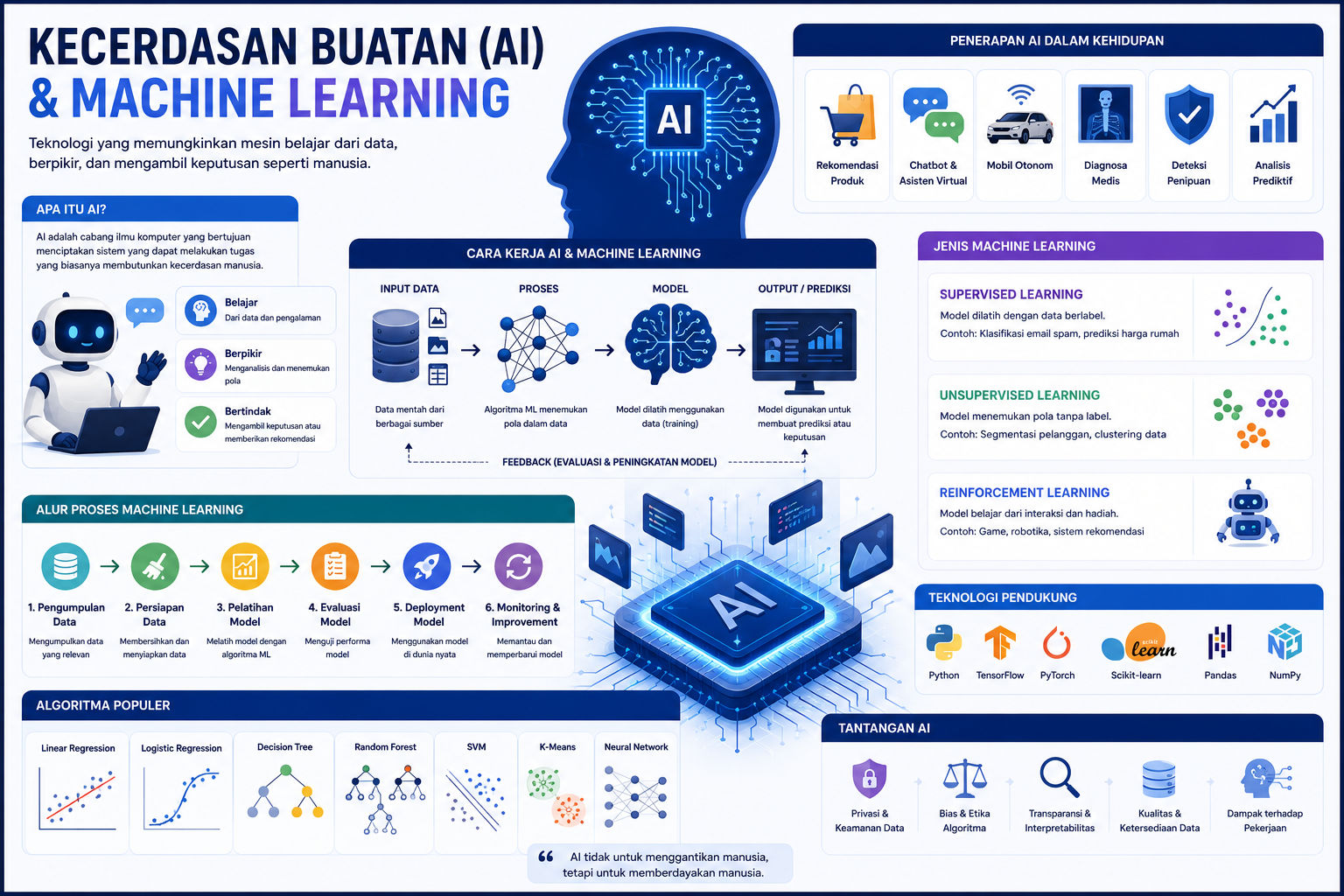
Artificial Intelligence (AI) has moved far beyond the realm of science fiction. In 2026, AI is not just automating tasks; it's augmenting human capabilities, driving new forms of creativity, and fundamentally altering decision-making processes across every sector. Generative AI, exemplified by advanced language models and image generators, is no longer a niche tool but a ubiquitous co-creator, aiding artists, writers, designers, and even software developers in unprecedented ways.
The unique perspective here lies in AI's evolving role from a subservient tool to a collaborative intelligence. We are moving towards "Human-AI symbiosis," where the most complex problems are tackled through synergistic intelligence – the intuition and ethical judgment of humans combined with the analytical power and speed of AI. This shift demands a re-evaluation of education systems, fostering skills that complement AI, such as critical thinking, creativity, emotional intelligence, and complex problem-solving. The ethical implications, especially concerning bias, transparency, and accountability, remain at the forefront of this evolution, necessitating robust regulatory frameworks and public discourse.
Web3: Reclaiming Ownership and Decentralizing Power
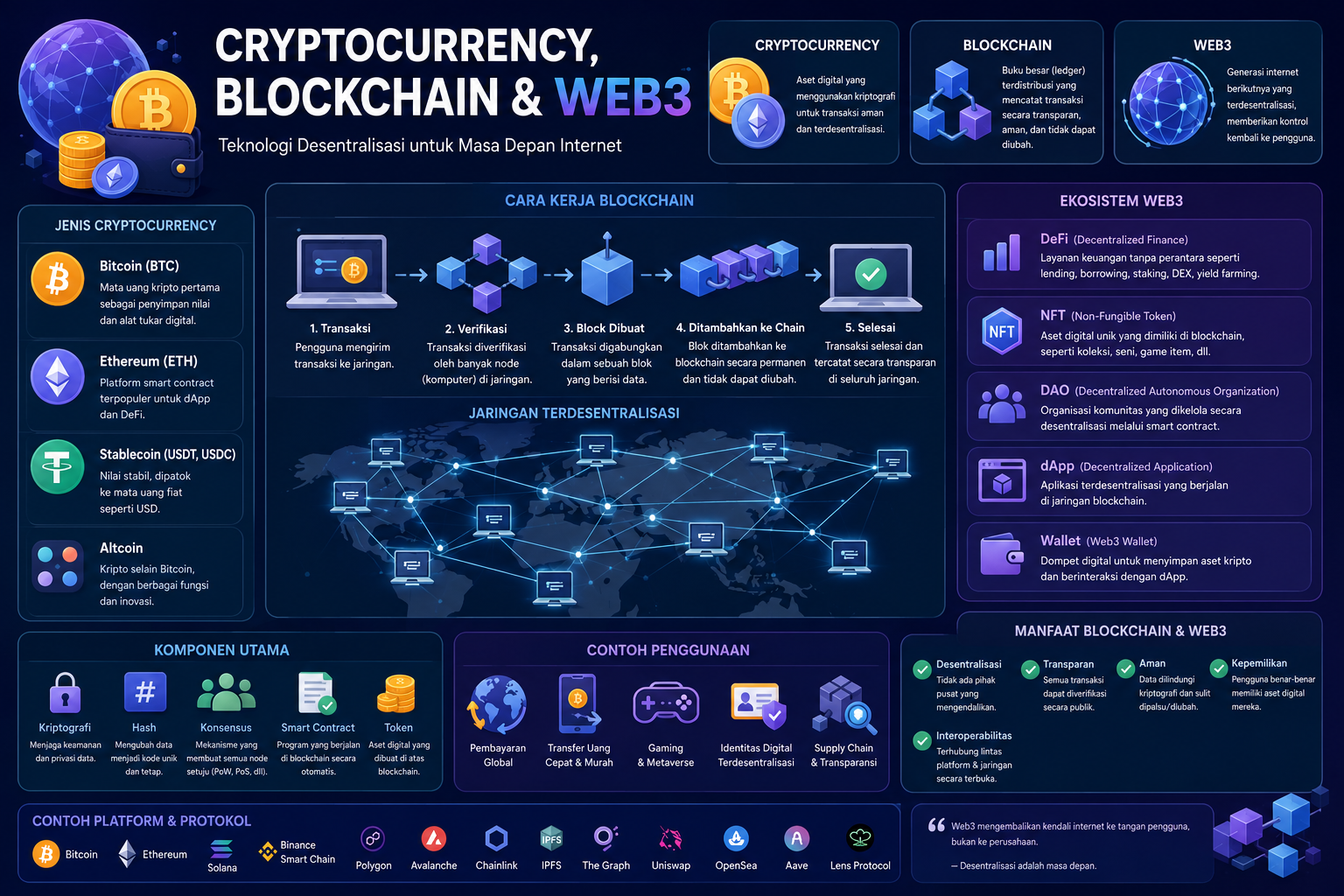
While often conflated with cryptocurrencies, Web3 represents a much broader paradigm shift: a move towards a decentralized internet where users have greater control over their data, identity, and digital assets. Blockchain technology, the backbone of Web3, is enabling new economic models (tokenomics), novel forms of governance (DAOs - Decentralized Autonomous Organizations), and verifiable digital ownership (NFTs - Non-Fungible Tokens) that are poised to redefine online interactions.
From a unique standpoint, Web3 is not just about financial speculation; it's about a philosophical re-architecture of the internet based on principles of transparency, immutability, and user sovereignty. In 2026, we'll see Web3 applications mature beyond speculative assets into practical utility for secure identity management, supply chain transparency, intellectual property rights, and even new models for content creation and distribution that empower creators directly. This transformation challenges the existing centralized power structures of big tech companies, opening doors for community-led innovation and a more equitable distribution of value. Understanding Web3 requires grasping its potential to democratize the digital landscape, enabling individuals to participate as stakeholders rather than mere consumers.
Immersive Technologies: Blurring the Lines of Reality
Augmented Reality (AR), Virtual Reality (VR), and the nascent Metaverse are not just for gaming; they are rapidly evolving into platforms for work, education, social interaction, and commerce. While the full vision of the Metaverse may still be years away, components of it are already shaping our daily lives, from AR filters on social media to VR training simulations in industries.
The unique perspective here is how these technologies are challenging our perception of "reality" itself. As digital environments become more convincing and integrated with our physical world, the psychological and sociological impacts will be profound. We're moving towards an "extended reality" where our digital identities and interactions are as significant, if not more so, than our physical ones. This creates opportunities for unparalleled remote collaboration, highly personalized learning experiences, and new forms of creative expression. However, it also raises questions about digital addiction, privacy in immersive spaces, and the potential for new forms of social stratification based on access and digital fluency. The human mind's adaptability to these new realities will be a key area of study and development.
Biotechnology & HealthTech: Redefining Life Itself
Perhaps the most profound shifts are occurring at the intersection of technology and biology. Advancements in gene editing (CRISPR), personalized medicine, bio-sensors, and regenerative therapies are no longer futuristic concepts but active areas of research and application. HealthTech, fueled by AI and big data, is enabling predictive diagnostics, precision treatments, and proactive wellness management at an individual level.
Our unique lens highlights how these technologies are not just improving health but fundamentally redefining human potential and the very definition of life. From extending healthy lifespans to potentially curing genetic diseases, biotechnology offers immense promise. However, it also presents monumental ethical dilemmas concerning genetic privacy, equitable access to life-altering treatments, and the philosophical implications of "designer babies" or human enhancement. The societal discussion around these advancements will be as critical as the scientific breakthroughs themselves, guiding humanity's moral compass in uncharted biological territories.
The Convergence: Where Trends Intersect to Create New Realities
The true power of 2026's technological landscape lies not in individual advancements but in their convergence. Consider:
- AI-powered Web3: Intelligent smart contracts, AI-driven NFT creation, and decentralized AI networks that offer secure, transparent, and autonomous systems.
- Metaverse & HealthTech: Virtual clinics, AR-guided surgeries, and VR therapies for mental health, making healthcare more accessible and engaging.
- Biotech & AI: AI accelerating drug discovery, personalized genetic therapies, and predictive health analytics that are far more accurate and efficient than traditional methods.
- Immersive Web3: Fully immersive decentralized digital economies where users own their avatars, assets, and experiences, creating truly unique and personalized digital existences.
This intricate web of innovation means that the challenges and opportunities of one field often echo or amplify those in another. A deep understanding of these synergies is crucial for anyone hoping to navigate the future effectively. The digital age is not just about technology; it's about the evolution of human interaction with an increasingly intelligent and interconnected world. For more on how these trends are shaping our world, explore the future of the digital age.

Preparing for the Future: The Human Element
Amidst all these technological marvels, the most critical factor remains the human element. The ability to adapt, learn continuously, and critically evaluate the impact of technology will be paramount. Skills such as digital literacy, ethical reasoning, collaborative intelligence, and resilience will be more valuable than ever. Education systems must evolve to prepare individuals not just for existing jobs, but for roles that don't yet exist, fostering a mindset of lifelong learning and innovation.
Governments, corporations, and individuals all share the responsibility to shape this future ethically and equitably. This involves:
- Ethical Governance: Developing regulations that protect privacy, prevent bias, and ensure accountability without stifling innovation.
- Inclusive Access: Bridging the digital divide to ensure that the benefits of these advancements are accessible to all, not just a privileged few.
- Continuous Learning: Investing in reskilling and upskilling programs to empower workforces for the jobs of tomorrow.
- Critical Engagement: Encouraging a society that is not only technologically proficient but also critically engaged with the societal implications of these advancements.
Conclusion: A Call to Proactive Engagement
The latest technology news and trends for 2026 paint a picture of a world on the cusp of radical transformation. From AI's collaborative intelligence to Web3's decentralized power, immersive realities, and life-altering biotechnologies, the landscape is complex, dynamic, and profoundly interconnected. By adopting a unique perspective that emphasizes convergence, human impact, and ethical considerations, we can move beyond mere observation to proactive engagement.
This is not a time for passive consumption of technology but for active participation in its shaping. The choices we make today – in policy, education, investment, and personal development – will determine whether these powerful trends lead to a more equitable, prosperous, and human-centric future, or exacerbate existing inequalities and create new challenges. The future is not just happening to us; it is being built by us, one innovation, one ethical decision, and one engaged individual at a time.