The Human-Centric Revolution: Unpacking Latest Tech Trends and Their Societal Echoes
In an era defined by relentless innovation, technology is no longer just a tool but a transformative force reshaping the very fabric of human existence. From artificial intelligence that crafts realities to decentralized networks promising new forms of ownership, the latest technological trends are converging to create a future far more intricate and interdependent than previously imagined. This article delves into the cutting-edge of technological evolution, focusing not merely on the advancements themselves, but on their profound implications for society, ethics, and the human experience.
The landscape of technological innovation is continuously evolving, with profound implications that redefine our world and how we interact within it. For a deeper look into the major shifts expected in the near future, one can explore the technological trends of 2026 and their global impact. Our unique perspective emphasizes the human element – how these advancements challenge our understanding of work, creativity, privacy, and community, necessitating a re-evaluation of our values and priorities in a rapidly digitizing world.
The AI Renaissance: Beyond Automation to Augmentation and Ethics
Artificial Intelligence continues its meteoric rise, transcending its earlier roles in automation to become a creative partner and an increasingly integral part of decision-making processes across industries. Generative AI, exemplified by large language models (LLMs) and image generation tools, has democratized content creation, blurring the lines between human and machine output. This paradigm shift presents immense opportunities for productivity and innovation, allowing individuals and businesses to prototype ideas, generate code, and produce media at unprecedented speeds. However, it also introduces complex challenges around intellectual property, misinformation, and the very definition of creativity.
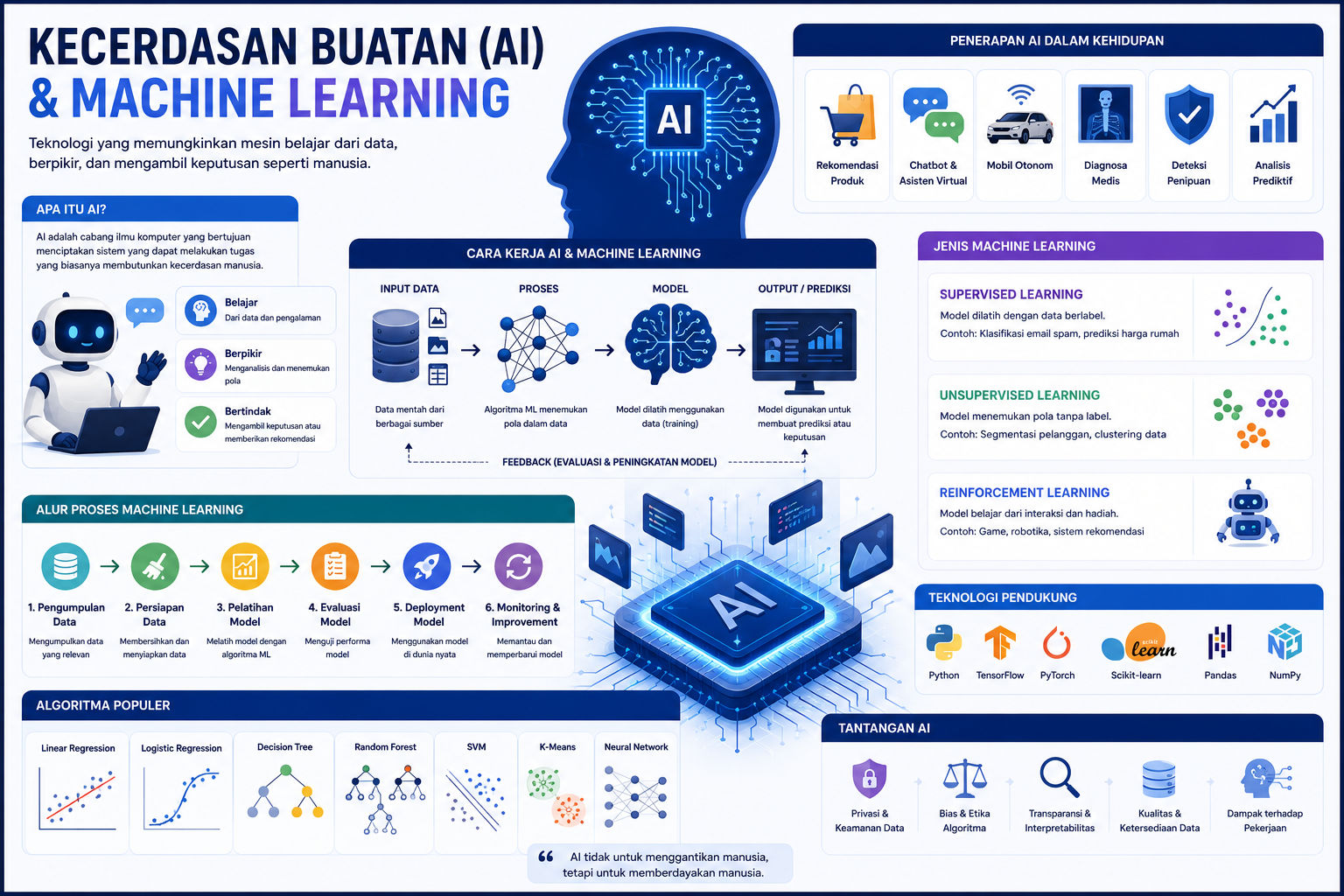
Beyond generative capabilities, AI is making strides in specialized fields such as personalized medicine, climate modeling, and autonomous systems. Advanced machine learning algorithms are sifting through vast datasets to identify patterns that human minds might miss, leading to breakthroughs in drug discovery and predictive analytics. Yet, the deployment of such powerful AI systems demands a robust ethical framework. Bias in training data, transparency in algorithmic decision-making, and accountability for AI-driven outcomes are not just philosophical debates but critical engineering and policy challenges that must be addressed to ensure AI serves humanity equitably and responsibly. The discussion around Artificial General Intelligence (AGI) – AI that can perform any intellectual task that a human can – while still largely theoretical, fuels ongoing conversations about existential risks and the imperative for proactive governance.
Web3 and the Decentralized Future: Redefining Ownership and Identity
Web3, the envisioned third generation of the internet, represents a fundamental shift from centralized platforms to decentralized, blockchain-powered networks. While often conflated with cryptocurrencies, Web3's true promise lies in its potential to redistribute power, enable digital ownership, and foster new economic models. Non-fungible tokens (NFTs) have pioneered the concept of digital scarcity and verifiable ownership, extending beyond art to represent digital identities, real-world assets, and access permissions. This move towards decentralized identity (DID) could empower individuals with greater control over their personal data, reducing reliance on monolithic tech giants.
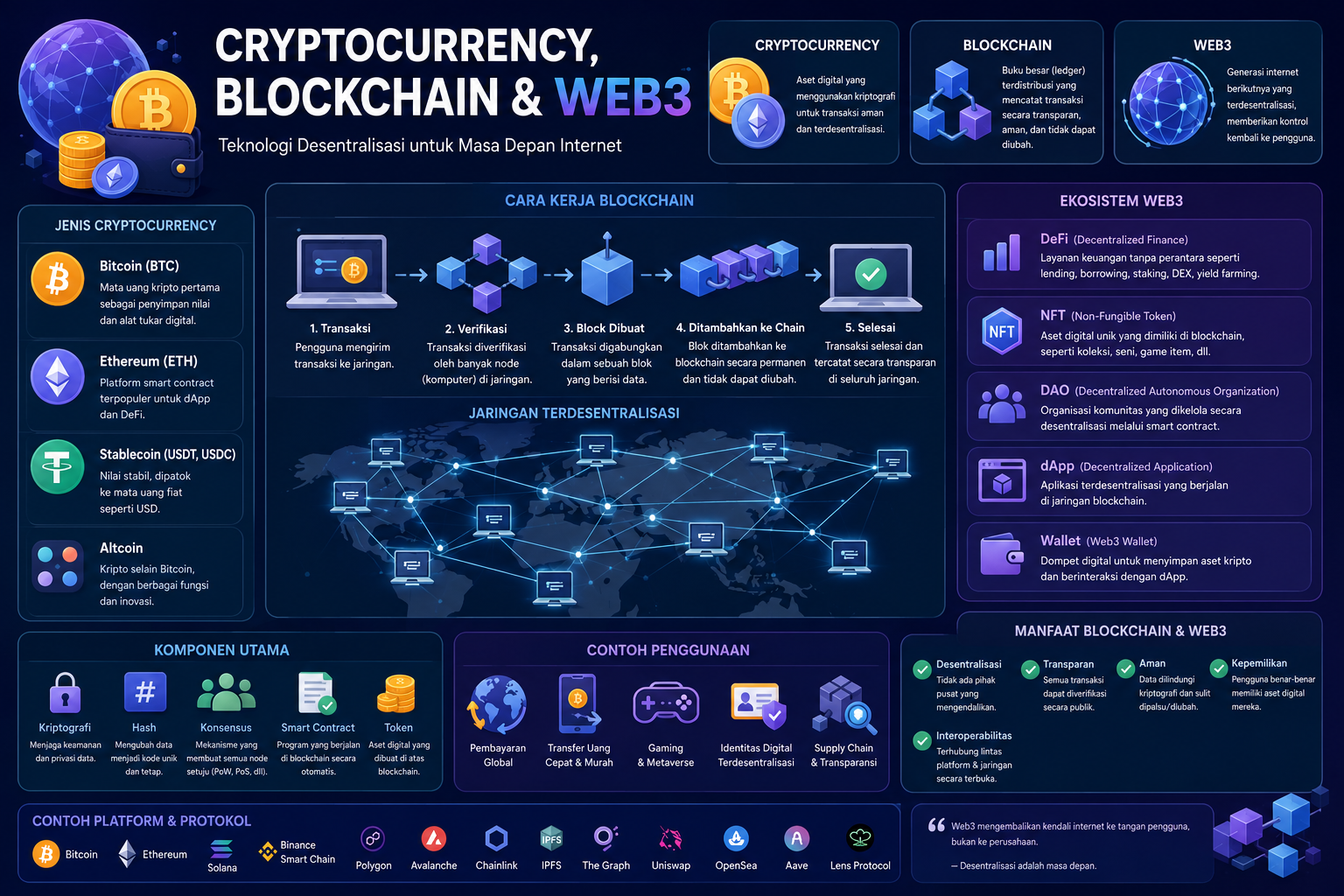
The metaverse, often discussed in conjunction with Web3, is evolving from a futuristic concept to an emerging digital reality. While still in nascent stages, the vision of interconnected virtual worlds where users can socialize, work, play, and transact using blockchain-secured assets hints at a profound transformation of human interaction and commerce. Challenges remain, including scalability, interoperability between different metaverses, and the energy consumption associated with blockchain technology. However, the underlying principles of decentralization and user empowerment offer a compelling alternative to the current internet landscape, promising a more equitable and transparent digital future where users, not platforms, own their data and creations.
Sustainable Technology and Green Innovation: Tech for a Healthier Planet
As global environmental concerns escalate, technology is increasingly positioned as a crucial tool for sustainability. Green tech, or "cleantech," encompasses innovations designed to reduce human impact on the environment, from renewable energy solutions to advanced waste management systems. Smart grids leveraging AI and IoT optimize energy distribution, while innovative materials science is developing biodegradable plastics and carbon capture technologies. Precision agriculture, powered by drones and AI, minimizes water usage and pesticide application, enhancing food security while reducing ecological footprints.
The tech industry itself is under scrutiny to reduce its carbon footprint. Data centers, the backbone of the digital world, are significant energy consumers. This has spurred innovations in energy-efficient hardware, liquid cooling systems, and the relocation of data centers to regions with abundant renewable energy. Furthermore, blockchain technology, despite its historical energy intensity, is seeing advancements like Proof-of-Stake consensus mechanisms that drastically reduce energy consumption, alongside initiatives exploring its use for carbon credit tracking and transparent supply chains. The convergence of technology and sustainability is not merely about compliance but represents a massive opportunity for innovation, creating a new wave of products and services that prioritize planetary health alongside economic growth.
Advanced Computing and Connectivity: The Bedrock of Future Innovation
Underpinning many of these visible trends are foundational advancements in computing power and connectivity. Quantum computing, though still in its experimental phase, holds the potential to solve problems currently intractable for even the most powerful supercomputers. From breaking encryption to simulating complex molecular structures for drug discovery, quantum capabilities could unlock entirely new frontiers. Parallel to this, edge computing is bringing computation closer to the data source, reducing latency and enabling real-time processing for applications like autonomous vehicles and smart factories.
The rollout of 5G and the impending arrival of 6G are revolutionizing connectivity, providing the high bandwidth and low latency necessary for truly immersive metaverse experiences, seamless IoT ecosystems, and ubiquitous AI applications. These network enhancements are not just about faster internet; they are about enabling new classes of applications and services that require instantaneous data transfer and processing at an unprecedented scale. The interplay between these advanced computing paradigms and enhanced connectivity forms the robust infrastructure upon which the next generation of technological innovation will be built, fundamentally altering how we interact with information and our environment.
The Human Element in a Tech-Driven World: Agency, Ethics, and the Future of Work
As these powerful forces reshape our global landscape, the fundamental question remains: how do we ensure technology serves humanity? Understanding the role of humanity in paradigm-shifting technologies from AI to Web3 and sustainability is paramount for navigating this complex future. The increasing integration of AI into daily tasks and decision-making processes raises critical questions about human agency and the evolving nature of work. While AI is poised to automate repetitive tasks, it simultaneously creates new roles demanding uniquely human skills such as critical thinking, creativity, emotional intelligence, and complex problem-solving. Education systems must adapt to foster these future-proof skills, preparing generations for a collaborative future with intelligent machines.
Data privacy and digital ethics are becoming more paramount than ever. With the proliferation of sensors, IoT devices, and AI-driven data analysis, individuals leave an ever-growing digital footprint. Debates around data ownership, consent, and the responsible use of personal information are central to maintaining public trust and protecting fundamental rights. Governments and international bodies are grappling with how to regulate these powerful technologies without stifling innovation, leading to the development of frameworks like GDPR and emerging AI ethics guidelines. The challenge lies in creating agile regulatory environments that can keep pace with rapid technological advancements while safeguarding societal well-being.
Moreover, the mental and social impact of hyper-connectivity and immersive digital environments requires careful consideration. While technology offers unprecedented opportunities for connection and community, it also presents risks of digital addiction, social isolation, and the spread of misinformation. Designing technologies with human well-being at their core, promoting digital literacy, and fostering critical engagement with online content are essential responsibilities for both tech developers and users alike. The goal is not to resist technological progress but to steer it towards a future where it empowers individuals, strengthens communities, and solves global challenges in a just and equitable manner.
Conclusion: Charting a Conscious Path Forward
The latest technological news and trends paint a picture of a world on the cusp of profound transformation. AI is not just intelligent; it is creative. Web3 is not just about digital money; it is about digital sovereignty. Sustainable tech is not a niche; it is an imperative. And advanced computing is not just faster; it is fundamentally different. These interwoven trends demand more than just technological prowess; they require a deep, human-centric understanding of their potential and pitfalls.
Navigating this complex future necessitates continuous learning, ethical discourse, and collaborative governance. As we stand at the crossroads of innovation, the choices we make today – in how we develop, deploy, and integrate these technologies – will define the human experience for generations to come. The goal is not merely to keep pace with technological change, but to consciously shape it, ensuring that our advancements lead to a future that is not just smarter, but also more sustainable, equitable, and profoundly human.