WordPress Plugin Development in China: Bridging Cultural Nuances and Digital Innovation
Introduction to WordPress Plugin Development in the Chinese Context
WordPress has become a cornerstone of web development globally, but its adaptation in the Chinese market presents unique challenges and opportunities. Developing plugins for Chinese users requires a deep understanding of local preferences, regulatory frameworks, and technological infrastructure. Unlike Western markets, China's digital ecosystem is dominated by platforms like WeChat, Alipay, and Baidu, which shape user behavior and expectations. To thrive in this environment, developers must create plugins that seamlessly integrate with these platforms while respecting cultural and legal boundaries.
Cultural and Regulatory Considerations
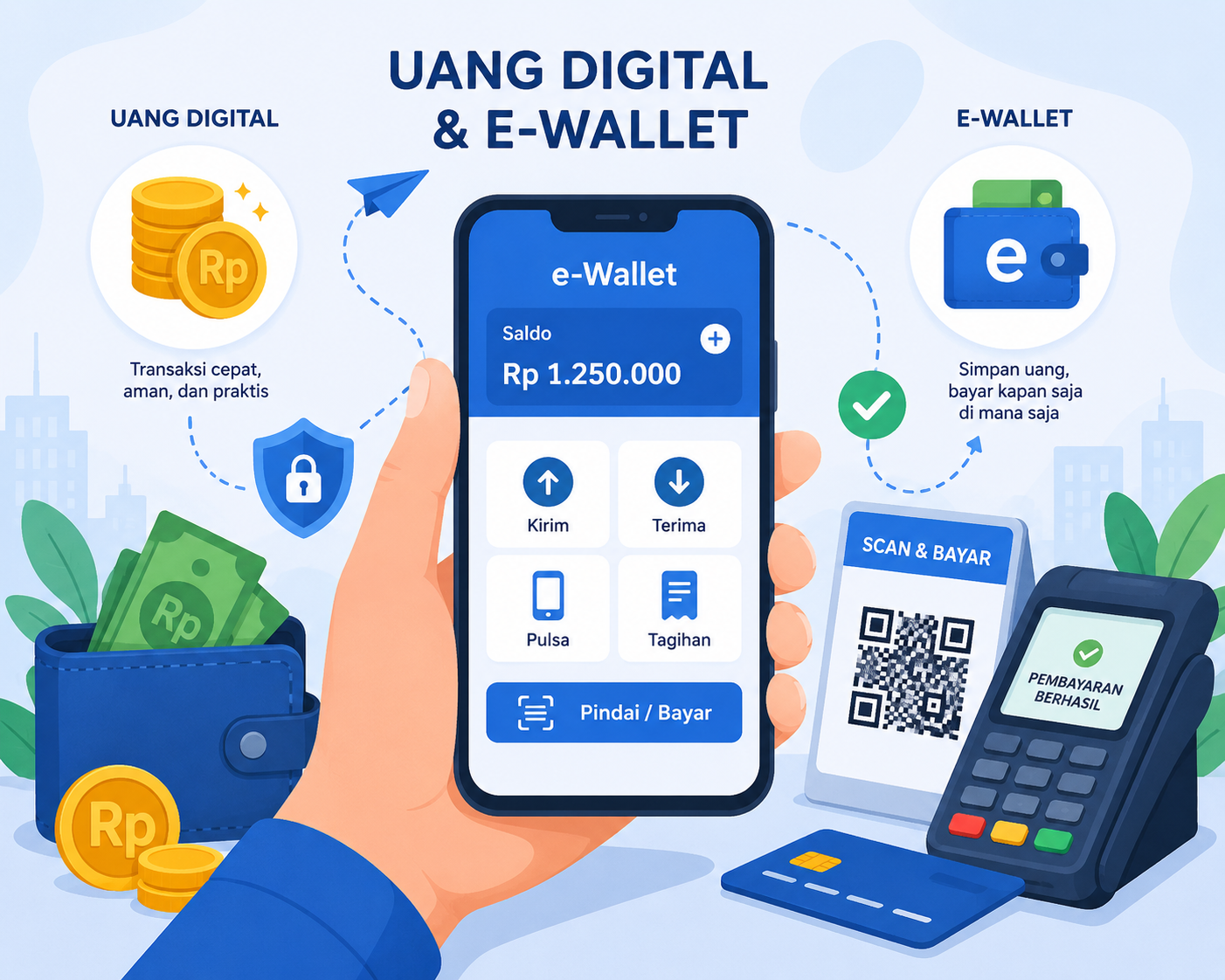
China's internet landscape is distinct due to the Great Firewall and stringent content regulations. Plugins targeting this market must prioritize compliance with local laws, such as data privacy protections and censorship guidelines. For instance, plugins handling e-commerce transactions must support payment gateways like WeChat Pay and Alipay to align with user habits. Additionally, localization extends beyond language translation to include culturally relevant design elements, such as color symbolism and iconography that resonate with Chinese audiences.
Technical Challenges and Innovations
Chinese users often rely on mobile-first interactions, necessitating plugins optimized for mobile responsiveness and offline functionality. Developers must also address the dominance of Baidu over Google, which affects SEO strategies. Plugins should incorporate Baidu SEO tools to improve search visibility. Furthermore, the integration of AI-driven features, such as smart chatbots that understand Mandarin nuances, can enhance user engagement by providing localized customer support.
Case Study: A Plugin for Chinese E-Commerce
Consider a plugin designed to connect WordPress sites with Taobao or Pinduoduo, China's leading e-commerce platforms. Key features might include:
- Multi-language support with Mandarin as the default
- Integration with Chinese payment systems
- Compliance with the Cybersecurity Law of China
- Customizable templates reflecting traditional Chinese aesthetics
This approach not only meets technical requirements but also fosters trust by aligning with cultural values.
Future Trends in Chinese WordPress Plugin Development
As China's digital economy evolves, plugins will increasingly leverage AI and blockchain to enhance security and personalization. For example, AI-powered plugins could analyze user behavior to recommend content tailored to regional preferences. Meanwhile, blockchain integration might ensure data integrity for cross-border transactions. Developers must remain agile, adapting to shifts in policies and user demands while maintaining a balance between innovation and compliance.
Conclusion
Developing WordPress plugins for the Chinese market demands a strategic blend of technical expertise, cultural sensitivity, and regulatory awareness. By addressing local needs and leveraging technological advancements, developers can create solutions that empower Chinese businesses and individuals. As the digital divide continues to narrow, plugins that bridge cultural and technological gaps will play a pivotal role in shaping China's web ecosystem.