WordPress Plugin Development: Embracing Chinese Cultural & Technological Innovation for a Unique Digital Experience
WordPress Plugin Development: Embracing Chinese Cultural & Technological Innovation for a Unique Digital Experience
The global dominance of WordPress as a content management system is undeniable, powering over 43% of all websites on the internet. Its open-source nature and vast ecosystem of themes and plugins have democratized web development, enabling creators and businesses worldwide to establish their digital presence with relative ease. However, when it comes to the vast and dynamic digital landscape of China, the "one-size-fits-all" approach often falls short. Developing WordPress plugins specifically for the Chinese market demands a unique perspective, one that deeply understands and integrates local cultural nuances, technological frameworks, and user behaviors. This article delves into the distinctive opportunities and challenges of WordPress plugin development focusing on Chinese cultural integration and technical innovation, offering insights for developers seeking to tap into this massive market.
Navigating the Chinese Digital Ecosystem: A World Apart
China's digital ecosystem is distinct, shaped by unique regulatory frameworks, a mobile-first user base, and the pervasive influence of local tech giants. Unlike many Western markets where Google, Facebook, and Amazon dominate, China boasts its own formidable platforms: Baidu for search, WeChat for social communication and an entire mini-program ecosystem, Alipay for payments, and Douyin (TikTok) for short-form video. Any successful WordPress plugin aiming for the Chinese audience must acknowledge and integrate with these foundational elements.
The "Great Firewall" significantly impacts how websites and plugins function, often blocking access to many international services that WordPress heavily relies on (e.g., Google Fonts, CDN services outside China, certain APIs). This necessitates creative technical solutions, such as leveraging local CDNs, optimizing asset delivery, and ensuring plugins are built to function independently of commonly blocked external resources. Furthermore, privacy regulations and data localization requirements demand careful consideration in plugin design and data handling.
Cultural Nuances and User Experience (UX) Design: More Than Just Translation
Localization for the Chinese market goes far beyond merely translating text. It involves a profound understanding of cultural aesthetics, communication styles, and user expectations. Chinese users often prefer rich, information-dense interfaces with vibrant colors and clear, direct calls to action. The concept of "less is more," popular in Western design, may not always resonate as effectively in China, where users often appreciate a comprehensive presentation of options and features.
For example, a plugin designed for e-commerce in China would benefit from incorporating elements of "social commerce," where sharing and group buying are common. User trust is paramount, and plugins should be designed to convey reliability, often through clear security indicators, detailed product information, and prominent customer service access. Integrating elements that resonate culturally, such as traditional motifs or themes, can also create a deeper connection with the user base. While not directly functional, visual cues that feel familiar and culturally appropriate enhance the overall user experience.

Consider how a plugin's interface might subtly incorporate traditional Chinese design elements or color palettes, much like how local art forms such as traditional dance reflect the rich cultural heritage. Such aesthetic considerations, when applied thoughtfully, can significantly enhance user engagement and trust, making the plugin feel native rather than an outsider adaptation.
Technical Innovation: Bridging the Digital Divide
The technical requirements for a WordPress plugin to succeed in China are rigorous and demand innovative solutions:
Performance Optimization for Chinese Infrastructure
- Local Hosting & CDN: Hosting WordPress sites on servers within mainland China and utilizing domestic Content Delivery Networks (CDNs) are critical for reducing latency and improving loading times. Plugins must be designed to integrate seamlessly with these local infrastructure choices.
- Asset Optimization: Plugins need to handle static assets (images, CSS, JS) efficiently, potentially offering options to replace Google Fonts with local alternatives or host them directly, and ensuring scripts are optimized for speed in a potentially bandwidth-constrained environment.
Seamless Integration with Local Platforms
- Payment Gateways: Alipay and WeChat Pay are the undisputed kings of digital payments in China. Any e-commerce or donation plugin must offer robust, secure, and user-friendly integrations with these platforms. Developing dedicated payment gateway plugins or ensuring existing ones support these methods is non-negotiable.
- WeChat Ecosystem: WeChat is more than just a messaging app; it's a super-app encompassing social media, e-commerce, and various services through "Mini Programs." Plugins that enable WordPress content to be easily shared on WeChat, facilitate WeChat login, or even create simple WeChat Mini Programs directly from WordPress can unlock immense value.
- Baidu SEO: While many global WordPress SEO plugins focus on Google, effective SEO in China means optimizing for Baidu. Plugins should ideally offer features that cater to Baidu's specific crawling, indexing, and ranking algorithms, such as proper sitemap submission to Baidu Webmaster Tools, meta tag optimization relevant for Baidu, and support for Baidu's rich snippets.
Advanced Features Leveraging Local Strengths
China is a leader in areas like AI and mobile technology. Plugins can tap into this by:
- AI-Powered Content & Personalization: Implementing AI features for automated content translation, personalized user recommendations based on browsing history, or intelligent chatbots for customer service. This could involve integrating with local AI service providers.
- Mobile-First Design & AMP: Ensuring plugins are hyper-optimized for mobile viewing and functionality, with considerations for Accelerated Mobile Pages (AMP) and other mobile-specific performance enhancements.
- E-commerce and PPOB Systems: Developing specialized plugins for local e-commerce practices (group buying, live streaming commerce) and PPOB (Payment Point Online Bank) systems for utility payments, which are highly integrated into daily life in China.
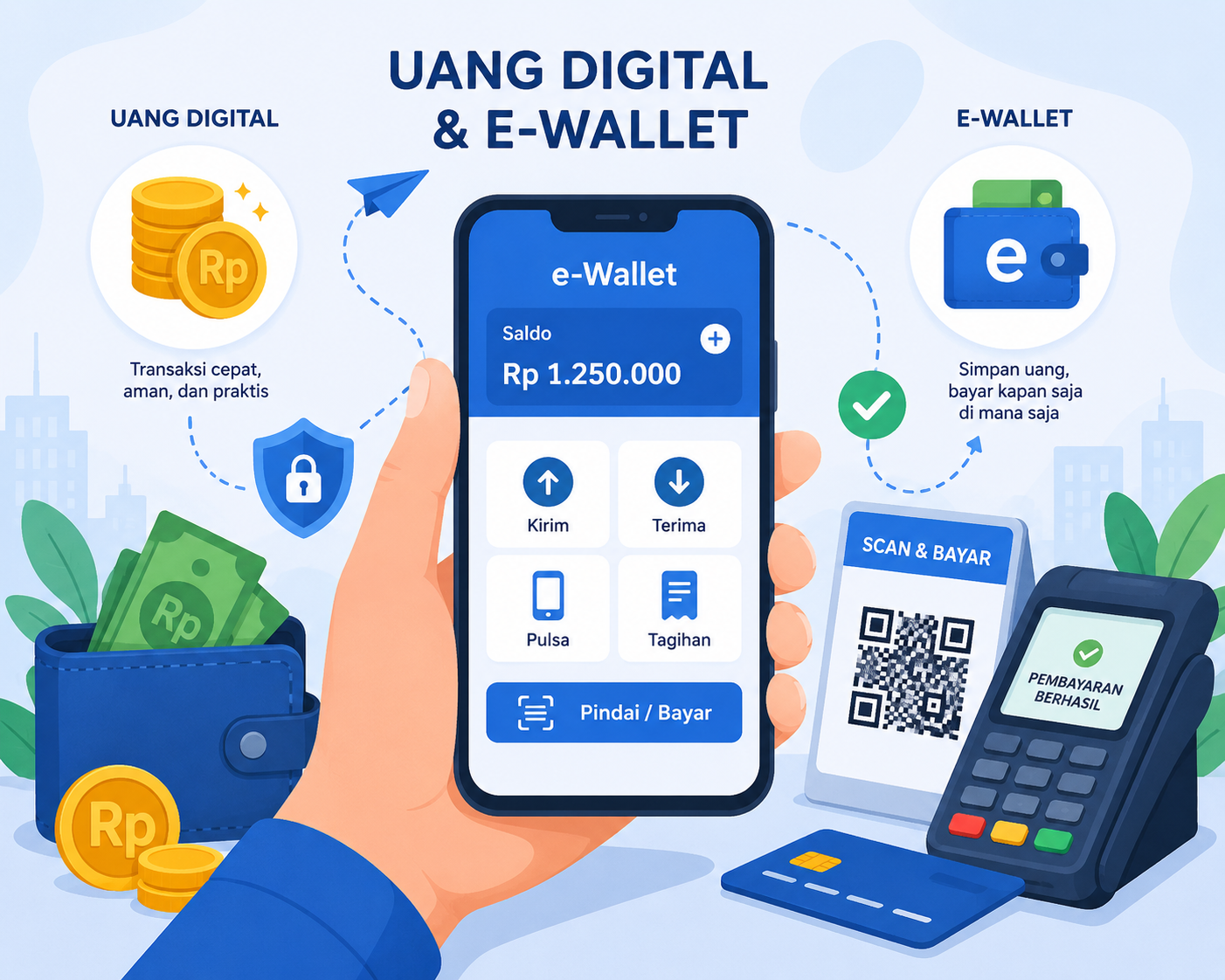
The prevalence of digital money and e-wallets like Alipay and WeChat Pay profoundly impacts how transactions are conducted. A successful WordPress plugin must seamlessly integrate these payment methods, offering a secure and familiar experience to Chinese consumers, much like the illustrative image emphasizes the ubiquity of digital finance.
The Business Imperative: Monetization and Market Penetration
Monetizing WordPress plugins in China requires strategic thinking. While freemium models are popular globally, local practices around payment and intellectual property need to be understood. Direct sales through a plugin directory might be less effective than partnering with local agencies or developers who have existing networks and understand local market dynamics. Offering local support in Mandarin is also crucial for building trust and ensuring user satisfaction.
Furthermore, developers must consider the implications of intellectual property protection within China. Clearly defined licensing terms and robust anti-piracy measures, where feasible, are important. Building a strong brand reputation and a loyal user base through excellent service and continuous innovation can be the best defense.
Challenges and Strategic Approaches for Developers
Despite the immense potential, developers face significant hurdles:
- Regulatory Compliance: Obtaining an ICP (Internet Content Provider) license is mandatory for hosting websites within mainland China. Plugins need to be designed with data privacy and content censorship regulations in mind, avoiding features that might violate local laws.
- Language and Cultural Barriers: Beyond translation, understanding idiomatic expressions, cultural sensitivities, and communication styles is vital for effective marketing and support. Engaging local experts or native speakers is highly recommended.
- Competition from Local CMS: While WordPress is powerful, local CMS solutions and website builders are also popular. Plugins must offer distinct advantages and a superior experience to stand out.
- Access to Information: Relying on Western resources for documentation or community support might be difficult due to the Great Firewall. Developers may need to seek out Chinese-specific developer communities and resources.
To overcome these, a strategic approach involves:
- Localization Teams: Investing in dedicated teams for translation, cultural adaptation, and local market insights.
- Legal Counsel: Engaging local legal experts to navigate regulatory compliance and intellectual property matters.
- Continuous Market Research: Staying updated on the rapidly evolving digital trends, new platforms, and changing user behaviors in China.
Future Outlook: A Growing Frontier for WordPress Innovation
The digital transformation in China continues at an unprecedented pace, with a rapidly growing number of businesses and individuals establishing their online presence. As the demand for sophisticated, feature-rich, and highly localized web solutions increases, so does the opportunity for WordPress plugin developers. WordPress's open-source flexibility and adaptability make it a strong contender for those willing to invest the effort in understanding and catering to the unique requirements of the Chinese market. This endeavor represents not just a business opportunity but a chance to innovate and contribute to the global digital landscape by bridging cultural and technological gaps. Embracing innovative approaches to WordPress plugin development, tailored for the Chinese context, is key to unlocking this potential.
Conclusion
Developing WordPress plugins for the Chinese market is a challenging yet highly rewarding venture. It requires a blend of deep technical expertise, cultural sensitivity, and a willingness to adapt to a distinct digital ecosystem. By focusing on localized performance optimization, seamless integration with pervasive local platforms like WeChat and Alipay, and designing with Chinese user experience and cultural aesthetics in mind, developers can create powerful, relevant, and successful plugins. This unique approach not only opens doors to an enormous market but also fosters genuine innovation within the global WordPress community, proving that localization is the ultimate form of globalization in the digital age.