The Symbiotic Evolution: How Converging Tech Trends Are Reshaping Human Existence
In an era defined by relentless innovation, staying abreast of the latest technology news and trends often feels like trying to catch lightning in a bottle. Every day brings a new breakthrough, a novel application, or a disruptive paradigm shift. Yet, beyond the surface-level announcements and viral memes, a profound transformation is underway. This isn't merely about faster gadgets or more efficient algorithms; it's about a symbiotic evolution where technology and human consciousness are increasingly intertwined, reshaping the very fabric of our existence and perception of reality. We are not just witnessing technological progress; we are actively participating in the co-creation of a future that blurs the lines between the organic and the artificial, the physical and the digital.
To truly grasp the magnitude of this shift, we must move beyond simply identifying individual trends and instead analyze their convergence, their interplay, and their deeper implications for what it means to be human in the 21st century. This article delves into the current technological currents, not just as isolated phenomena, but as interconnected streams flowing towards a redefined human experience.
The AI Renaissance: From Automation to Augmentation
Artificial Intelligence (AI) has moved far beyond the realm of science fiction and niche academic research, establishing itself as a foundational technology impacting every sector. The current AI renaissance, particularly driven by generative models like Large Language Models (LLMs) and advanced image/video generation tools, signifies a pivotal shift. We are transitioning from AI primarily as an automation tool to AI as a powerful augmenter of human intelligence and creativity. These systems are no longer just performing repetitive tasks; they are co-creating, synthesizing information, and even generating novel concepts at an unprecedented scale.
In scientific discovery, AI accelerates hypothesis generation, analyzes complex datasets, and even designs new experiments. In medicine, it's revolutionizing diagnostics, personalizing treatment plans, and speeding up drug discovery. Its ability to process vast amounts of data and identify intricate patterns is unlocking solutions to problems that have long eluded human minds. This collaborative relationship between human ingenuity and AI's analytical power promises to unlock new frontiers in every field, pushing the boundaries of what is conceivable and achievable.
Quantum Leaps: Reshaping the Very Fabric of Computation
While still in its nascent stages compared to AI, Quantum Computing represents another monumental shift. Moving beyond the classical bits of 0s and 1s, quantum computers leverage qubits that can exist in multiple states simultaneously, enabling them to tackle computations previously considered impossible. This technology holds the potential to solve problems that would take even the most powerful supercomputers billions of years, in mere minutes.
The implications are staggering. Quantum computing could revolutionize drug discovery by precisely simulating molecular interactions, break modern encryption protocols, optimize complex logistical challenges on a global scale, and advance artificial intelligence far beyond its current capabilities. It offers a glimpse into a future where our understanding of information and computation is fundamentally redefined, opening up solutions to grand challenges that currently seem insurmountable. While practical, scalable quantum computers are still some years away, the theoretical groundwork and early experimental successes hint at a profound reshaping of our technological landscape.
The Bio-Digital Frontier: Merging Life and Code
Perhaps one of the most profound and ethically challenging trends is the convergence of biotechnology and digital technology. CRISPR gene editing technology continues to advance, offering unprecedented precision in modifying DNA, promising cures for genetic diseases, and raising complex questions about human enhancement. Simultaneously, neurotechnology, particularly Brain-Computer Interfaces (BCIs) and neural implants, is making strides in bridging the gap between human thought and digital interfaces.
These innovations range from restoring mobility and communication for individuals with severe disabilities to potentially augmenting human cognitive abilities, allowing for direct interaction with digital environments or even shared consciousness. The prospect of integrating biological systems with artificial intelligence and digital networks challenges our traditional definitions of life, intelligence, and even what it means to be human. This bio-digital frontier represents a bold step towards a future where the lines between our biological selves and the technological tools we create are increasingly blurred.
Web3 and the Decentralized Dream: Reclaiming Digital Sovereignty
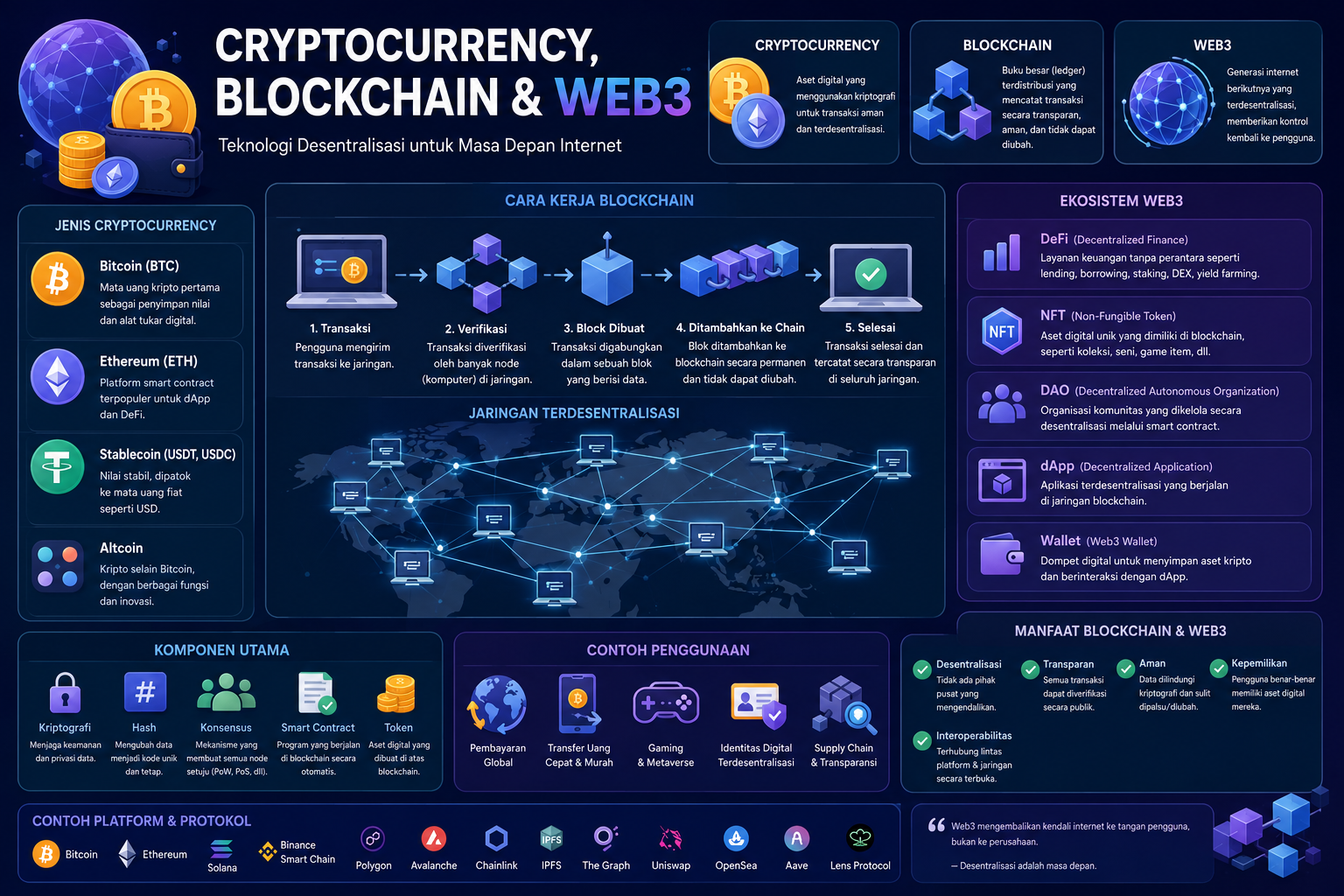
The vision of Web3, built on blockchain technology, represents a fundamental shift in how we interact with the internet and manage digital assets. Moving away from the centralized platforms of Web2, Web3 promises a decentralized, user-owned internet where individuals have greater control over their data, identity, and digital creations. Blockchain, the underlying technology for cryptocurrencies like Bitcoin and Ethereum, serves as a transparent, immutable ledger enabling trustless transactions and verifiable digital ownership.
Key components like Non-Fungible Tokens (NFTs) are redefining ownership in the digital realm, from art to digital real estate. Decentralized Autonomous Organizations (DAOs) offer new models for governance and collaboration, while Decentralized Finance (DeFi) is reimagining financial services without traditional intermediaries. This movement seeks to democratize the internet, shifting power from large corporations back to individual users and communities. As we observe how these modern technological innovations continue to evolve, the promise of a more equitable and transparent digital future gains momentum, challenging existing power structures and paving the way for new forms of digital economy and interaction.
Immersive Realities: Crafting New Perceptions
Augmented Reality (AR), Virtual Reality (VR), and Mixed Reality (MR) are collectively transforming how we perceive and interact with digital information and each other. No longer confined to niche gaming, these immersive technologies are finding applications across industries, from surgical training and architectural design to remote collaboration and education. The concept of the "Metaverse," a persistent, shared, and interconnected digital world, while still largely aspirational, signifies a future where our digital presence becomes as substantial as our physical one.
These technologies have the potential to dissolve geographical barriers, create novel forms of social interaction, and offer entirely new sensory experiences. However, they also raise important questions about digital addiction, the nature of reality, and the psychological impact of spending increasing amounts of time in virtual environments. As our realities become increasingly blended, understanding the cognitive and social implications of these immersive worlds becomes paramount.
Sustainable Innovation: Technology's Ethical Compass
Amidst the excitement of technological advancement, a critical ethical imperative has emerged: sustainability. The environmental impact of global technology — from energy consumption by data centers to the lifecycle of electronic devices — demands innovative solutions. Green technology and sustainable innovation are no longer optional extras but fundamental requirements for responsible development.
This trend encompasses renewable energy technologies, carbon capture and storage, smart grids, and AI-driven solutions for optimizing resource allocation and climate modeling. It also involves designing technology with circular economy principles in mind, minimizing waste, and maximizing reuse. The integration of sustainability into the core of technological development reflects a growing awareness that progress cannot come at the expense of our planet. Technology, in its most responsible form, must be a tool for environmental stewardship and building a resilient future.
The Grand Convergence: Weaving the Tapestry of Tomorrow
The true power of these individual trends lies not in their isolation but in their profound convergence. Imagine AI accelerating the design of quantum algorithms, while quantum computing optimizes AI models. Envision neurotechnology seamlessly integrating with immersive realities, allowing intuitive control of digital worlds with just a thought. Consider how blockchain technology could provide secure, verifiable frameworks for managing sensitive bio-data or ensuring the ethical provenance of AI-generated content.
This interweaving of technological strands creates an exponential feedback loop, where each advancement fuels the next, leading to unforeseen capabilities and transformations. It's this grand convergence that truly underscores the idea of technology as an architect of new realities, moving beyond mere gadgets to fundamentally reshape our lives and perceptions. We are building a complex, interconnected technological ecosystem that will define the coming decades.
Humanity at the Crossroads: Opportunities and Existential Questions
This era of rapid, convergent technological evolution presents humanity with both unparalleled opportunities and profound existential questions. The potential to eradicate diseases, solve global challenges like climate change and poverty, and unlock unprecedented levels of human creativity and flourishing is within reach. However, these advancements also bring forth complex ethical dilemmas. Questions surrounding AI ethics, data privacy, digital divides, the responsible use of gene editing, and the potential for autonomous systems to make decisions with far-reaching consequences demand our urgent attention.
The societal impact of these technologies is immense, challenging our legal frameworks, economic structures, and even our understanding of identity and consciousness. Ensuring that these powerful tools are developed and deployed with wisdom, empathy, and a commitment to collective well-being is the defining challenge of our time. It requires ongoing dialogue between technologists, ethicists, policymakers, and the public to navigate this complex landscape responsibly.
Conclusion
The latest technology news and trends are not just headlines; they are chapters in the ongoing story of human and technological co-evolution. From the augmenting power of AI to the mind-bending potential of quantum computing, the bio-digital frontier, the decentralized promise of Web3, and the immersive worlds of AR/VR, we are witnessing an unprecedented era of transformation. This symbiotic relationship, where our tools increasingly shape our being, calls for a conscious and deliberate approach to innovation.
As we stand at this fascinating crossroads, the future is not a predetermined path but a tapestry woven by our choices today. The imperative is clear: to harness these powerful technologies not just for efficiency or profit, but to elevate humanity, foster a more sustainable world, and build a future that is meaningful, equitable, and conscious of its profound responsibilities.