The Silent Architects of Reality: Unpacking Culture as an Adaptive Algorithm
In our incessant quest to understand the complexities of human existence, we often dissect the visible – economies, political structures, technological advancements. Yet, lurking beneath these tangible manifestations is an unseen force, a master architect that subtly shapes our perceptions, dictates our interactions, and defines our very sense of self: culture. Far from a mere collection of customs and traditions, culture can be understood as an immensely complex, self-organizing, and adaptive algorithm – a dynamic operating system that dictates how societies function, evolve, and interpret the world.
This perspective shifts our understanding from a static definition to a living, breathing entity, constantly processing inputs, generating outputs, and adjusting its parameters based on environmental feedback. Just as a sophisticated algorithm learns and refines its operations, so too does culture, driven by the collective experiences, challenges, and aspirations of a community. It’s a blueprint etched not in silicon, but in the intricate neural pathways of human consciousness, passed down through generations, and refined with every passing moment.
Culture as an Evolving Blueprint: The Operating System of Society
Imagine culture as the foundational operating system upon which all human interaction runs. It’s the invisible code that enables us to navigate social situations, understand unspoken cues, and predict behaviors within our group. This operating system isn't stagnant; it's designed for continuous adaptation. From the earliest tribal societies devising methods for survival to modern globalized communities grappling with digital transformation, culture has consistently evolved to address new challenges and opportunities. Its primary function is to optimize for collective cohesion and survival, providing frameworks for cooperation, conflict resolution, and meaning-making. When new environmental pressures arise, whether they be climate change, technological revolutions, or intergroup dynamics, the cultural algorithm initiates an internal process of recalibration, seeking to integrate new data and generate updated responses that maintain equilibrium and progress for the collective.
This evolutionary aspect is critical. Cultures that fail to adapt risk becoming obsolete or fracturing. The ability to absorb new information, re-evaluate existing norms, and even discard outdated elements is a hallmark of resilient cultural systems. It's a testament to humanity's inherent capacity for collective learning, where innovations in one generation become traditions in the next, and old traditions are reinterpreted or set aside as contexts shift. The fluidity and resilience of this cultural operating system are precisely what have allowed humanity to thrive in diverse environments and overcome myriad obstacles throughout history.
The Unseen Code: Norms, Values, and Beliefs
At the heart of this cultural algorithm are its core components: norms, values, and beliefs. Norms are the unwritten rules of behavior – the 'if-then' statements in the cultural code. If someone offers a greeting, then you respond in kind. If a certain sacred object is present, then reverence is expected. Values are the 'priority settings' – the collective judgments about what is good, desirable, or important. They guide moral choices and shape societal aspirations, influencing everything from economic policies to family structures. Beliefs, on the other hand, are the fundamental 'data structures' – the shared understandings about the nature of reality, humanity, and the universe. They provide the interpretive framework through which all other information is processed, often dictating what is considered true, false, possible, or impossible.
These three elements are inextricably linked, forming a recursive feedback loop. Beliefs inform values, which in turn shape norms. Adherence to these norms reinforces values and strengthens beliefs. When an individual deviates from a norm, the cultural algorithm initiates a 'debug' process, often through social sanctions, to realign the individual with the collective programming. This intricate interplay ensures a degree of predictability and order within a society, allowing individuals to operate within a shared framework of meaning and expectation, reducing cognitive load and facilitating collective action. Understanding these foundational codes is paramount to deciphering any cultural system.
Decoding Cultural Outputs: Rituals, Traditions, and Expressions
The output of this cultural algorithm is a rich tapestry of observable phenomena: rituals, traditions, art, language, cuisine, and social etiquette. These are not merely decorative elements but rather the tangible manifestations of the underlying code, acting as both expressions of cultural identity and mechanisms for its perpetuation. Rituals, from religious ceremonies to daily greetings, serve as programmed sequences that reinforce shared values and beliefs, often marking transitions or affirming group solidarity. Traditions, whether annual festivals or specific ways of raising children, are repetitive loops in the cultural code that transmit knowledge and identity across generations.
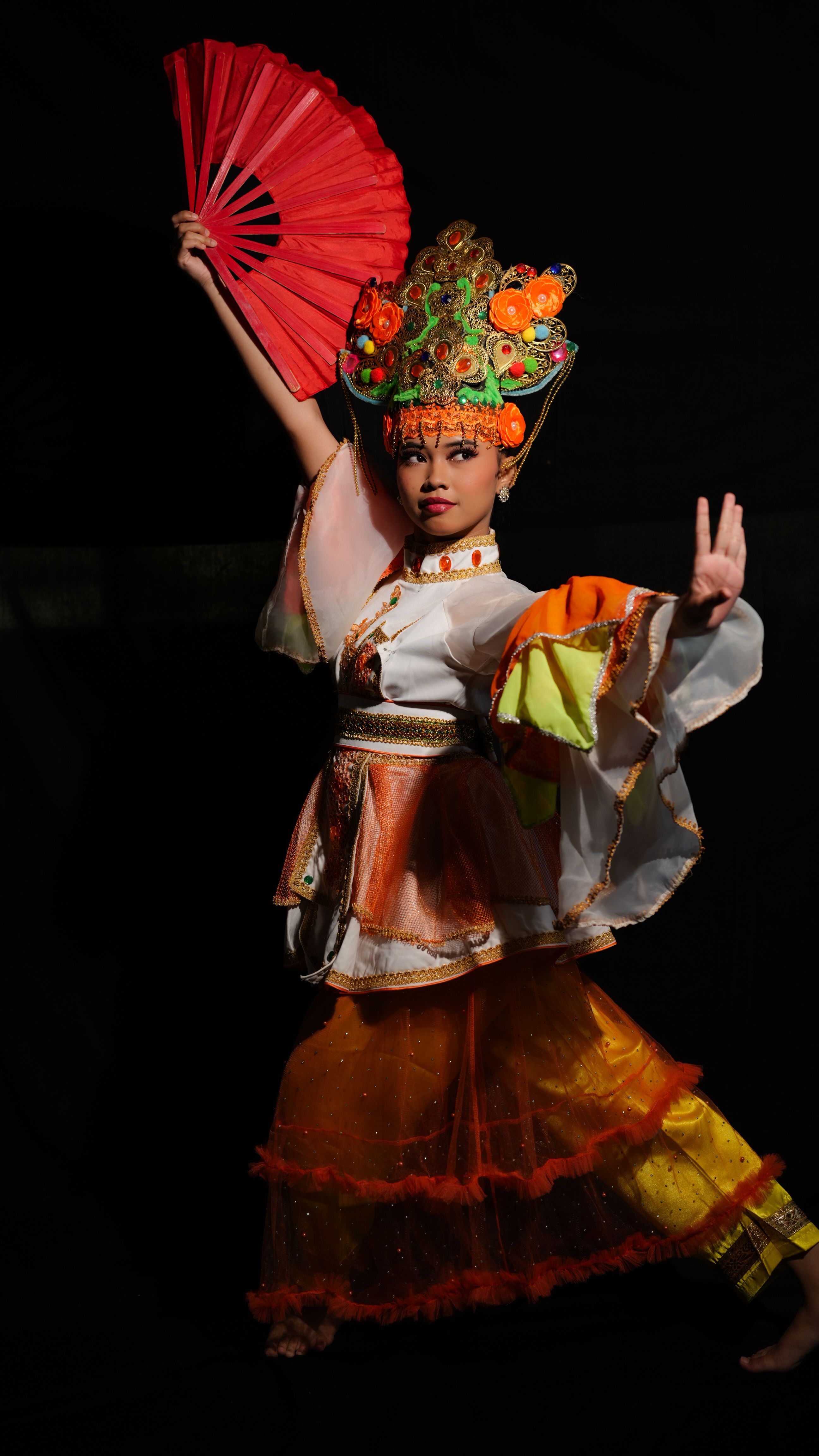
Art and language are particularly potent output mechanisms. Language itself is a meta-algorithm, providing the framework for thought and communication, profoundly shaping how a culture perceives and interacts with reality. Artistic expressions, from music and dance to literature and visual arts, are complex data visualizations that communicate emotions, narratives, and insights derived from the cultural operating system. For instance, a traditional dance, rich in symbolic movements and patterns, is a dynamic representation of a community's history, values, and spiritual beliefs. Such cultural outputs are not static; they are continuously interpreted, re-enacted, and sometimes even updated or remixed by each new generation, demonstrating the living nature of the cultural algorithm.
The Impact of External Variables: Technology and Globalization
Just as any algorithm is influenced by external data and environmental shifts, so too is culture. Two of the most powerful external variables in contemporary times are technology and globalization. Technology as an architect of new realities introduces novel tools, communication methods, and modes of interaction that inevitably challenge and reshape existing cultural norms and values. The advent of the internet and social media, for example, has drastically altered how information is shared, how social connections are formed, and even how identities are constructed. Traditional gatekeepers of culture – families, religious institutions, local communities – now contend with a deluge of globalized information and alternative narratives, forcing a rapid recalibration of cultural algorithms.
Globalization, in its broadest sense, represents an unprecedented exchange of cultural data. As people, ideas, goods, and capital flow across borders with increasing ease, cultural algorithms are constantly exposed to foreign code. This can lead to hybridization, where elements from different cultures merge to form new expressions, or it can create friction and resistance as established systems attempt to defend their integrity. The global village is, in essence, a massive network of interconnected cultural operating systems, constantly sharing, adapting, and occasionally clashing. Understanding this intricate global interaction is key to navigating the future of human society, recognizing that the integrity of local cultures often depends on their ability to integrate global influences without losing their unique core.
The Challenge of Cultural Debugging: Misunderstandings and Conflict
Despite its adaptive nature, cultural algorithms are not infallible. They can develop 'bugs,' 'glitches,' or 'incompatibilities' – often manifesting as cultural misunderstandings, intergroup conflict, or internal societal discord. When individuals or groups operating on different cultural algorithms interact, their differing codes for interpreting behavior, communicating intent, and prioritizing values can lead to significant friction. A gesture that is polite in one culture might be offensive in another; a direct communication style valued in one context might be seen as rude in another. These are not failures of human intent but rather misalignments in the underlying cultural programming.
Moreover, internal debugging is a constant process. Societies grapple with evolving ethics, social justice movements, and changing demographics, all of which demand updates to the cultural operating system. These 'updates' are rarely seamless; they often involve periods of intense debate, resistance, and social upheaval as different factions within a culture vie for their preferred version of the code. The challenge lies in finding common ground, in writing new patches that can be integrated without corrupting the entire system, while allowing for necessary evolution. Ignoring these signals for change can lead to systemic failures, demonstrating that even the most robust cultural algorithms require regular maintenance and thoughtful adaptation to remain functional and equitable for all its users.
Cultivating Cultural Intelligence: Learning to Read the Code
In an increasingly interconnected world, the ability to understand and navigate diverse cultural algorithms – often termed 'cultural intelligence' – is no longer a luxury but a necessity. It involves moving beyond superficial observations to delve into the underlying code: discerning the unwritten rules, recognizing the dominant values, and appreciating the foundational beliefs that shape another culture's operating system. This is akin to learning a new programming language; it requires empathy, observation, and a willingness to suspend one's own default programming in order to understand another's logic. Developing cultural intelligence allows us to anticipate behaviors, interpret communications more accurately, and foster more productive and harmonious interactions across cultural divides.
By viewing culture as an adaptive algorithm, we gain a more profound appreciation for its dynamic nature and immense power. It underscores the idea that culture is not a rigid set of rules but a constantly rewritten script, influenced by every interaction, every innovation, and every shared experience. It highlights the agency we collectively possess to influence this algorithm, to unveil the digital realm and how technological trends redefine our reality, and to consciously contribute to its evolution towards a more inclusive and understanding future. The future of humanity may well depend on our collective ability to not just live within our cultural algorithms, but to understand, debug, and collaboratively enhance them for the betterment of all.
Conclusion: The Enduring Dance of Culture and Humanity
Culture, then, is far more than a static backdrop to human existence; it is the very engine of our collective journey. As an adaptive algorithm, it provides the essential framework for meaning, identity, and interaction, constantly evolving in response to internal and external stimuli. From the ancient narratives woven around campfires to the digital dialogues spanning continents, culture continues its tireless work, shaping reality, bridging past and present, and paving the way for future adaptations. Recognizing this profound algorithmic nature of culture empowers us not only to appreciate its intricate beauty but also to participate more consciously in its ongoing creation and refinement. It reminds us that while technology may change the tools we use, and economies may shift the resources we value, the fundamental human need to build shared meaning and navigate life through a collective, evolving operating system remains an enduring testament to the power of culture.