The Evolution of Website Tools: Innovating Web Development in the Modern Digital Landscape
Introduction: The Backbone of Modern Web Presence
Website tools have become the unsung heroes of the digital age, enabling developers, marketers, and content creators to build, optimize, and maintain websites efficiently. From WordPress plugins to AI-driven SEO analyzers, these tools bridge the gap between raw code and user-friendly digital experiences. In an era where online visibility is synonymous with business success, understanding the evolution and strategic use of website tools is no longer optional—it's essential.
Development Tools: From Code Editors to Frameworks
At the core of website building lies the arsenal of development tools that streamline the coding process. Modern code editors like Visual Studio Code and Sublime Text offer intelligent code completion, syntax highlighting, and integrated terminal support. For collaborative projects, version control systems such as Git and platforms like GitHub revolutionize teamwork by enabling real-time updates and conflict resolution.
Framework tools like React, Angular, and Vue.js empower developers to create dynamic, responsive websites with reusable components. These frameworks not only accelerate development but also ensure scalability—a critical factor for growing businesses. 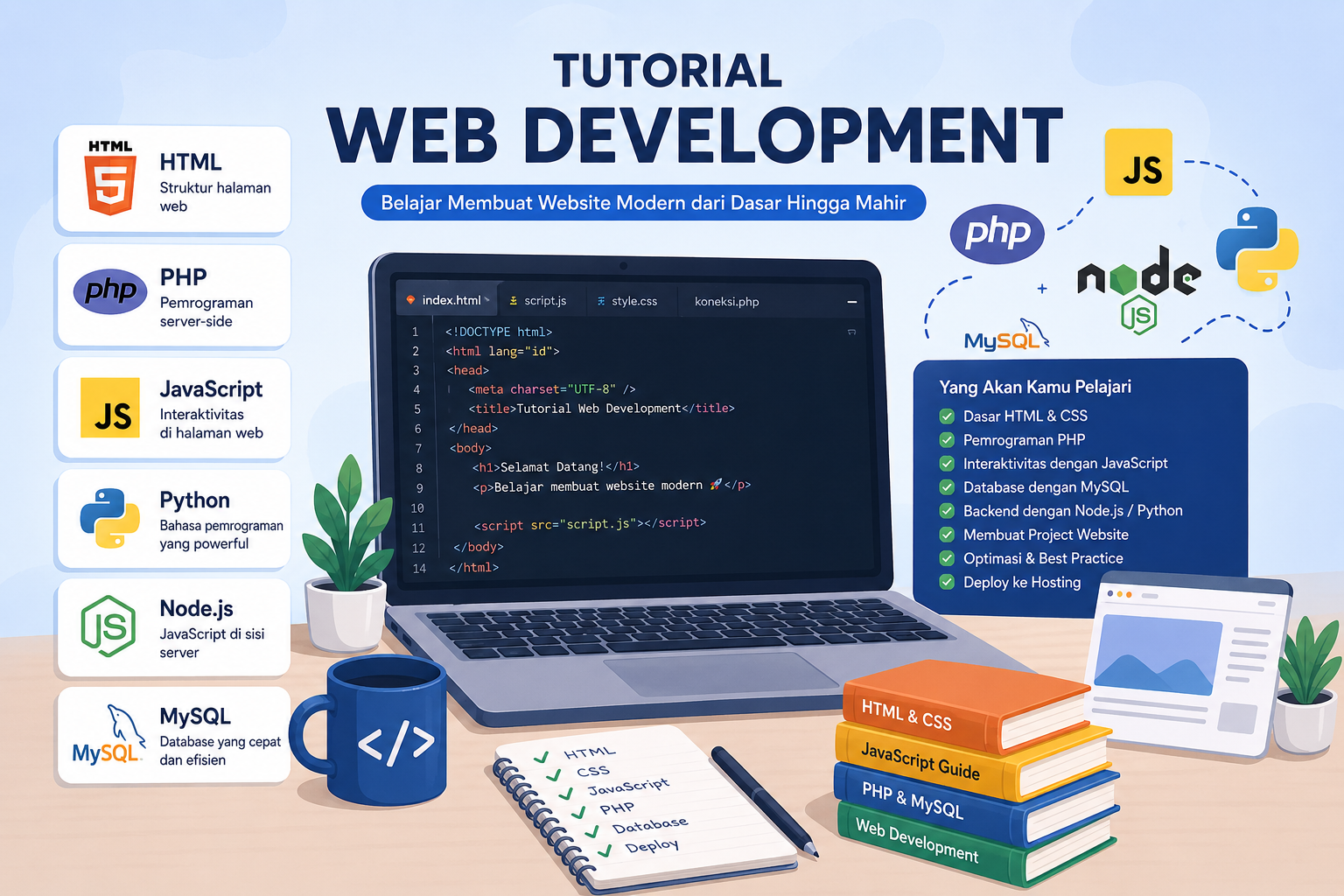
SEO and Analytics: Data-Driven Optimization
Search Engine Optimization (SEO) tools have evolved into sophisticated platforms that combine analytics with actionable insights. Google Search Console and SEMrush monitor website performance, identify technical issues, and track keyword rankings. Tools like Ahrefs and Moz provide competitor analysis, helping businesses uncover opportunities in crowded markets.
Complementing these are analytics tools like Google Analytics and Hotjar, which offer user behavior insights through heatmaps, session recordings, and demographic data. By leveraging this data, organizations can refine content strategies and improve user engagement. For instance, identifying high-exit pages via Hotjar might lead to A/B testing of call-to-action buttons or navigation redesigns.
Security Tools: Fortifying Digital Assets
As cyber threats grow more sophisticated, security tools have become indispensable. SSL certificate providers like Let's Encrypt ensure encrypted connections, while firewalls such as Cloudflare protect against DDoS attacks. Vulnerability scanners like Sucuri and Wordfence detect malware, particularly crucial for platforms like WordPress sites, which are frequent targets of hacking attempts.
Additionally, tools like OWASP ZAP and Burp Suite enable ethical hackers to perform penetration testing, identifying weaknesses before malicious actors exploit them. Implementing multi-factor authentication (MFA) via plugins like Google Authenticator further bolsters account security, especially for administrative interfaces.
User Experience (UX) Tools: Enhancing Visitor Interaction
The success of a website hinges on its ability to deliver seamless user experiences. UX tools like Figma and Adobe XD streamline UI/UX design by allowing collaborative prototyping. Surveys and feedback tools such as Typeform and SurveyMonkey gather user preferences, guiding improvements in site structure or content delivery.
For live websites, tools like Optimizely facilitate A/B testing to determine the most effective layouts or features. Chatbots powered by platforms like Tidio or Bold360 integrate real-time support, reducing bounce rates and improving customer satisfaction. These tools collectively ensure that websites evolve in harmony with user expectations.
Conclusion: Choosing the Right Tools for Future-Proof Websites
Website tools are not merely conveniences—they are strategic assets in the digital ecosystem. From accelerating development with frameworks to safeguarding data with encryption, each category of tools plays a pivotal role. As technology advances, staying ahead requires continuous evaluation of tools to align with emerging trends like AI-driven analytics or blockchain-based security.
By adopting a holistic approach to tool selection, businesses can future-proof their websites, ensuring they remain competitive in an ever-evolving online landscape. Whether you're a developer refining your codebase or a marketer optimizing SEO, the right tools can transform challenges into opportunities for innovation.