Building Resilient SMEs: The Strategic Imperative of Data-Driven Financial Management and Agile Accounting
Small and Medium-sized Enterprises (SMEs) are the backbone of global economies, fueling innovation, creating jobs, and driving local development. Yet, they often operate in a precarious balance, disproportionately affected by economic downturns, market shifts, and unforeseen challenges. At the core of an SME's longevity and success lies robust financial management and agile accounting practices. This isn't merely about balancing the books; it's about transforming raw financial data into strategic insights that build resilience and pave the way for sustainable growth in an ever-dynamic landscape.
The traditional approach to SME finance, often characterized by reactive bookkeeping and a focus solely on compliance, is no longer sufficient. Modern SMEs require a proactive, data-driven methodology that integrates financial oversight with strategic business planning. This article delves into the unique perspective of viewing financial management and accounting not as a necessary evil, but as a dynamic strategic asset for building resilient, future-proof SMEs.
The Foundational Pillars of SME Financial Resilience
Achieving financial resilience for an SME is an iterative process built upon several interconnected pillars. Each element, when properly managed and integrated, contributes to a holistic financial ecosystem that can withstand shocks and capitalize on opportunities.
1. Mastering Cash Flow: The Lifeblood of Survival
For many SMEs, the mantra "cash is king" is a daily reality. Unlike larger corporations with extensive credit lines, SMEs often operate on thinner margins, making efficient cash flow management paramount. It’s not just about having cash in the bank, but understanding its ebb and flow – where it comes from, where it goes, and when. This involves meticulous tracking of accounts receivable and payable, optimizing inventory, and forecasting short-term liquidity needs. Proactive cash flow forecasting allows businesses to anticipate shortages, negotiate better terms with suppliers, or secure short-term financing before a crisis hits. It’s the difference between merely surviving and strategically thriving.
2. Precision in Bookkeeping & Record Keeping: Beyond Compliance
Accurate and timely bookkeeping forms the bedrock of all sound financial decisions. It provides a real-time snapshot of the business's financial health, enabling informed decisions. This goes beyond just recording transactions; it involves proper categorization, reconciliation, and adherence to accounting principles. While often seen as an administrative burden, robust record-keeping is critical for legal and tax compliance, but more importantly, it's the raw material for financial analysis. Without precise data, any strategic insight is merely guesswork.

3. Strategic Budgeting & Forecasting: Charting the Future
A budget is more than just a spending limit; it's a financial roadmap aligned with business objectives. For SMEs, strategic budgeting involves setting realistic financial goals, allocating resources effectively, and monitoring performance against those goals. Coupled with forecasting, which projects future financial outcomes based on historical data and market trends, it empowers owners to make proactive adjustments. This foresight allows SMEs to plan for expansion, allocate funds for marketing campaigns, or even prepare for seasonal dips, turning potential weaknesses into opportunities for stabilization.
4. Debt & Funding Strategies: Fueling Growth Responsibly
Access to capital is often a major hurdle for SMEs. Whether seeking initial startup funds, growth capital, or bridging loans, understanding different funding options (bootstrapping, angel investors, venture capital, bank loans, government grants) is crucial. More importantly, it’s about strategically managing debt. Responsible debt management means assessing the cost of capital, ensuring repayment capabilities, and leveraging debt to generate returns that outweigh interest expenses. A well-structured debt portfolio can be a powerful engine for growth, while mismanaged debt can quickly spiral into distress.
5. Deciphering Financial Statements: The Language of Business Performance
The Income Statement, Balance Sheet, and Cash Flow Statement are not just documents for accountants; they are vital tools for every SME owner. Learning to read and interpret these statements allows owners to understand profitability, solvency, and liquidity. Analyzing trends over time can reveal underlying issues or highlight areas of success. For instance, a declining profit margin on the income statement might prompt an investigation into cost structures, while a strong current ratio on the balance sheet indicates healthy liquidity. These statements are the diagnostic tools for financial health.
Leveraging Technology for Agile Accounting and Data-Driven Insights
The digital revolution has democratized sophisticated financial tools, making them accessible and affordable for SMEs. Embracing technology is no longer an option but a strategic imperative for agility and data-driven decision-making.
Cloud Accounting Software: The Backbone of Modern SME Finance
Cloud-based accounting platforms (e.g., Xero, QuickBooks Online, Zoho Books) have transformed how SMEs manage their finances. They offer real-time financial data, automated bookkeeping tasks (like bank feeds and expense categorization), and easy collaboration with accountants. This automation reduces manual errors, saves time, and provides owners with an up-to-the-minute view of their financial position, crucial for rapid decision-making.
Integration and Automation: Streamlining Operations
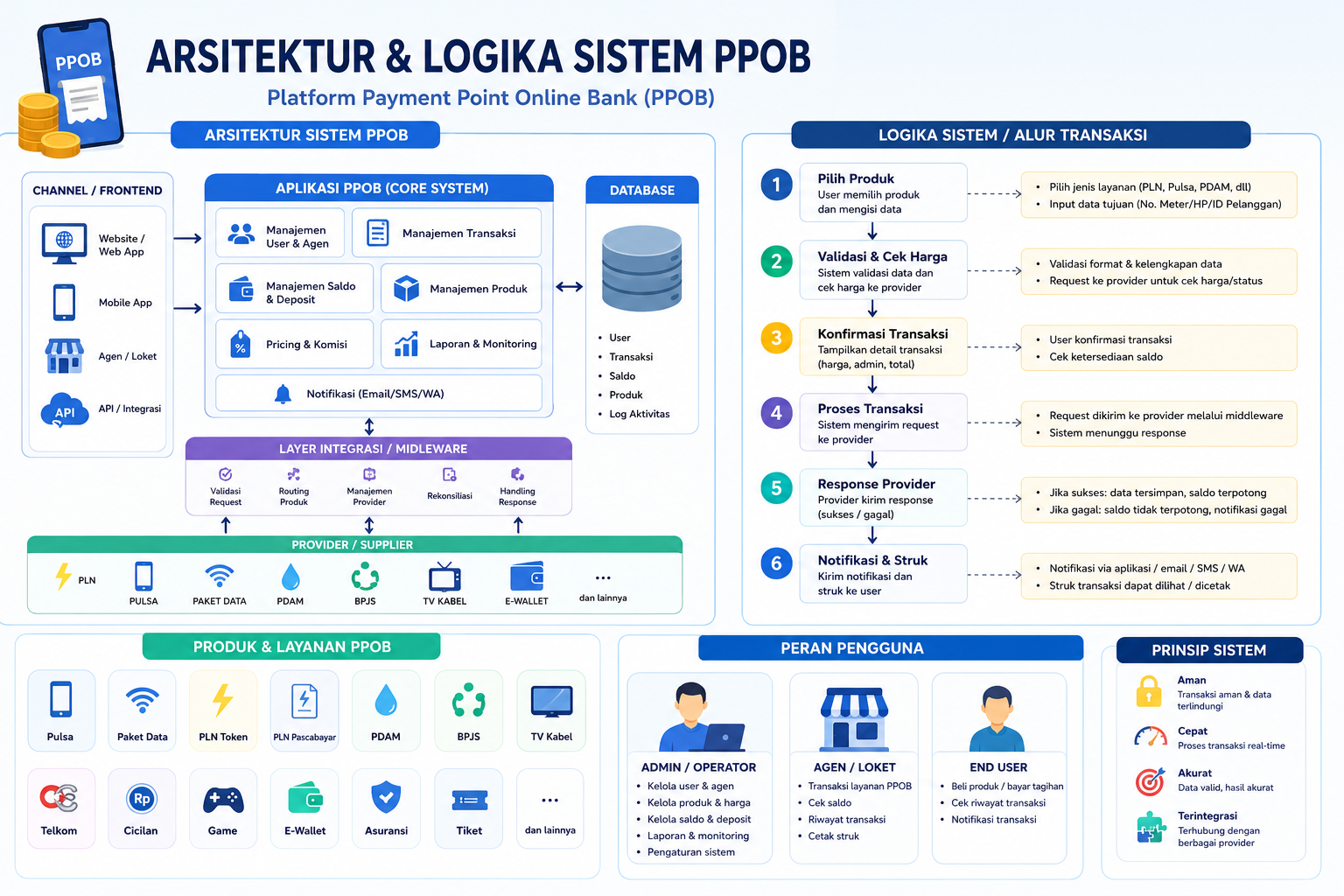
Beyond core accounting, integrating financial software with other business systems – CRM, inventory management, e-commerce platforms – creates a seamless flow of data. This holistic view helps identify efficiencies, track product profitability, and manage customer accounts more effectively. Automation extends to areas like invoice generation, payroll processing, and expense reporting, freeing up valuable time for strategic analysis rather than repetitive tasks. For example, robust PPOB system design (Payment Point Online Bank) can significantly streamline payment collection and reconciliation, integrating seamlessly into an SME's financial ecosystem.
Data Analytics and Business Intelligence: Unlocking Strategic Value
With clean, organized data from cloud accounting and integrated systems, SMEs can harness the power of data analytics. Basic reporting tools can highlight trends in sales, expenses, and customer behavior. More advanced analytics, sometimes leveraging AI, can provide predictive insights, helping with demand forecasting, risk assessment, and personalized marketing strategies. Even simple dashboards can transform complex financial data into easily digestible visual information, empowering owners to make faster, smarter decisions.
The Human Element: Overcoming Behavioral Biases and Seeking Expertise
While technology is a powerful enabler, the human element remains critical. SME owners often wear many hats, and financial decisions can be influenced by personal biases, emotional attachments to the business, or simply a lack of specialized knowledge.
Overcoming Financial Blind Spots
Entrepreneurs are often optimists, a trait that can sometimes lead to underestimating risks or overestimating returns. Acknowledging and actively mitigating these behavioral biases (e.g., confirmation bias, sunk cost fallacy) is vital. Relying on objective financial data and seeking external perspectives can provide a more balanced view.
The Value of Professional Guidance
Many SMEs hesitate to invest in professional accounting and financial advisory services, viewing them as an unnecessary expense. However, a good accountant or financial advisor is an invaluable strategic partner. They not only ensure compliance but also offer expert analysis, identify tax efficiencies, and provide guidance on growth strategies, funding, and risk management. This expertise can often save an SME far more than its cost in fees.
Measuring Success Beyond Profit: KPIs for Resilience and Sustainability
While profit is undoubtedly important, a resilient SME measures success through a broader set of Key Performance Indicators (KPIs) that reflect financial health, operational efficiency, and long-term sustainability. These might include:
- Gross Profit Margin: Indicates the profitability of core products/services.
- Net Profit Margin: Shows overall profitability after all expenses.
- Cash Conversion Cycle: Measures the time it takes for cash invested in inventory and receivables to convert back into cash. A shorter cycle indicates better efficiency.
- Customer Acquisition Cost (CAC) & Customer Lifetime Value (CLV): Crucial for marketing and sales strategy.
- Employee Productivity: Measures efficiency of human capital.
- Debt-to-Equity Ratio: Indicates financial leverage and risk.
- Burn Rate: For startups, how quickly they are spending cash.
- Repeat Business Rate: A strong indicator of customer satisfaction and loyalty.
Monitoring these KPIs regularly provides a comprehensive dashboard of the business's health, allowing for proactive adjustments rather than reactive damage control. Furthermore, adopting tools and practices seen in larger enterprises, such as those found in comprehensive WordPress plugin development for specific market needs, can bring sophisticated functionalities like advanced reporting or e-commerce analytics directly to SME platforms.
Strategic Financial Planning for Growth and Resilience
Ultimately, the unique perspective required for SME financial management is one that views finance as an integral part of strategic business development. It’s not just about historical reporting but about shaping the future.
- Scenario Planning: Preparing for different economic conditions (e.g., recession, boom) allows an SME to build contingency plans and identify pivot points.
- Risk Management: Identifying financial risks (e.g., interest rate fluctuations, currency risks, credit risk) and developing strategies to mitigate them.
- Exit Strategy Planning: Even if years away, thinking about a potential sale, acquisition, or succession plan impacts current financial decisions and valuations.
- Investment in Innovation: Allocating funds for R&D, new technologies, or employee training, viewing these as investments in future resilience and competitive advantage.
Conclusion
For SMEs to not just survive but thrive in today's complex economic environment, financial management and accounting must evolve from mere record-keeping to a strategic discipline. By embracing a data-driven approach, leveraging appropriate technologies, fostering a culture of financial literacy, and seeking expert guidance, SME owners can transform their financial operations into a powerful engine for resilience, sustainable growth, and long-term success. It's about moving beyond the numbers to understand the story they tell and using that narrative to write a stronger, more resilient future for their business.