Beyond the Hype: Decoding the Interconnected Future of Technology
In an era defined by relentless innovation, staying abreast of the latest technological developments is less about keeping up and more about understanding the profound shifts reshaping our world. We are not merely witnessing incremental upgrades but a Technological Renaissance, where once-disparate fields are converging to create a tapestry of interconnected possibilities. This article delves into the current major technological trends, examining their underlying mechanics, potential societal impact, and the fascinating ways they are beginning to intertwine, painting a vivid picture of the future that is already unfolding.
The landscape of technology is a dynamic canvas, constantly being repainted with new ideas, breakthroughs, and paradigm shifts. From the intricate algorithms that power artificial intelligence to the decentralized ledgers of blockchain, each development contributes to a larger narrative of human progress and challenge. Our exploration will move beyond superficial headlines to uncover the substance of these trends, offering a unique perspective on how they are collectively shaping our digital and physical realities.
The Ubiquitous Rise of Artificial Intelligence (AI) and Machine Learning (ML)
Perhaps no other technology has captured the collective imagination and delivered as much transformative power as Artificial Intelligence and Machine Learning. Beyond the buzzwords, AI is maturing from a specialized field into an integral component of nearly every industry. Its evolution is characterized by increasingly sophisticated algorithms, robust datasets, and powerful computational infrastructure, enabling capabilities that were once confined to science fiction.
Current trends in AI extend far beyond simple automation. We are seeing breakthroughs in Generative AI, exemplified by models like GPT-4 and Stable Diffusion, which can create human-quality text, images, audio, and even video. This capability is revolutionizing content creation, design, and even scientific discovery. Furthermore, AI is becoming more explainable and ethical, with a growing focus on transparency (XAI), fairness, and bias mitigation, addressing critical concerns about its deployment in sensitive areas like healthcare, finance, and law enforcement.
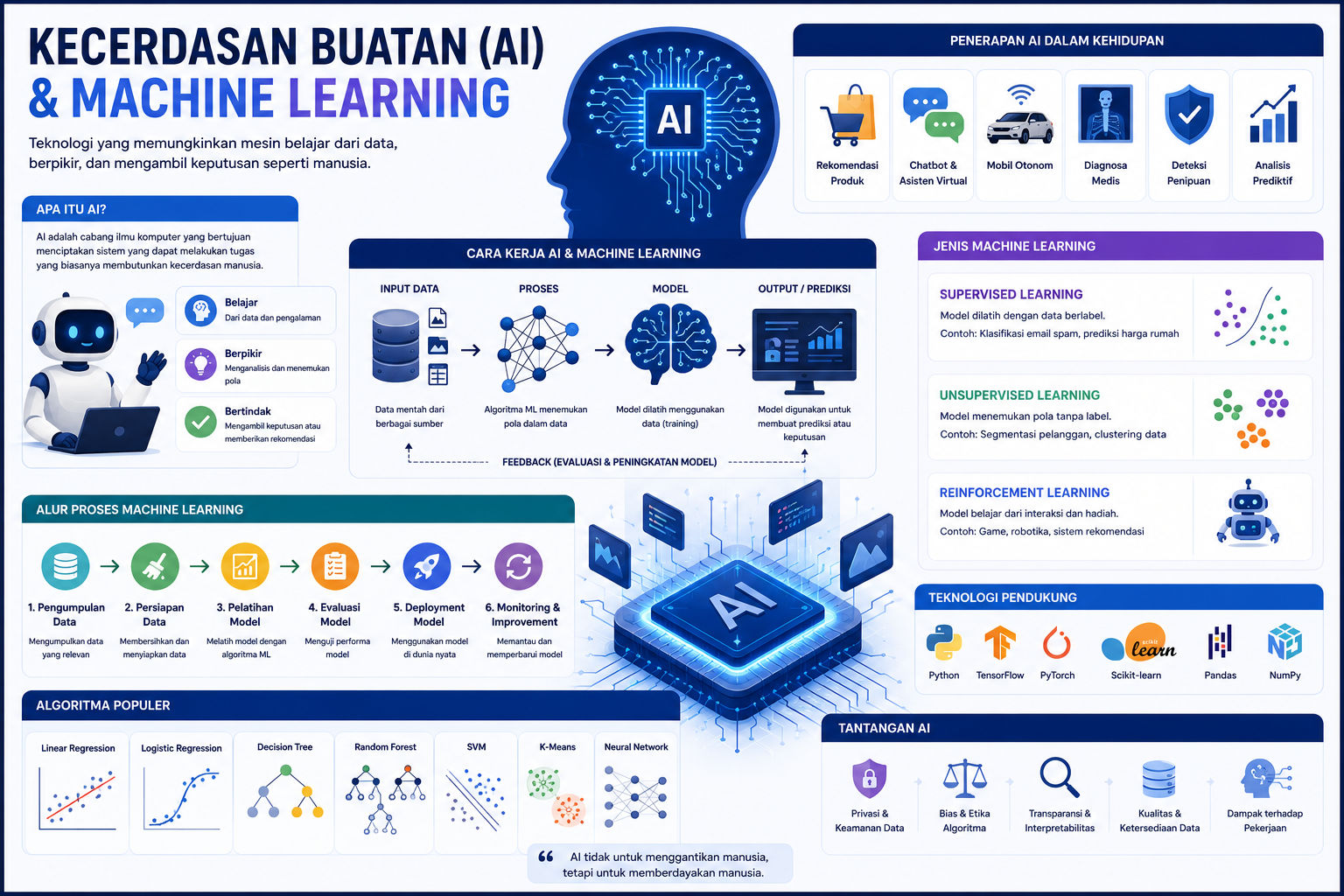
From personalized medicine, where AI analyzes vast genomic data to recommend tailored treatments, to smart cities optimizing traffic flow and energy consumption, AI's applications are virtually limitless. Edge AI, where AI processing occurs on devices rather than in the cloud, is enhancing real-time decision-making in autonomous vehicles, drones, and IoT devices, ensuring greater efficiency and privacy.
Web3: Decentralizing the Digital Frontier
The concept of Web3, encompassing blockchain technology, cryptocurrencies, NFTs, and the Metaverse, represents a significant shift from the centralized internet we know today. It promises a decentralized web where users have greater control over their data, digital assets, and online identities, moving away from large corporations acting as intermediaries.
Blockchain, the foundational technology of Web3, continues to evolve beyond its initial application in cryptocurrencies. Enterprise blockchain solutions are gaining traction for supply chain management, digital identity verification, and secure data sharing, offering unparalleled transparency and immutability. Non-Fungible Tokens (NFTs), while experiencing market fluctuations, are maturing into tools for digital ownership, intellectual property rights, and community building, extending their utility beyond speculative art.
The Metaverse, an immersive digital realm, is still in its nascent stages but holds immense potential. It envisions a persistent, interconnected virtual world where users can interact, work, play, and socialize using avatars. While full realization is years away, advancements in virtual reality (VR) and augmented reality (AR) hardware, coupled with decentralized identity and economic models from blockchain, are laying the groundwork for this next iteration of digital interaction. The intersection of AI and Web3 is particularly exciting, with AI potentially powering intelligent agents within the Metaverse or enhancing the security and functionality of decentralized applications.
Quantum Computing: A Glimpse into the Future of Computation
Often dubbed the next frontier in computing, quantum computing promises to solve problems currently intractable for even the most powerful supercomputers. By leveraging principles of quantum mechanics like superposition and entanglement, quantum computers can process vast amounts of information simultaneously, opening doors to breakthroughs in medicine, materials science, cryptography, and artificial intelligence.
While still largely in the research phase, significant progress is being made. Major tech companies and academic institutions are investing heavily in developing stable qubits (quantum bits) and improving error correction techniques. The current trend sees a race towards "quantum supremacy," where a quantum computer can perform a task that no classical computer can achieve in a practical timeframe. Practical applications are emerging in specialized areas, such as drug discovery, where quantum simulations can model molecular interactions with unprecedented accuracy, and in financial modeling for optimizing complex portfolios.
The long-term impact of quantum computing is profound. It could render current encryption methods obsolete, necessitating new quantum-resistant cryptographic standards. Furthermore, its ability to accelerate AI training and complex data analysis could lead to an exponential leap in AI capabilities, blurring the lines between human and artificial intelligence even further.
Advanced Connectivity: The Nervous System of the Digital World
The proliferation of 5G networks and the advent of satellite internet, alongside the anticipated 6G technology, are creating a hyper-connected world that acts as the nervous system for all other technological advancements. These high-speed, low-latency networks are not just about faster downloads; they are fundamental enablers for the next generation of applications.
5G is powering the Internet of Things (IoT) revolution, enabling billions of devices—from smart home appliances to industrial sensors—to communicate seamlessly. This connectivity facilitates real-time data collection and analysis, which is crucial for applications in smart manufacturing, precision agriculture, and remote healthcare. Satellite internet, spearheaded by projects like Starlink, is bridging the digital divide, bringing high-speed connectivity to remote and underserved areas globally, fostering economic inclusion and access to information.
Looking ahead, 6G promises even greater speeds, lower latency, and enhanced capabilities, including integrated sensing and communication, which could lead to truly pervasive intelligence where the network itself acts as a sensor. This advanced connectivity is vital for the widespread adoption of autonomous systems, sophisticated AR/VR experiences, and the massive data transfers required by quantum computing and advanced AI models, truly embodying the convergence of innovation.
Sustainable Technology and Green Computing
As technology permeates every facet of life, its environmental footprint is becoming an increasingly critical concern. The trend towards sustainable technology and green computing reflects a growing awareness and commitment to reducing the energy consumption and ecological impact of digital infrastructure and hardware.
Innovations in this space include more energy-efficient data centers, leveraging renewable energy sources and advanced cooling techniques. Hardware manufacturers are focusing on designing components with longer lifespans, using recyclable materials, and minimizing hazardous waste. Software optimization also plays a role, with developers creating more efficient code to reduce computational load and energy usage. Furthermore, AI itself is being employed to optimize energy grids, predict resource consumption, and manage waste more effectively.
This trend is not just about reducing harm; it's about integrating sustainability into the core design and operation of technological systems, ensuring that our digital future is also an ecologically responsible one. It represents a paradigm shift where technological progress is measured not only by efficiency and capability but also by its contribution to planetary well-being.
Biotechnology and Health Tech: Redefining Human Potential
The intersection of technology and biology is unleashing unprecedented advancements in healthcare and human augmentation. Biotechnology, propelled by AI and advanced computing, is moving at an incredible pace, offering solutions to some of humanity's most persistent challenges.
CRISPR gene-editing technology continues to refine its precision, opening doors for treating genetic diseases, developing disease-resistant crops, and even exploring human enhancement. Personalized medicine, driven by genomic sequencing and AI analytics, allows for treatments tailored to an individual's unique genetic makeup and health profile. Wearable health trackers are becoming more sophisticated, monitoring vital signs, detecting early disease markers, and providing real-time health insights, empowering individuals to take a more proactive role in their well-being.
Beyond traditional healthcare, advancements in brain-computer interfaces (BCIs) are showing promise for restoring sensory and motor functions to individuals with disabilities, and in the distant future, could potentially augment human cognition. Robotics in surgery and rehabilitation, coupled with AI-driven diagnostics, are making medical procedures safer, more precise, and accessible. This convergence of biotech and computing promises a future where health is more personalized, preventative, and globally accessible.
The Human-Technology Interface: Beyond Screens
Our interaction with technology is evolving beyond traditional screens and keyboards. The current trend focuses on creating more natural, intuitive, and immersive interfaces that seamlessly integrate into our daily lives.
Augmented Reality (AR) and Virtual Reality (VR), while still niche, are seeing significant advancements in hardware and software. AR overlays digital information onto the real world, enhancing everything from retail experiences to industrial maintenance. VR transports users to entirely virtual environments for gaming, training, and remote collaboration. These technologies are poised to become the next major computing platform, moving us towards a more spatial internet.
Natural Language Processing (NLP) continues to refine voice assistants and translation tools, making human-computer communication more fluid. Haptic feedback systems are adding a sense of touch to digital interactions, and brain-computer interfaces (BCIs), as mentioned earlier, represent the ultimate frontier in direct human-machine communication, potentially allowing us to control devices with our thoughts. This evolution of the interface aims to make technology less of a tool we operate and more of an extension of ourselves.
Navigating the Challenges and Ethical Crossroads
While the potential of these technological trends is immense, they also present significant challenges and ethical dilemmas. Data privacy, cybersecurity threats, and the potential for misuse of powerful AI systems remain paramount concerns. The digital divide could widen if access to these advanced technologies is not equitable. Furthermore, the economic implications, particularly concerning job displacement due to automation and AI, require careful consideration and proactive policy-making.
Ethical AI frameworks, robust cybersecurity measures, and inclusive digital policies are crucial for harnessing these innovations responsibly. The ongoing dialogue between technologists, policymakers, ethicists, and the public is vital to ensure that the future of technology serves humanity's best interests, promoting a world that is not only technologically advanced but also just, equitable, and sustainable.
Conclusion: The Interwoven Future
The current landscape of technology is characterized not by isolated breakthroughs but by a profound interconnectedness. AI fuels advancements in biotech and cybersecurity; advanced connectivity enables the IoT and the Metaverse; quantum computing promises to revolutionize computation across all fields. This intricate web of innovation suggests that the true power of future technology lies in its convergence, where each component amplifies the capabilities of the others, creating possibilities previously unimaginable.
As we stand at the precipice of this transformative era, understanding these trends and their intricate relationships is paramount. It allows us to not only anticipate the future but to actively participate in shaping it, ensuring that the relentless march of progress aligns with our collective values and aspirations for a better, more interconnected world. The journey into this dynamic technological future is both exhilarating and complex, demanding continuous learning, adaptability, and a thoughtful approach to innovation.