WordPress Plugin Development: Merging Chinese Cultural Insights with Technical Excellence
Introduction to WordPress Plugin Development in the Chinese Context
WordPress powers over 40% of websites globally, yet its adoption in China faces unique challenges due to regulatory restrictions. This article explores how WordPress plugin developers can bridge technical innovation with Chinese cultural nuances to create solutions tailored for this vast market. By integrating local customs, language preferences, and business practices, developers can address gaps in functionality and user experience.
Cultural Considerations in Plugin Design
Chinese users prioritize seamless integration with local services. For instance, plugins must support WeChat Pay or Alipay for e-commerce platforms, as these payment gateways dominate the region. Additionally, plugins should accommodate Chinese holidays (e.g., Chinese New Year, Mid-Autumn Festival) by enabling dynamic content changes or promotional features. An 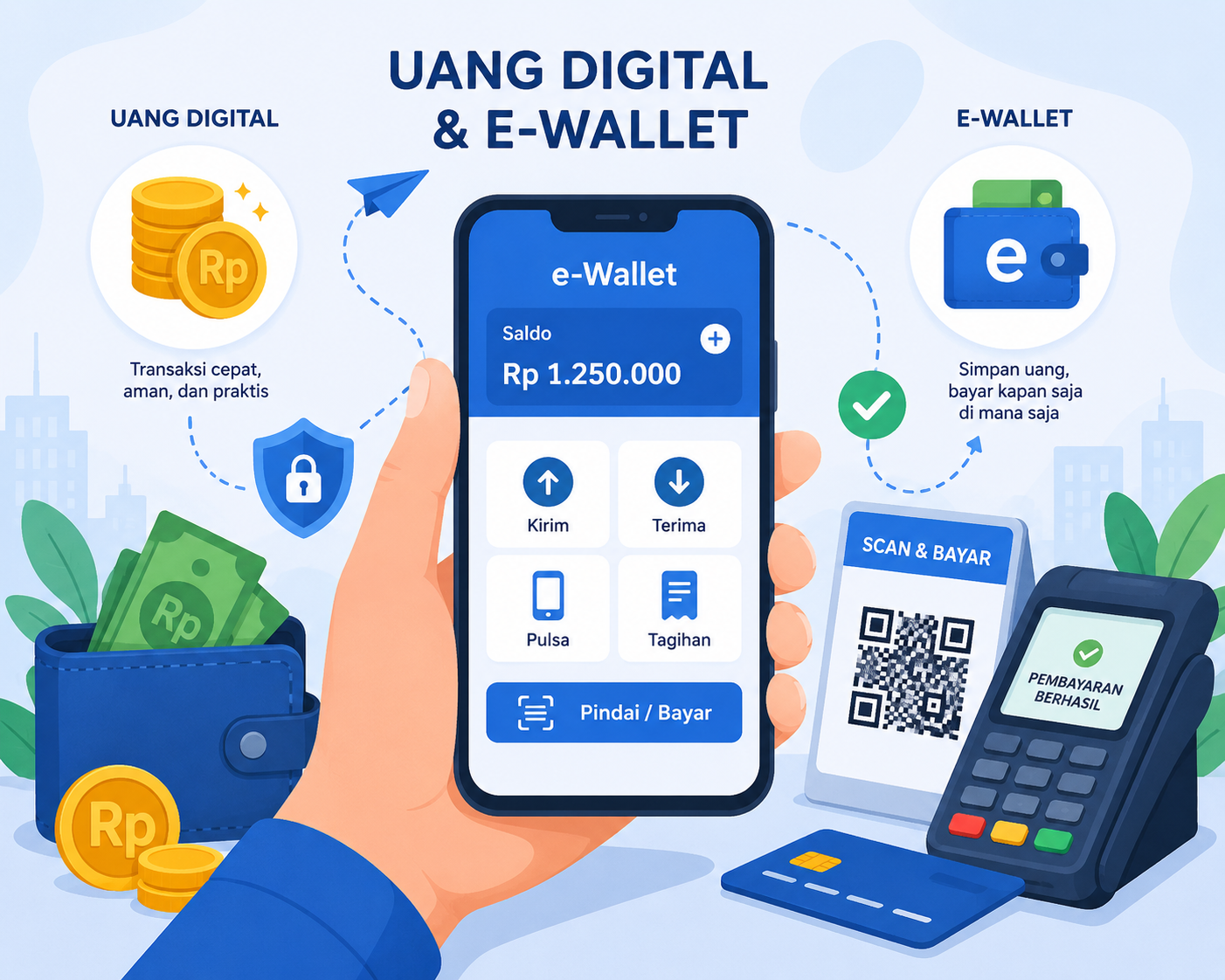
Technical Challenges and Solutions
- Localization (I18n): Beyond translating text, plugins must adapt to Chinese character encoding and regional dialects (e.g., Simplified vs. Traditional Chinese).
- SEO Optimization: Chinese search engines like Baidu require plugins to optimize metadata for local keywords, differing from Google’s algorithms.
- Compliance: Developers must navigate China’s Cyberspace Administration regulations, ensuring data privacy and content moderation align with local laws.
Case Study: Enhancing E-commerce with Localized Plugins
A notable example is the WeChat Connect Plugin, which enables WordPress stores to sync inventory with WeChat Mini Programs. By leveraging Japanese-inspired minimalist design principles (adaptable to Chinese aesthetics), the plugin’s UI reduces cognitive load for users. Technical features include API integrations for real-time stock updates and QR code generators for social sharing, aligning with Chinese consumers’ preference for mobile-first interactions.
Future Trends and Recommendations
As AI and blockchain gain traction in China, plugins must evolve:
- Integrate AI chatbots trained on Chinese customer service datasets.
- Offer blockchain-based verification for anti-counterfeiting in product listings.
- Adopt responsive design frameworks optimized for low-bandwidth networks common in rural China.