WordPress Plugin Development: Mastering the English China Confluence for Global & Local Success
The digital landscape is a tapestry woven with global threads and distinct local patterns. For WordPress plugin developers, understanding and navigating this duality is key to unlocking vast market potential. While WordPress inherently offers a global platform, its true power is realized when tailored to specific cultural and linguistic contexts. Among these, the "English China" dynamic presents a unique and compelling challenge, demanding developers to bridge the universally adopted English standards of WordPress with the distinctive, often isolated, digital ecosystem of mainland China. This article delves into the intricate art of developing WordPress plugins that not only resonate with global English-speaking audiences but also thrive within the specialized requirements and immense opportunities of the Chinese market.
The Dual Imperative: Global Reach Meets Local Nuances
WordPress powers over 40% of all websites globally, a testament to its flexibility and open-source spirit. Its development community largely operates within English as the lingua franca, establishing coding standards, best practices, and a vast ecosystem of plugins and themes. However, the sheer scale of the Chinese internet user base—the largest in the world—means that ignoring its specific demands is akin to overlooking a continent of potential users. The "English China" paradigm therefore mandates a dual focus: maintaining the high quality and interoperability expected from global WordPress plugins while meticulously adapting to Chinese governmental regulations, technological infrastructure, and user preferences.
This isn't merely about translation; it's about a holistic approach to localization (L10n) and internationalization (i18n) that encompasses everything from character encoding and server location to payment gateways and social media integration. Developers must become cultural engineers, ensuring their plugins are not just functional but also culturally relevant and performant within the Great Firewall.
Localization and Internationalization: Beyond Simple Translation
At its core, a robust WordPress plugin designed for "English China" must be built with a solid internationalization framework. This means:
- Gettext & .po/.mo Files: Utilizing WordPress's native Gettext system for translatable strings is non-negotiable. Plugins should clearly define text domains and use functions like `__()`, `_e()`, and `_n()` for all user-facing text. This allows for easy translation into Simplified Chinese (zh_CN) and Traditional Chinese (zh_TW), alongside English.
- Character Encoding: While UTF-8 is standard globally, explicit confirmation and handling of character sets are vital to prevent garbled text, especially when dealing with complex Chinese characters in databases or external APIs.
- Date, Time, and Currency Formats: Different regions have varying conventions. Plugins should dynamically adapt these formats based on the user's locale setting, ensuring a natural experience for Chinese users.
- Cultural Context: Beyond direct translation, understanding cultural nuances in user interface elements, error messages, and even imagery can significantly impact user acceptance. What works well in an English-speaking market might be confusing or even inappropriate in China.
Navigating the Chinese Digital Ecosystem: The Great Firewall and Beyond
The unique regulatory and technological landscape of China presents the most significant hurdles and opportunities:
Connectivity & Performance
- The Great Firewall (GFW): Plugins must be designed to function reliably behind the GFW. This often means avoiding reliance on external services (like Google Fonts, Google Analytics, or CDNs like Cloudflare) that are frequently blocked or slow in China. Self-hosting assets or using Chinese CDNs (e.g., Alibaba Cloud CDN, Tencent Cloud CDN) is often a necessity.
- Server Location: Hosting WordPress sites on servers physically located within mainland China (with an ICP license) dramatically improves loading speeds and reliability for local users, which is crucial for SEO and user experience.
Search Engine Optimization (SEO) for Baidu
While Google dominates in most parts of the world, Baidu is the undisputed leader in China. Developing a plugin for the Chinese market requires understanding Baidu's unique algorithms:
- Baidu Webmaster Tools Integration: Plugins can offer features to easily integrate with Baidu's equivalent of Google Search Console, submitting sitemaps, monitoring indexing status, and managing security.
- Content Optimization: Baidu favors localized content, high-quality Chinese text, and often prioritizes websites hosted within China. Plugins can assist with structured data compatible with Baidu and character-specific meta descriptions.
- Link Building: While relevant for Baidu, the type and source of backlinks can differ, emphasizing local Chinese sites.
For more insights into tailoring WordPress for the specific needs of the Chinese market, consider delving into how WordPress Plugin Development: Bridging Global Innovation with Chinese Market Needs can guide your strategy.
Social Media & Integration
WeChat and Weibo are not just social networks; they are integral parts of the Chinese digital identity. WordPress plugins can offer seamless integration:
- WeChat Integration: Plugins can enable login with WeChat, share content directly to WeChat moments, integrate WeChat Official Accounts, or even facilitate e-commerce via WeChat Pay.
- Weibo Integration: Similar to WeChat, plugins can provide Weibo sharing buttons, social login, and content synchronization.
- QQ: For younger demographics, QQ remains relevant, offering opportunities for chat and community integration.
Payment Gateways and E-commerce Dominance
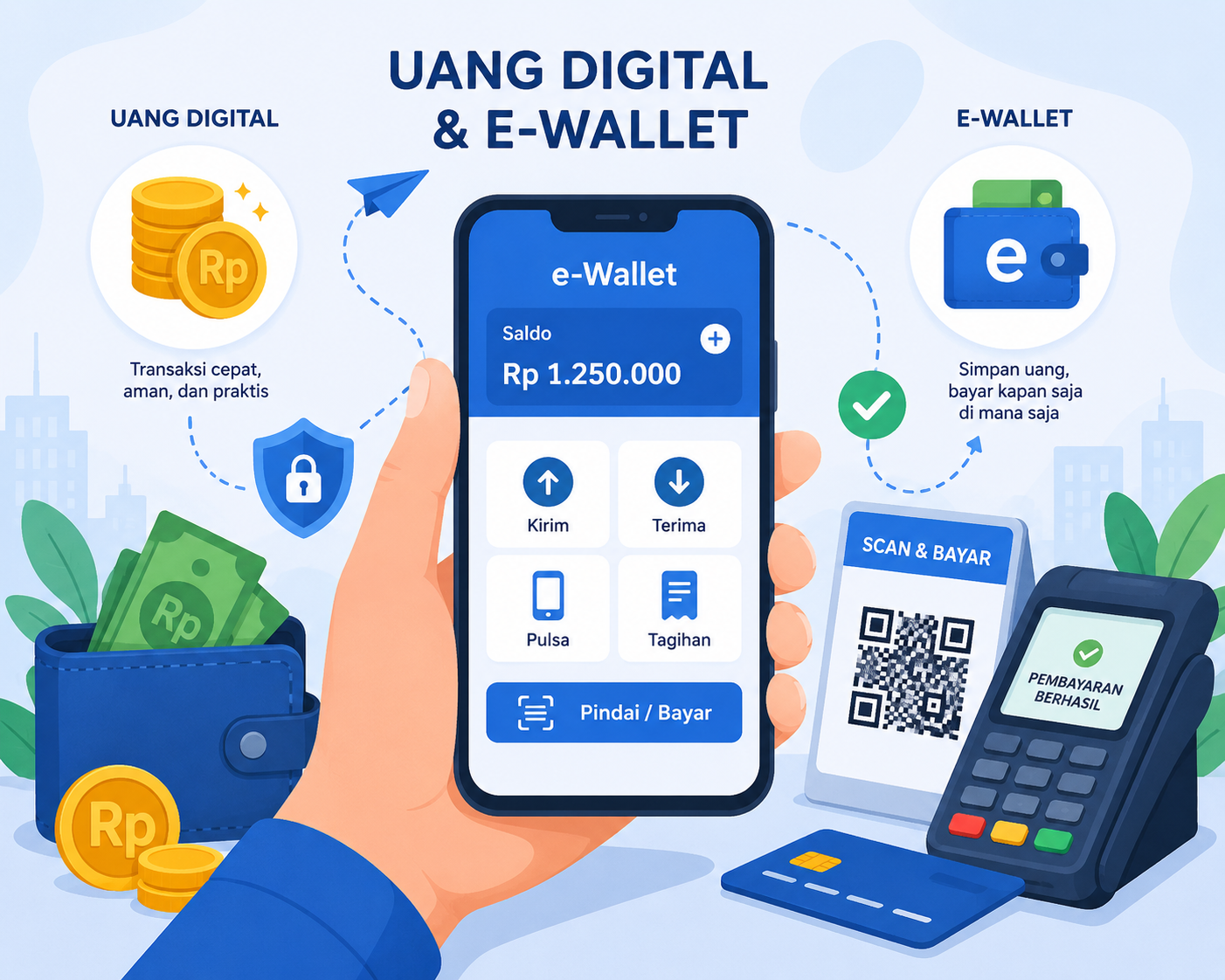
The digital payment landscape in China is dominated by mobile-first solutions, primarily Alipay and WeChat Pay. Any e-commerce or donation plugin targeting the Chinese market MUST integrate these options securely and efficiently.
- Alipay & WeChat Pay Integration: Developing payment gateway extensions for WooCommerce or custom solutions that correctly handle these payment methods, including QR code generation and secure transaction processing, is paramount.
- Cross-border E-commerce: Plugins can facilitate cross-border transactions, managing currency conversion, logistics, and customs declarations where applicable.
User Experience (UX) Tailored for Chinese Audiences
UX is universally important, but its manifestations can differ. Chinese users often prefer rich, information-dense interfaces and a strong mobile-first experience:
- Design Aesthetics: Chinese web design often embraces vibrant colors and more elements on a single screen compared to minimalist Western designs. Plugins with configurable UI elements can adapt.
- Mobile-First Strategy: With an overwhelmingly mobile user base, plugins must be fully responsive and optimized for touch interactions on smaller screens. Performance on mobile networks is also critical.
- Font Choices: Selecting appropriate fonts for Chinese characters is crucial for readability and aesthetic appeal, as many global web fonts do not support the full range of Han characters.
Focusing on robust UX optimization and a clear strategy for global market expansion is critical. Developers should review strategies for differentiating WordPress plugin development through UX optimization and global market expansion to stay competitive.
Technical Deep Dive: The Foundation for Success
Beyond the user-facing aspects, robust technical considerations underpin a successful "English China" plugin:
- Performance Optimization: Given potential connectivity challenges, plugins must be highly optimized for speed. This includes efficient database queries, judicious use of AJAX, lazy loading, and robust caching mechanisms.
- API Integrations: When integrating with Chinese services (e.g., mapping APIs like Baidu Maps, cloud storage, AI services), developers must ensure compatibility with their specific API structures and authentication methods.
- Regulatory Compliance: Data privacy and storage regulations in China are stringent. Plugins handling user data must comply with local laws, potentially requiring data storage within China and transparent data handling policies.
- Security: Implementing best security practices, including input validation, output escaping, and nonce verification, is even more critical when operating in a sensitive digital environment.
Future Trends and Opportunities
The "English China" space for WordPress plugin development is not static; it's rapidly evolving:
- AI and Machine Learning: Integrating AI for advanced content translation, intelligent search, personalized recommendations, or even sophisticated anti-spam for Chinese character sets offers a competitive edge.
- Voice Search Optimization: With the rise of voice assistants in China, plugins could facilitate voice search optimization for Chinese language queries.
- Blockchain & Web3: As these technologies mature, specialized plugins for secure data handling, digital asset management, or decentralized applications within the Chinese context could emerge.
Developers who embrace these trends, combining a deep understanding of WordPress architecture with a nuanced appreciation for the Chinese digital ecosystem, are poised to create groundbreaking solutions.
Conclusion
Developing WordPress plugins for the "English China" market is a complex yet highly rewarding endeavor. It demands a sophisticated blend of technical expertise, cultural sensitivity, and strategic foresight. By meticulously addressing localization, navigating the unique Chinese internet environment, integrating local payment and social media platforms, optimizing for Baidu, and prioritizing a mobile-first UX, developers can craft plugins that serve as crucial bridges between the global WordPress community and the vast, dynamic Chinese digital world. The journey requires dedication, but the potential for impact and innovation is immense, making this niche a frontier for the next generation of WordPress developers.