WordPress Plugin Development: Mastering the English China Confluence for Global and Local Triumph
In the vast and interconnected tapestry of the digital world, WordPress stands as a beacon of open-source flexibility, powering over 40% of all websites. Its global dominance is undeniable, fueled by a vibrant ecosystem of themes and plugins. However, navigating the digital landscape isn't uniform across the globe; certain regions present unique opportunities and formidable challenges. Among these, the "English China confluence" represents a fascinating and critical frontier for WordPress plugin developers. This article delves into the intricacies of developing WordPress plugins that not only adhere to global best practices (the 'English' component) but are also meticulously tailored to thrive within China's distinctive digital ecosystem (the 'China' component), paving the way for unparalleled global and local success.
The concept of the 'English China confluence' in WordPress plugin development isn't merely about translation; it's about a strategic dual approach. It means crafting solutions that leverage the robust, open-source principles and vast English-language documentation of WordPress, while simultaneously embedding deep understanding and adaptation for the specific technological, cultural, and regulatory nuances of the Chinese internet.
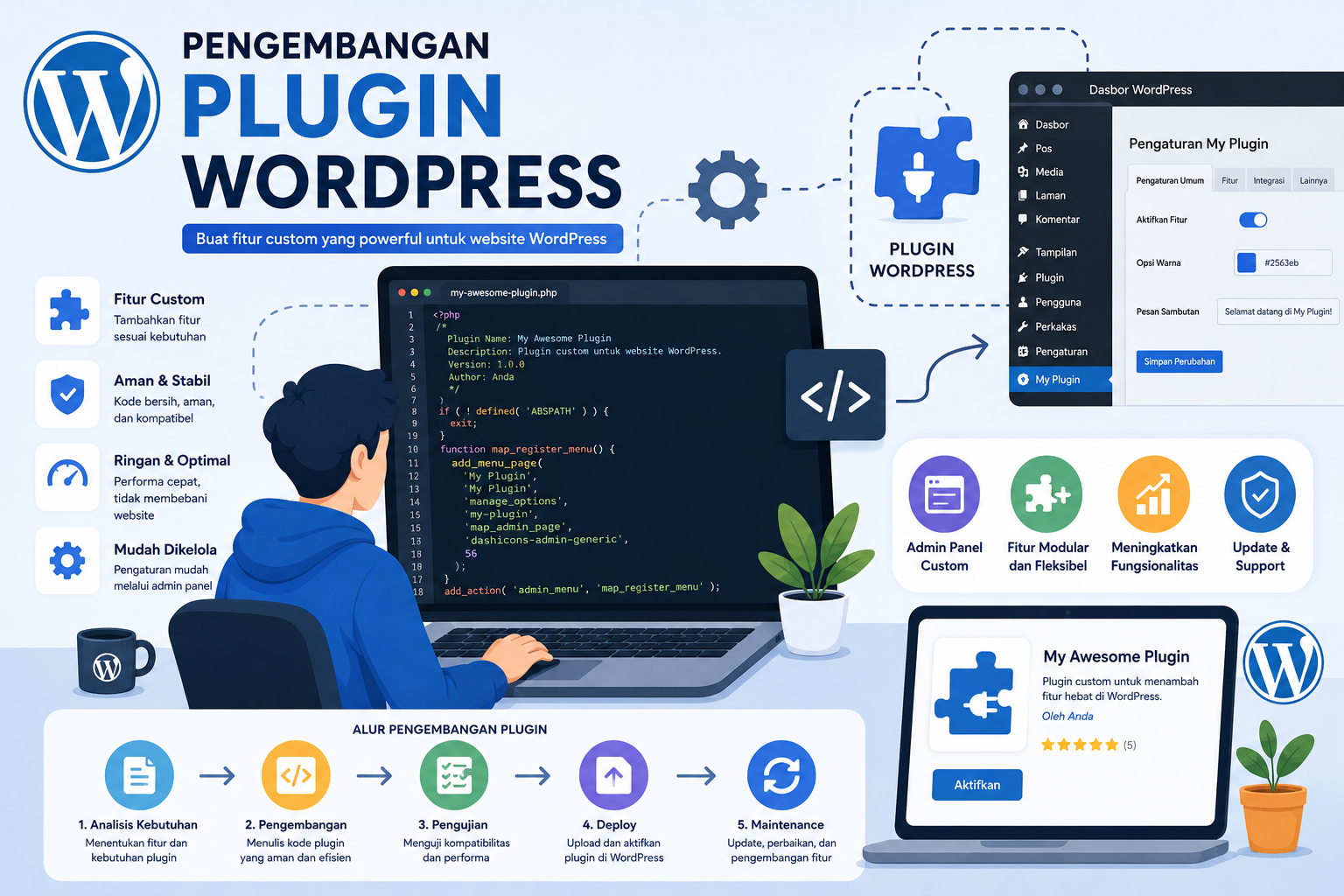
Understanding the 'English' Component: Global Standards and Scalability
The 'English' aspect primarily refers to the foundational principles of WordPress development that have been established and refined by a predominantly English-speaking global community. This encompasses several critical areas:
- Coding Standards and Best Practices: Adhering to WordPress coding standards ensures plugin compatibility, security, maintainability, and future-proofing. This includes clean code, proper documentation, and robust error handling.
- Security First: Global users expect secure plugins. This involves diligent input validation, escaping output, using nonces, and following principles of least privilege to prevent common vulnerabilities like XSS, CSRF, and SQL injection.
- Internationalization (i18n): Developing with translation in mind from day one is crucial for global reach. Using WordPress's built-in internationalization functions allows plugins to be easily translated into any language, including simplified and traditional Chinese, without needing core code changes.
- Performance and Scalability: Global users demand fast-loading websites. Plugins must be optimized for performance, minimizing database queries, efficient asset loading, and compatibility with caching solutions. Scalability ensures the plugin performs well for sites ranging from small blogs to large enterprise platforms.
- User Experience (UX) Principles: While cultural nuances exist, fundamental UX principles like intuitive navigation, clear calls to action, and responsive design are universally valued. A global-first design ensures a baseline of usability.
- Compatibility: Ensuring compatibility with the latest WordPress versions, popular themes, and other widely used plugins is essential for broad adoption and user satisfaction.
Embracing these global standards ensures a solid, reliable foundation for any plugin. It means developing a product that can be deployed anywhere and offers a consistent, high-quality experience, ready to be localized.
Deconstructing the 'China' Component: A Unique Digital Ecosystem
China's digital landscape is arguably the most distinct and self-contained in the world. Developers aiming for success here must navigate a series of unique challenges and opportunities:
- The Great Firewall (GFW): This sophisticated system filters and blocks internet traffic, significantly impacting access to global services like Google, Facebook, Instagram, and even many international CDNs. Plugins relying on these services will fail or perform poorly in China.
- Dominance of Local Platforms: Unlike the Western world where Google and Facebook reign, China has its own digital giants:
- WeChat (微信): An omnipresent super-app for messaging, social media, payments, and much more. Integration with WeChat for login, sharing, and payment is almost mandatory for deep engagement.
- Alipay (支付宝): The other dominant mobile payment platform.
- Baidu (百度): China's primary search engine, with its own SEO rules and indexing mechanisms.
- Weibo (微博): A microblogging platform often likened to Twitter.
- Tencent QQ, Douyin (TikTok's Chinese version), Kuaishou, etc.: A plethora of other powerful social and content platforms.
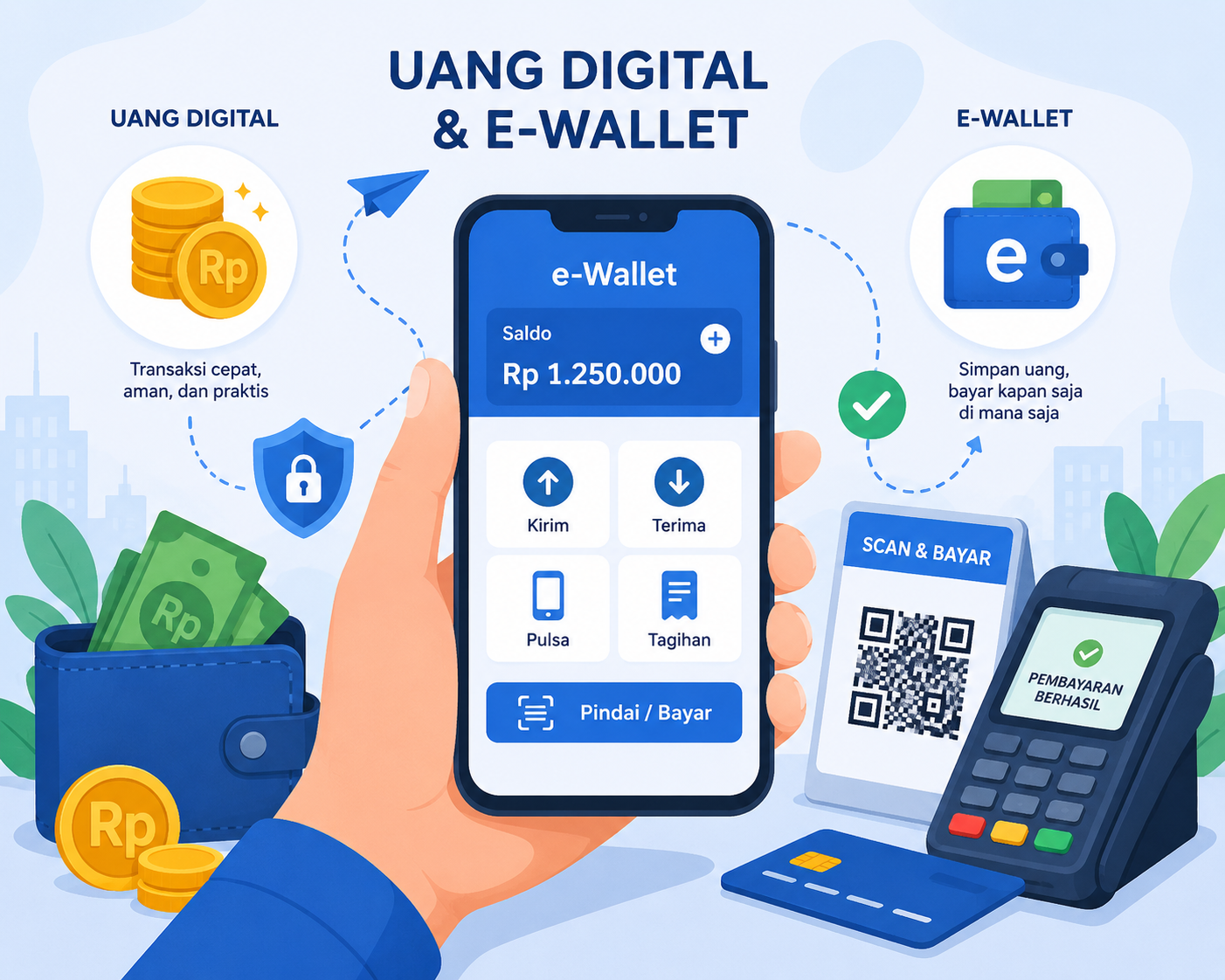
- Payment Gateways: Cash and card payments are rapidly being replaced by mobile payments via WeChat Pay and Alipay. Traditional global payment gateways like Stripe or PayPal have limited penetration.
- Hosting and CDNs: To ensure fast loading times and reliable access, websites targeting Chinese users often require hosting within mainland China (requiring an ICP license) or using CDNs with strong points of presence in China. Global CDNs may be inconsistent or blocked.
- Regulatory Compliance: China has strict regulations concerning data privacy, content censorship, and internet operations. Developers must be aware of laws like the Cybersecurity Law, Personal Information Protection Law (PIPL), and Data Security Law (DSL). Storing user data outside China or transmitting certain types of data across borders can be problematic.
- User Behavior and Preferences: Chinese users often prefer a highly interactive, feature-rich, and mobile-first experience. Social commerce and live streaming are particularly popular.
Ignoring these aspects means a plugin, no matter how robust globally, will likely fail to gain traction or even function correctly within China.
The Confluence in Action: Bridging the Divide with Smart Plugin Development
The true art of mastering the English China confluence lies in developing plugins that intelligently bridge these two worlds. This isn't about compromise, but about strategic adaptation and feature modularity. Here's how:
1. Architectural Flexibility and Conditional Features
Design plugins with a modular architecture that allows for features to be enabled or disabled based on geographic location or specific configuration settings. For example, an e-commerce plugin might offer global payment gateways (Stripe, PayPal) as defaults, but allow for the activation of WeChat Pay and Alipay modules specifically for Chinese users. This approach enables a seamless transition between global and local functionalities.
2. Localized UI/UX and Content Adaptation
- Beyond Translation: While i18n provides the framework for Simplified Chinese translation, true localization involves adapting the user interface, iconography, and content presentation to resonate with Chinese cultural norms and expectations.
- Content Delivery: Implement features that can integrate with local Chinese CDNs (e.g., Alibaba Cloud CDN, Tencent Cloud CDN) for faster asset delivery within China, bypassing potential GFW issues for media and scripts.
3. Seamless Integration with Chinese Digital Ecosystems
This is where the 'China' component truly shines. Developers must build direct integrations for:
- Payment Gateways: Develop robust modules for WeChat Pay and Alipay, handling their specific APIs, security protocols, and transaction flows. This is crucial for any e-commerce or donation-based plugin.
- Social Sharing and Login: Provide options for one-click sharing to WeChat Moments, Weibo, and QQ, alongside traditional platforms. Enable login via WeChat or Weibo accounts.
- Search Engine Optimization: While WordPress handles basic SEO, plugins targeting China should consider integrations or functionalities that assist with Baidu SEO requirements, which differ significantly from Google (e.g., faster indexing, specific meta tags, local content relevance).
- Mapping Services: Integrate with Baidu Maps or Amap instead of Google Maps for location-based services.
4. Performance Optimization for China
Plugins should offer settings or automatic detection to optimize performance for users in China. This might include:
- Asset Hosting: Option to host static assets on a Chinese CDN.
- Font Loading: Avoiding Google Fonts and instead using locally hosted fonts or common web-safe Chinese fonts.
- External Service Calls: Ensuring that any API calls to external services are not blocked by the GFW or providing alternative APIs for Chinese users.
5. Data Privacy and Regulatory Compliance
This is a highly sensitive area. Plugins handling user data must:
- Respect Data Residency: Offer options for data storage within China if required by regulations or client preference, potentially through integration with local cloud services.
- Privacy Policy Alignment: Ensure that data collection and processing methods comply with China's PIPL and DSL, which can be stricter than GDPR in some aspects. This may involve clear consent mechanisms and data anonymization.
- Content Moderation: Be aware that content generated or displayed through the plugin must comply with Chinese censorship regulations.
Strategies for Sustainable Success
To truly master this confluence and ensure Pengembangan Plugin WordPress yang Berkelanjutan, developers should consider:
- Deep Market Research: Before development, invest in understanding the specific pain points, digital habits, and business needs of Chinese users and businesses. What existing solutions do they use, and where are the gaps?
- Local Partnerships: Collaborating with Chinese developers, agencies, or technology partners can provide invaluable insights into the ecosystem, accelerate compliance, and aid in effective localization and distribution.
- Rigorous Testing in China: It is imperative to test plugins extensively from within mainland China to ensure functionality, performance, and accessibility behind the GFW. VPNs do not provide an accurate testing environment.
- Iterative Development and Feedback Loops: The Chinese digital space evolves rapidly. Maintain agile development cycles and incorporate feedback from both global and Chinese users to continuously refine the plugin.
- Staying Informed: Regularly monitor changes in Chinese internet regulations, popular platforms, and user trends.
Developing WordPress plugins for the English China confluence is not merely a technical exercise; it's a strategic endeavor that demands a holistic understanding of global standards and profound local adaptation. By thoughtfully integrating global best practices with specific Chinese digital ecosystem requirements, developers can create powerful, relevant, and highly successful plugins that transcend geographical boundaries and empower businesses and individuals alike. This nuanced approach will not only strengthen global market presence but also significantly contribute to memperkuat ekosistem digital lokal di China.