Transformative Power of Advanced WordPress Plugin Development: Building Scalable, Secure, and AI-Enhanced Solutions for a Globalized Digital Ecosystem
WordPress, powering over 43% of all websites on the internet, owes much of its unparalleled flexibility and power to its extensive ecosystem of plugins. These modular software components extend WordPress's core functionality, enabling users to transform a basic website into virtually anything imaginable—from robust e-commerce stores and intricate learning management systems to powerful membership sites and sophisticated marketing platforms. However, in an increasingly complex and competitive digital landscape, the mere existence of a plugin is no longer sufficient. The demand has shifted towards advanced, highly optimized, secure, and future-proof solutions. This article delves into the transformative power of strategic, advanced WordPress plugin development, focusing on how developers can build solutions that are not only functional but also scalable, secure, and intelligent, leveraging emerging technologies like AI to meet global demands.
The Evolution of Plugin Development: From Utility to Strategic Imperative
In its early days, WordPress plugins primarily served to add simple functionalities: a contact form, basic SEO tweaks, or minor design adjustments. Today, the landscape is dramatically different. Plugins are now critical strategic assets, often forming the backbone of complex digital operations. Businesses rely on them for mission-critical tasks, such as payment processing, customer relationship management integrations, advanced analytics, and sophisticated content delivery. This evolution demands a higher standard of development, moving beyond simple code fixes to comprehensive engineering that considers performance, security, maintainability, and user experience from conception.
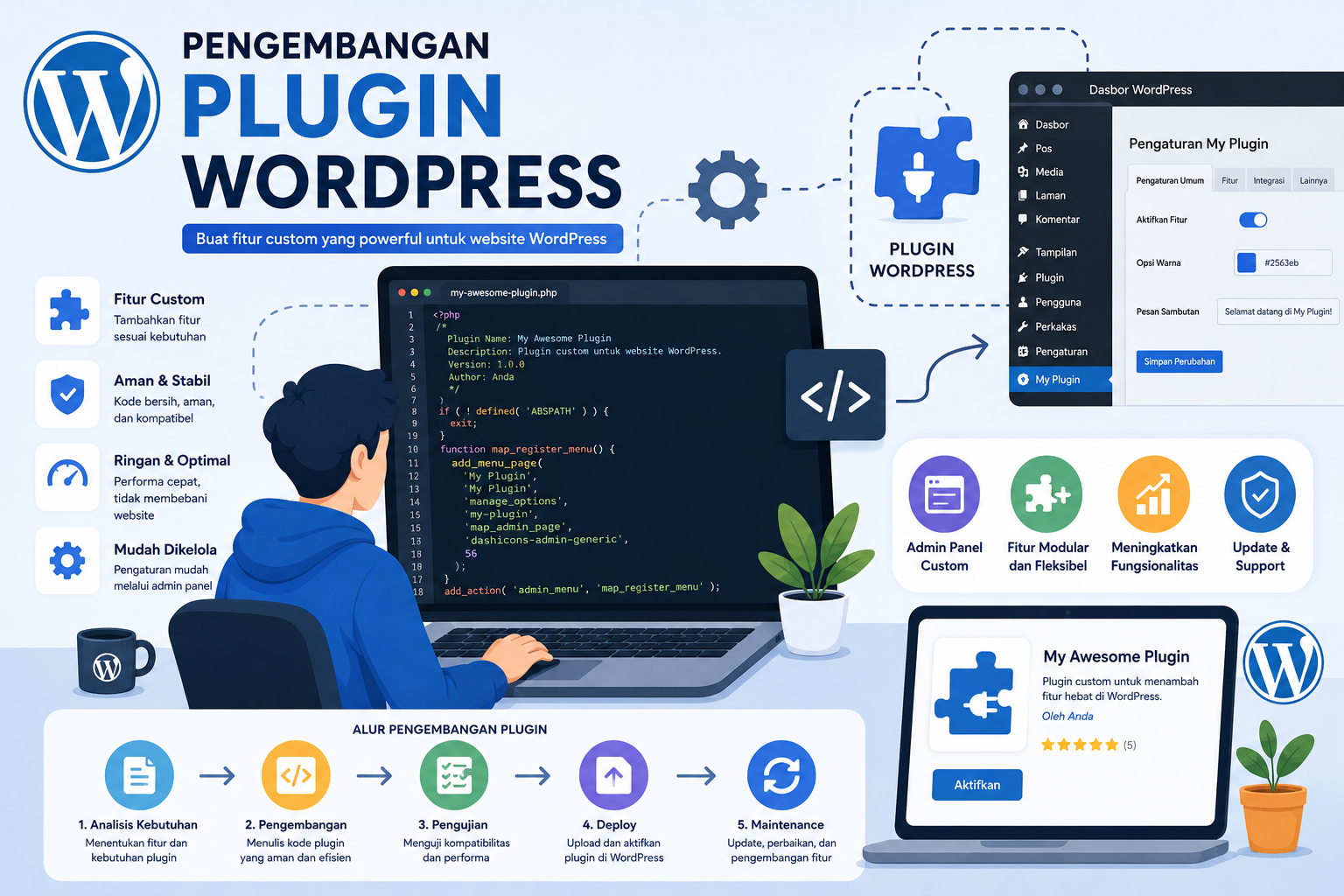
Key Pillars of Advanced Plugin Development
Building an advanced WordPress plugin means adhering to a set of core principles that ensure its robustness and longevity.
Scalability: Designing for Growth
A truly advanced plugin must be built to scale. This means it can handle an increasing amount of data, users, and traffic without degradation in performance. Key considerations include:
- Efficient Database Queries: Optimizing SQL queries, using WordPress's built-in caching mechanisms, and avoiding excessive database calls.
- Code Optimization: Writing clean, performant PHP code; using object-oriented programming (OOP) principles where appropriate; and leveraging WordPress APIs correctly.
- Asynchronous Processing: Utilizing background processes for heavy tasks to prevent front-end slowdowns.
- Modular Architecture: Breaking down functionality into independent, manageable modules that can be scaled or updated individually.
Security: A Non-Negotiable Foundation
Security vulnerabilities in a plugin can expose an entire website to risks, from data breaches to complete site takeovers. Advanced plugin development prioritizes security at every stage:
- Input Validation and Sanitization: Ensuring all user inputs are properly validated and sanitized to prevent SQL injection, XSS attacks, and other common vulnerabilities.
- Output Escaping: Escaping all output to prevent cross-site scripting (XSS) attacks.
- Nonce Verification: Protecting against Cross-Site Request Forgery (CSRF) attacks.
- Role and Capability Checks: Implementing robust access control to ensure users only perform actions they are authorized to do.
- Secure API Integrations: Handling API keys and sensitive data securely, using OAuth or similar protocols.
Performance Optimization: Speed is Paramount
Slow plugins degrade user experience, impact SEO, and can lead to higher bounce rates. Advanced plugins are engineered for speed:
- Lazy Loading: Loading assets only when they are needed.
- Asset Enqueuing: Properly enqueuing scripts and styles to ensure they load efficiently and avoid conflicts.
- Transient Caching: Storing the results of expensive operations temporarily.
- Minification and Compression: Reducing file sizes of CSS, JavaScript, and other assets.
User Experience (UX): Intuitive and Seamless
Even the most powerful plugin will fail if users find it difficult to use. Advanced plugins are designed with a focus on intuitive UX:
- Clean UI: Adhering to WordPress UI guidelines for a consistent look and feel within the admin panel.
- Clear Documentation: Providing comprehensive instructions for setup, usage, and troubleshooting.
- Error Handling and Feedback: Offering clear, helpful messages when something goes wrong.
- Accessibility: Ensuring the plugin is usable by individuals with disabilities.
Integrating Emerging Technologies for Intelligent Solutions
The true "advanced" aspect of modern plugin development lies in its capacity to integrate with and leverage cutting-edge technologies.
AI and Machine Learning: Personalization and Automation
AI is no longer a futuristic concept; it's a present-day tool that can significantly enhance WordPress plugins. AI-powered plugins can:
- Personalize Content: Dynamically recommend content or products based on user behavior.
- Automate Tasks: Schedule posts, moderate comments, or optimize images automatically.
- Enhance SEO: Analyze content for readability, keyword density, and provide suggestions for improvement.
- Improve Customer Support: Integrate chatbots for instant responses or analyze support tickets to identify common issues.
- Content Generation: Assist in drafting outlines, generating snippets, or even full articles based on prompts.
Advanced API Integrations: Connecting the Digital Ecosystem
Modern businesses rely on a multitude of specialized services (CRMs, ERPs, marketing automation platforms, payment gateways). Advanced plugins act as crucial bridges, seamlessly integrating WordPress with these external systems. This requires a deep understanding of API security, error handling, and data synchronization. By creating robust API connectors, plugins can enable real-time data exchange, automate workflows, and centralize operations, transforming WordPress into a central hub for business activities.
Localization and Global Reach: Bridging Global Platforms with Localized Innovation
While WordPress itself is a global platform, its users and their audiences are diverse. An advanced plugin must consider localization to achieve maximum impact. This means not only offering translation readiness (using gettext), but also adapting to local cultural nuances, legal requirements, and payment methods. For instance, a plugin designed for e-commerce might need to support specific regional tax calculations or popular local payment gateways. This approach ensures that a plugin, though built on a global platform, can resonate deeply with specific market needs, fostering widespread adoption and user satisfaction. The strategy of bridging global platforms with localized innovation is crucial for success in diverse markets.
The Development Process: Beyond Code
Creating an advanced plugin involves more than just writing code; it's a comprehensive project lifecycle.
- Discovery and Planning: Thoroughly understanding user needs, market gaps, and defining the plugin's scope and features.
- Design and Architecture: Planning the database schema, class structure, and UI/UX flows to ensure scalability and maintainability.
- Coding and Implementation: Adhering to WordPress coding standards, using best practices, and writing clean, commented code.
- Rigorous Testing: Unit testing, integration testing, and user acceptance testing (UAT) to catch bugs and ensure functionality across different environments.
- Documentation: Providing clear, comprehensive documentation for developers (API reference) and end-users (installation, usage guides).
- Deployment and Maintenance: Releasing updates, providing ongoing support, and patching security vulnerabilities promptly.
Successful plugin developers understand that the journey doesn't end at deployment; continuous improvement and adaptation are key. This is particularly true when targeting specific markets, where understanding and responding to local needs and innovation can be a significant differentiator.
Challenges and Future Trends in Plugin Development
The world of WordPress is constantly evolving, presenting both challenges and opportunities for plugin developers.
- Keeping Pace with Core Updates: WordPress core undergoes regular updates, and plugins must remain compatible to avoid breakage.
- Security Threats: The sophistication of cyber threats continues to grow, requiring constant vigilance and proactive security measures.
- Market Saturation and Competition: The sheer number of existing plugins means new solutions must offer genuinely unique value propositions.
- Rise of Block-Based Editor (Gutenberg): Developers must adapt to the block editor, creating intuitive blocks and ensuring compatibility.
- Headless WordPress: While not for every plugin, some advanced solutions might need to consider supporting headless architectures for ultimate flexibility.
- Sustainability and Monetization: Crafting viable business models (freemium, premium, subscription) that support ongoing development and support.
Conclusion: Empowering the Digital Future with Advanced Plugins
Advanced WordPress plugin development is about more than just adding features; it's about engineering robust, secure, scalable, and intelligent solutions that empower businesses and individuals in a rapidly evolving digital ecosystem. By focusing on strong foundational principles, embracing emerging technologies like AI, and understanding the nuances of global and local market needs, developers can create plugins that truly transform the WordPress experience. These sophisticated tools are not just extensions; they are strategic assets driving innovation, efficiency, and growth, shaping the future of digital presence for millions worldwide. The demand for such expertly crafted solutions will only continue to grow, making this a pivotal area for professional developers and businesses aiming for digital excellence.