The Evolution of WordPress Plugin Development: A Unique Perspective on the Chinese Market
WordPress plugin development has become a cornerstone of modern web innovation, enabling businesses to tailor their online presence with unparalleled flexibility. However, in the Chinese market, this field presents a unique intersection of technological challenges, regulatory compliance, and cultural adaptation. This article explores how WordPress plugin development is evolving to meet the specific needs of Chinese enterprises, emphasizing localization, compliance, and integration with domestic digital ecosystems.
Understanding the Chinese Digital Ecosystem
China’s digital landscape is a microcosm of global trends and local peculiarities. With over 1 billion internet users, the market demands plugins that seamlessly integrate with local services like WeChat, Alipay, and Taobao. Unlike Western platforms, Chinese plugins must navigate stringent data privacy laws, such as the Personal Information Protection Law (PIPL), which mandates strict user data handling protocols. Developers must also address language localization, ensuring that interfaces adapt to Simplified Chinese while preserving user experience (UX) standards.
For instance, e-commerce plugins tailored for Chinese markets often include built-in Taobao API integrations, enabling cross-platform order synchronization. These adaptations highlight the necessity of plugins that are not only technically robust but also culturally attuned to consumer behaviors.
Technical Challenges and Innovations
Developing WordPress plugins for China introduces technical hurdles that differ from other regions. One significant challenge is circumventing the Great Firewall, which blocks access to external services like Google Fonts or international payment gateways. Developers often employ proxy servers or local caching solutions to ensure plugin functionality without violating regulatory frameworks.
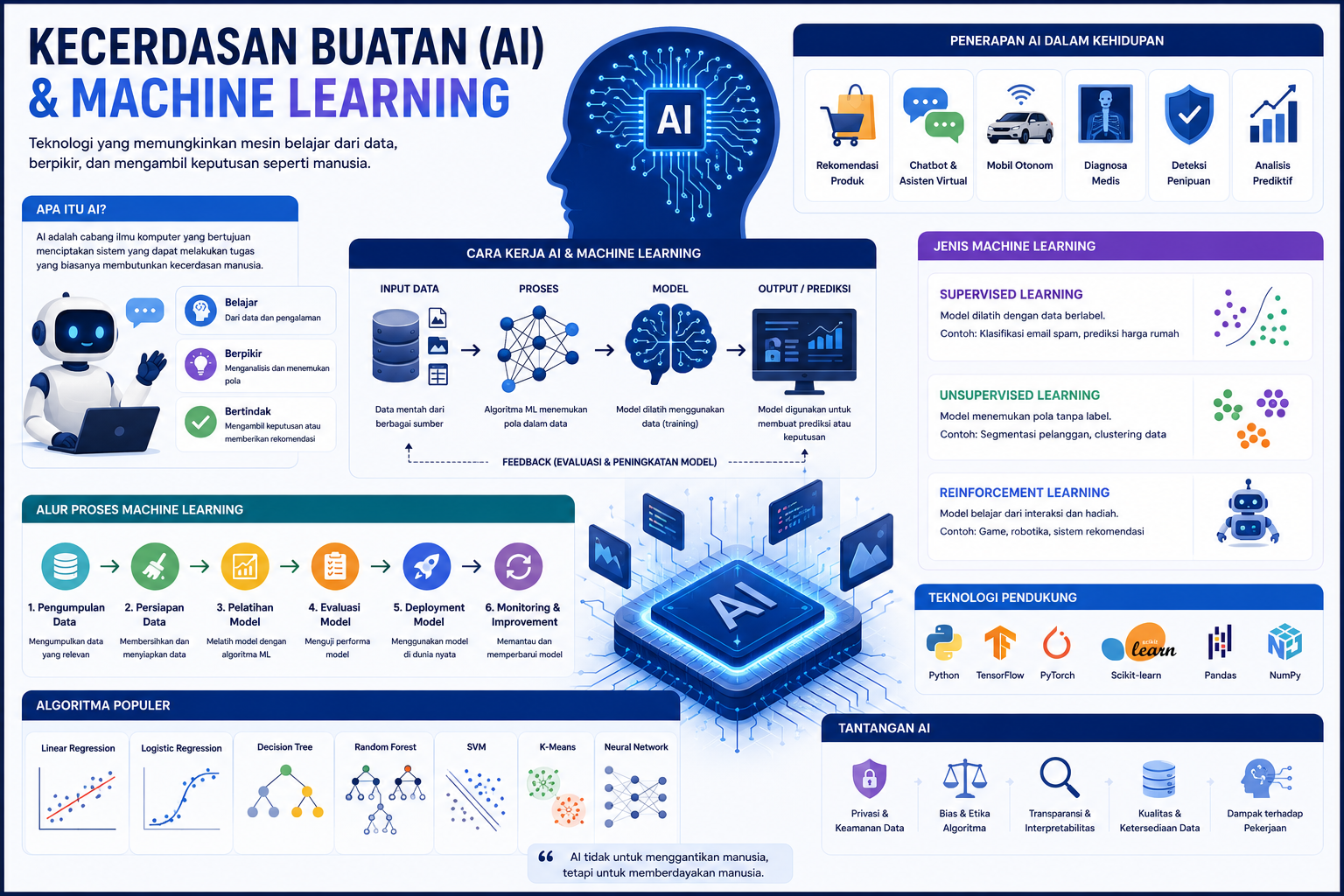
Another innovation lies in the use of artificial intelligence (AI) to automate compliance checks. Tools like AI-driven security plugins analyze content for sensitive keywords, a critical feature for businesses operating under China’s strict censorship policies. These plugins act as a safeguard, reducing the risk of content rejections or site shutdowns.
Case Study: E-commerce Plugins for Chinese SMEs
Small and medium enterprises (SMEs) in China increasingly rely on WordPress plugins to compete with giants like Alibaba. A notable example is the WeChat Mini Program Plugin, which allows WordPress sites to embed interactive mini-programs directly into their blogs or product pages. This integration bridges the gap between traditional e-commerce platforms and mobile-first Chinese consumers, who prefer lightweight, app-like experiences.
Developers also prioritize performance optimization, leveraging technologies like CDN (Content Delivery Network) to minimize latency for users accessing sites via China’s telecommunications networks. These optimizations are critical for maintaining SEO rankings and user retention in a market where page load times directly impact conversion rates.
Future Trends: AI and Security-First Development
The future of WordPress plugin development in China hinges on AI integration and security-first approaches. Plugins are increasingly adopting machine learning algorithms to predict user behavior, personalize content, and automate customer support. For example, chatbot plugins now use natural language processing (NLP) trained on Mandarin datasets to provide localized customer service, reducing reliance on human agents.
Furthermore, security remains a top priority. Plugins are being designed with zero-trust architectures, ensuring that every data transaction complies with China’s cybersecurity regulations. This includes real-time encryption and decentralized storage solutions to protect user data from breaches—a feature particularly valued by financial institutions and healthcare providers.
Conclusion
WordPress plugin development in China is not just about coding; it’s about creating solutions that align with a complex regulatory framework, cultural preferences, and technological constraints. By prioritizing localization, compliance, and AI-driven innovations, developers can unlock new opportunities for businesses in this lucrative market. As the digital landscape evolves, the ability to adapt WordPress plugins to China’s unique demands will determine the success of global and local enterprises alike.
For further insights into the technical and cultural challenges of plugin development, explore our in-depth analysis of technological integration in diverse markets.